"Building like new is easy. Building like old however takes skill, artistry, and pride." -Unknown
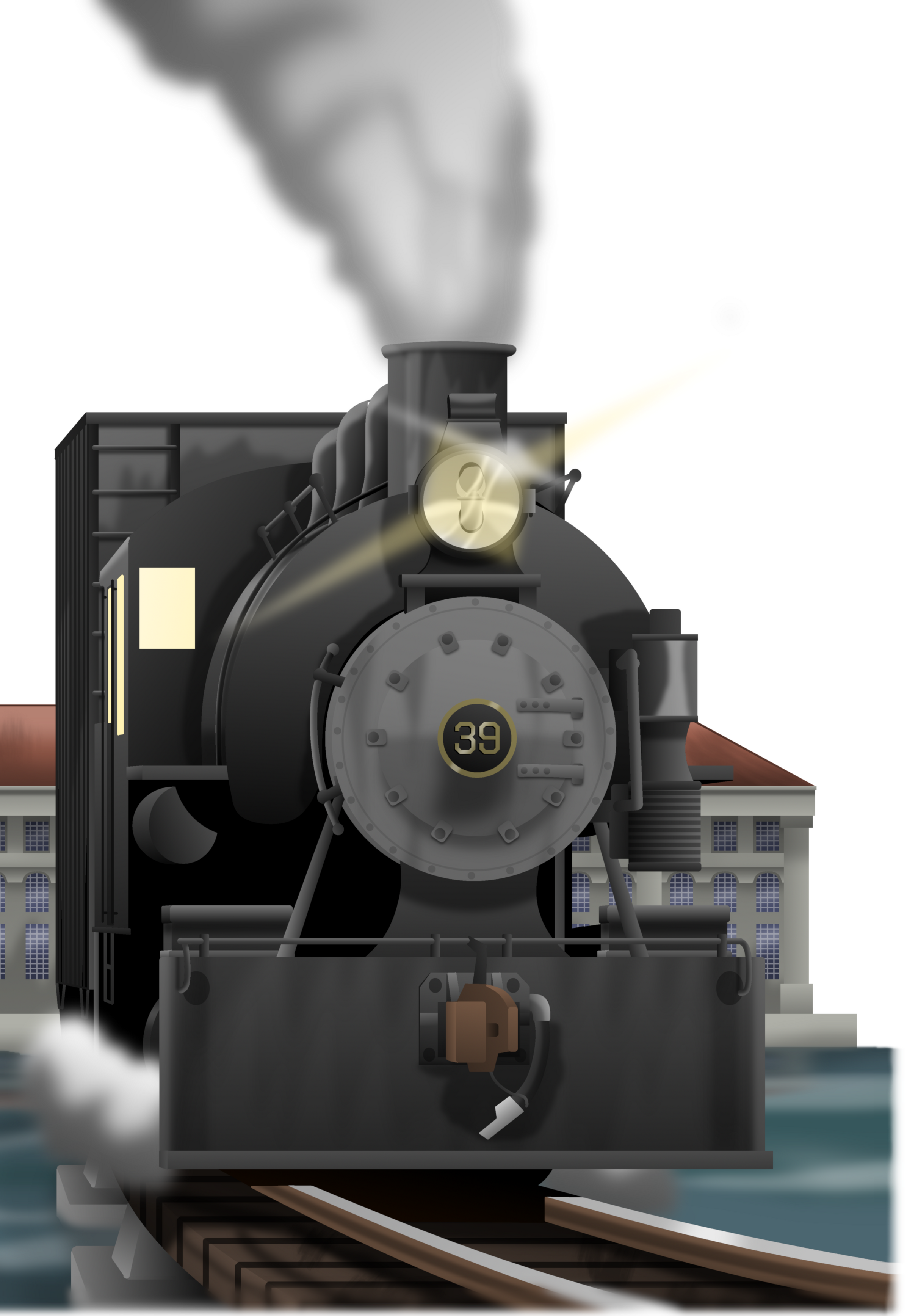
our mission
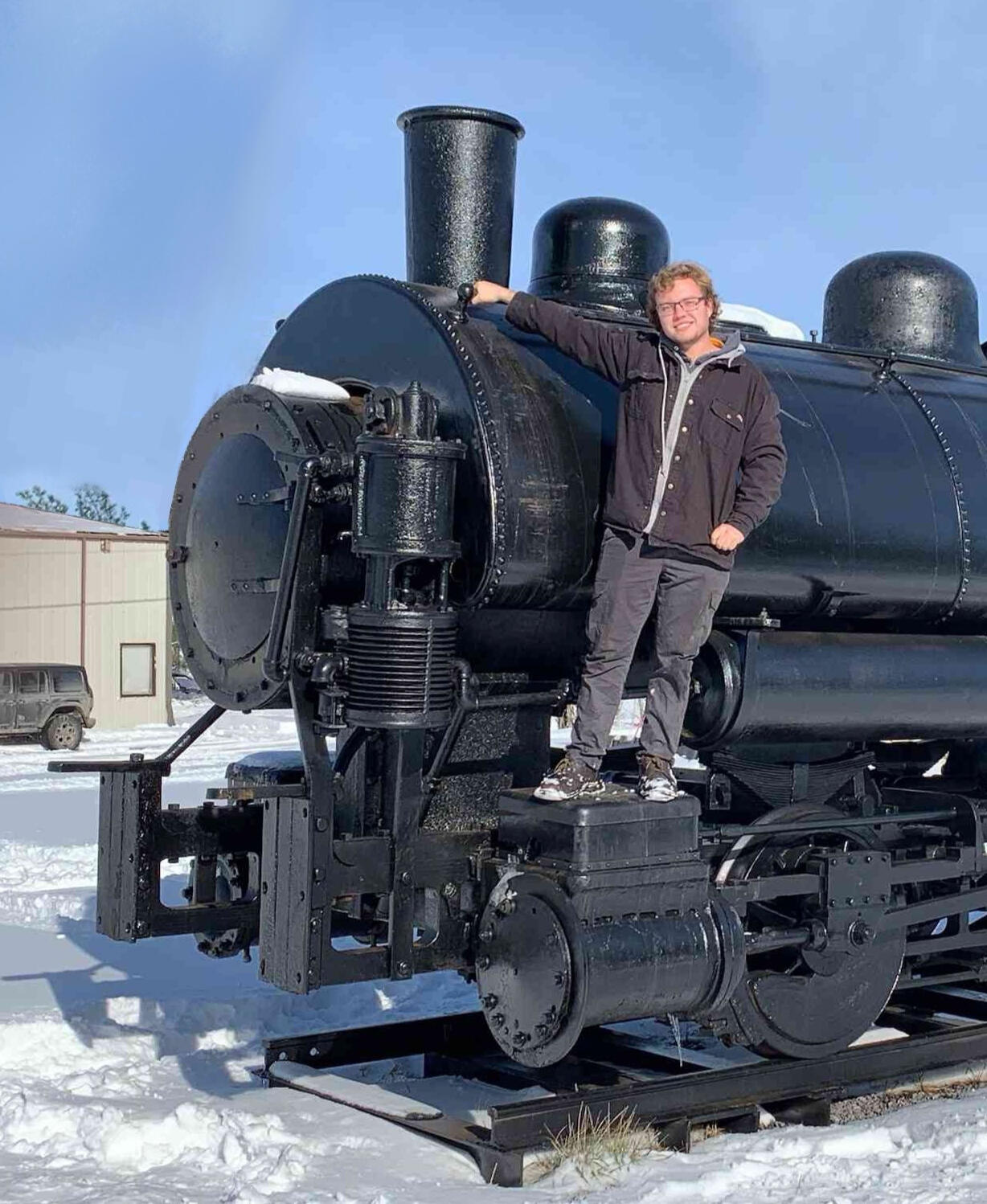
is to restore a part of America's industrial heritage and to use this locomotive as an educational tool to share with those with a similar passion for rail history."T.J. Forshner no. 39"
will be restored to operational status and be used as a traveling engine to various tourist railroads and events.
Want to support us?
send a donation
or explore our merch shop!
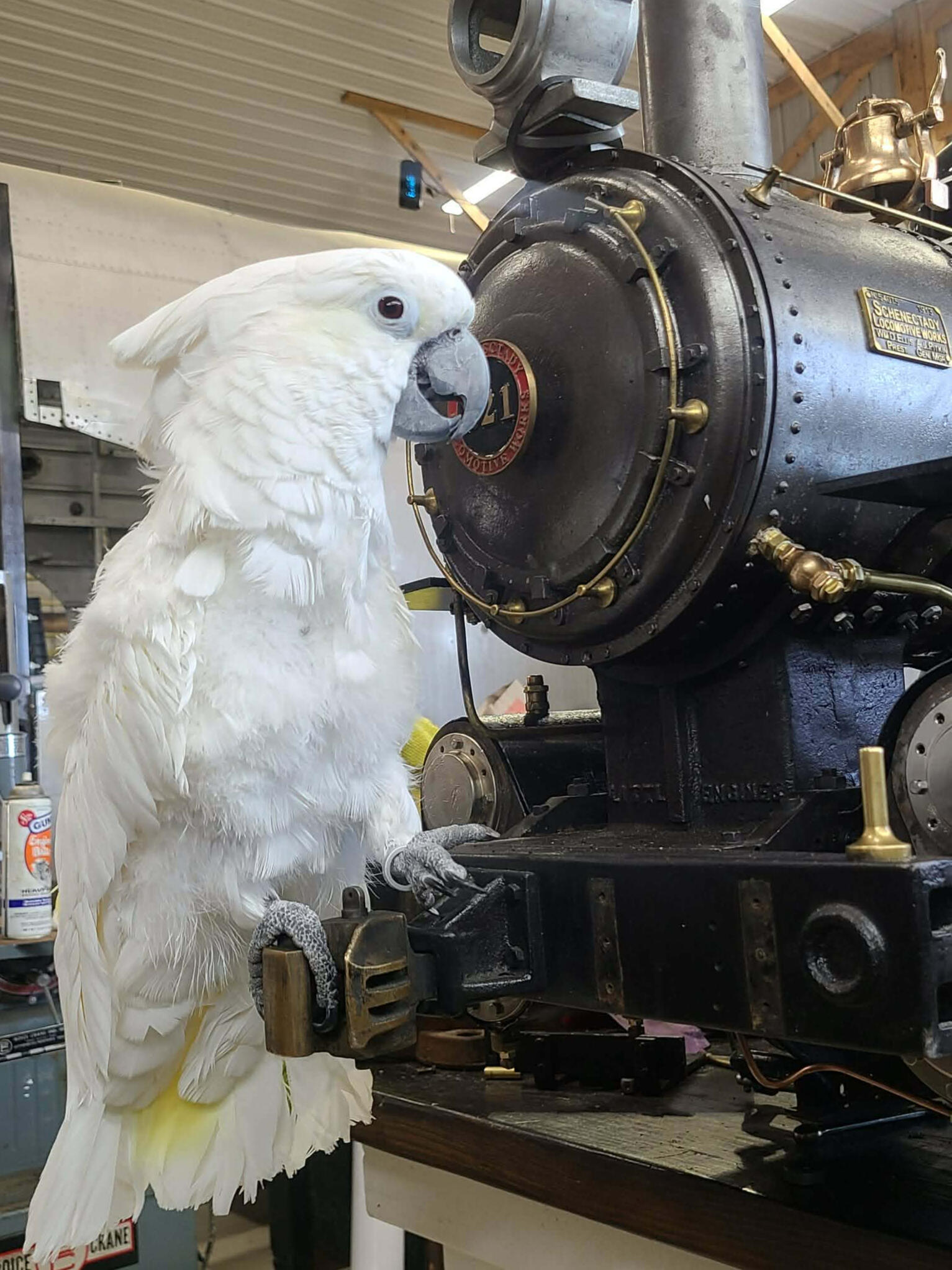
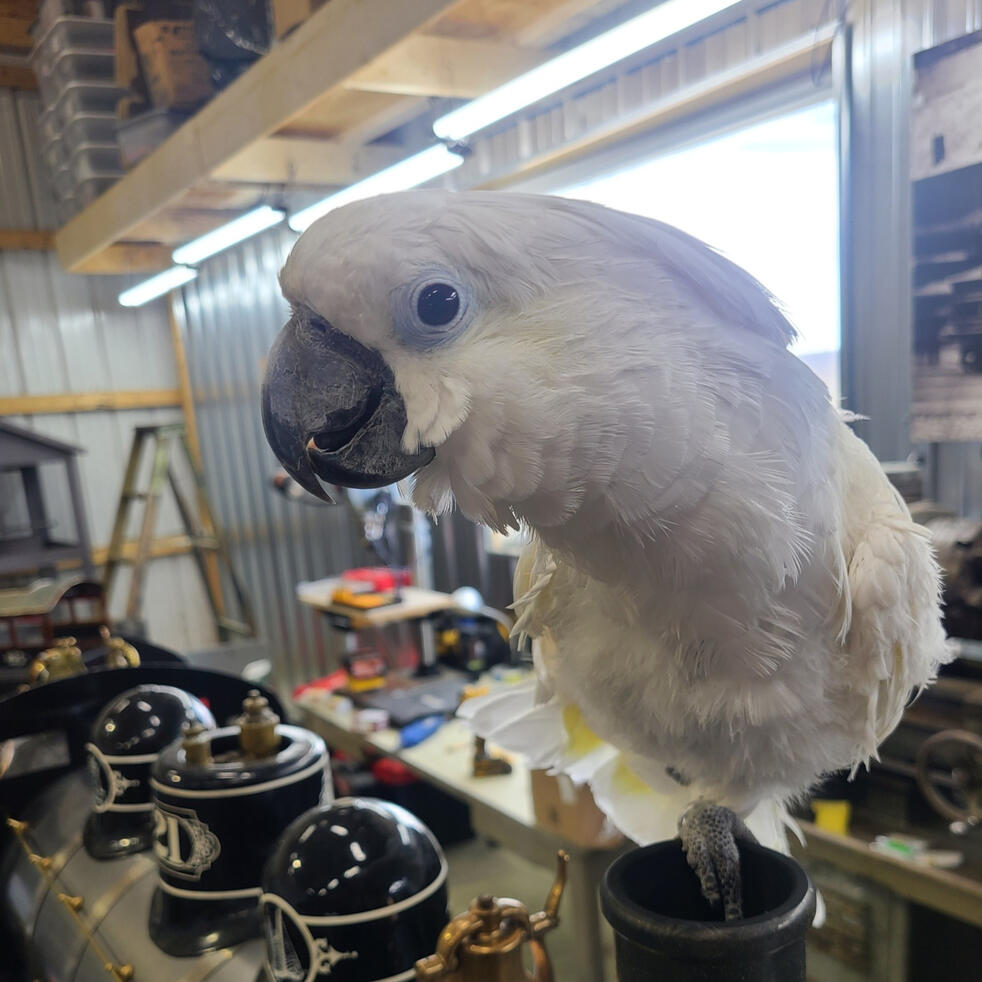
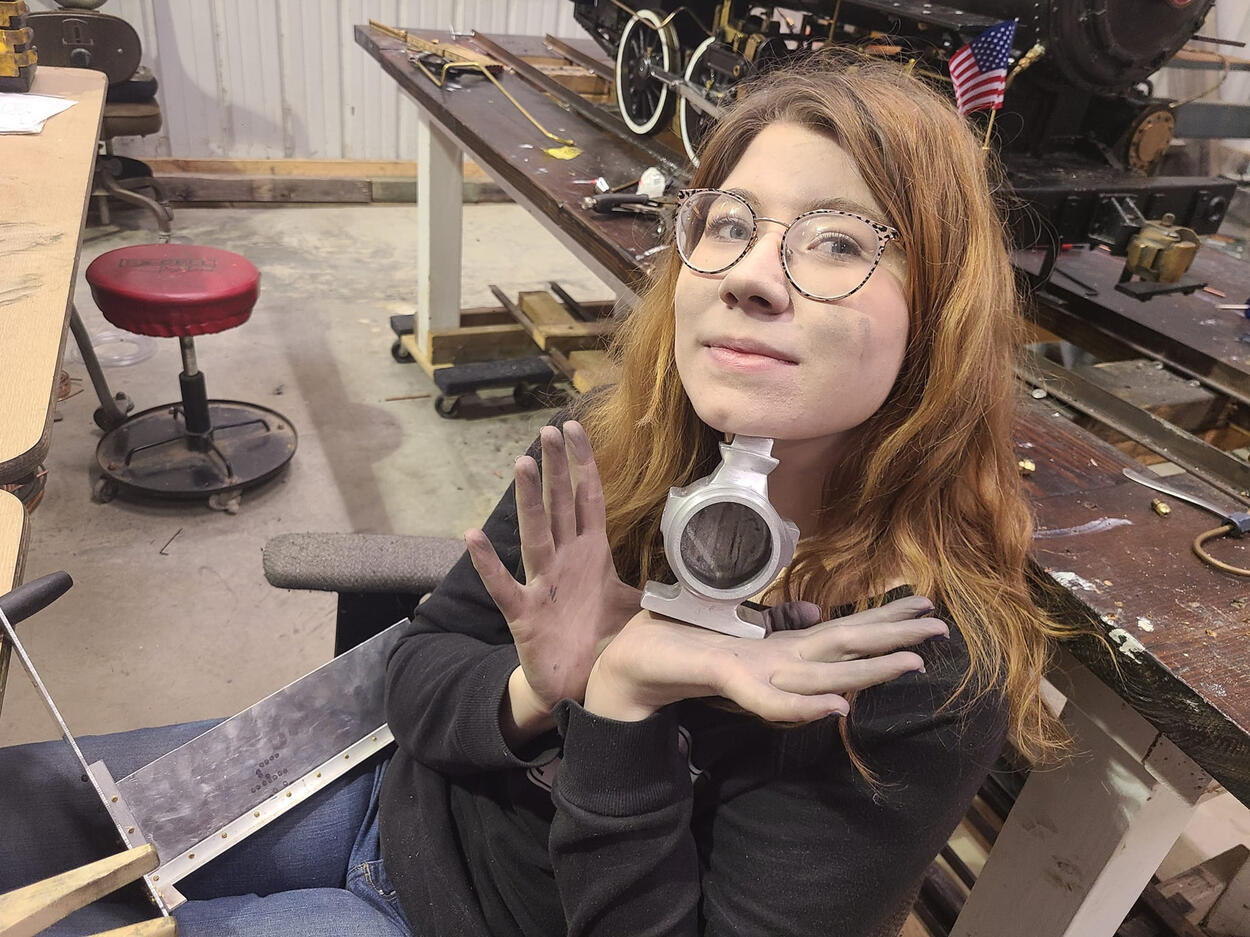
< shop manager, Nadia
F.A.Q.
got a question?
Recent Updates
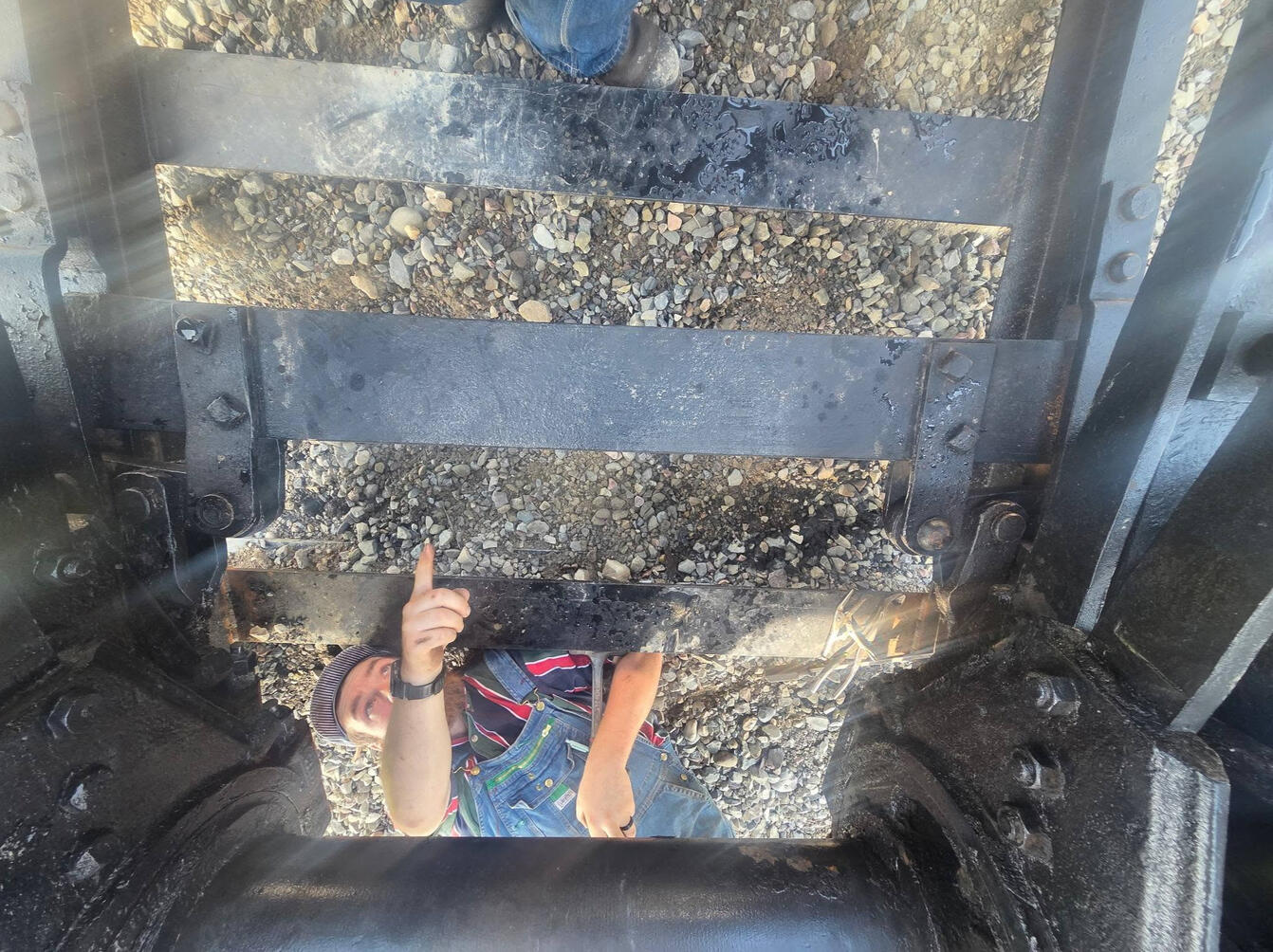
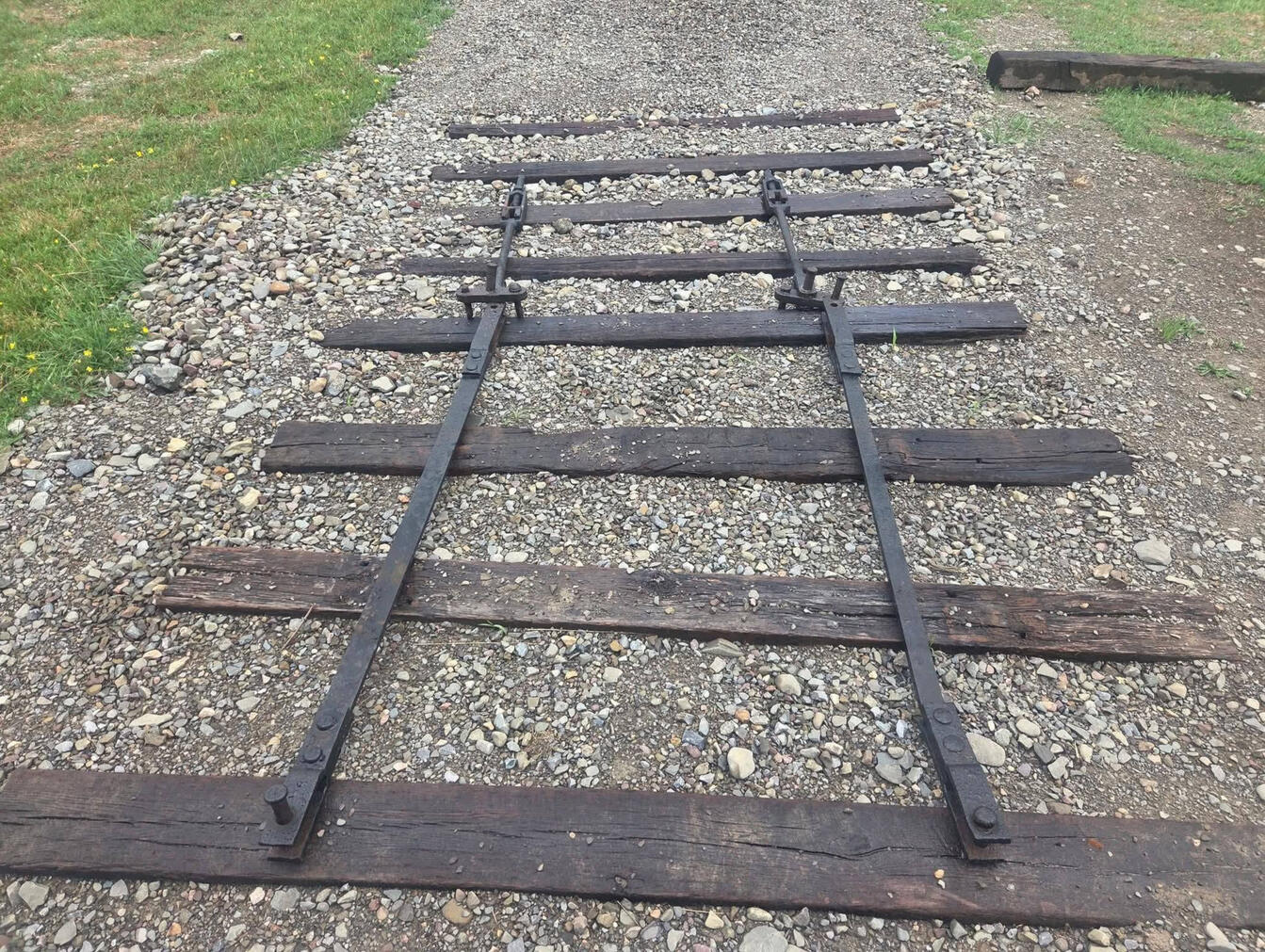
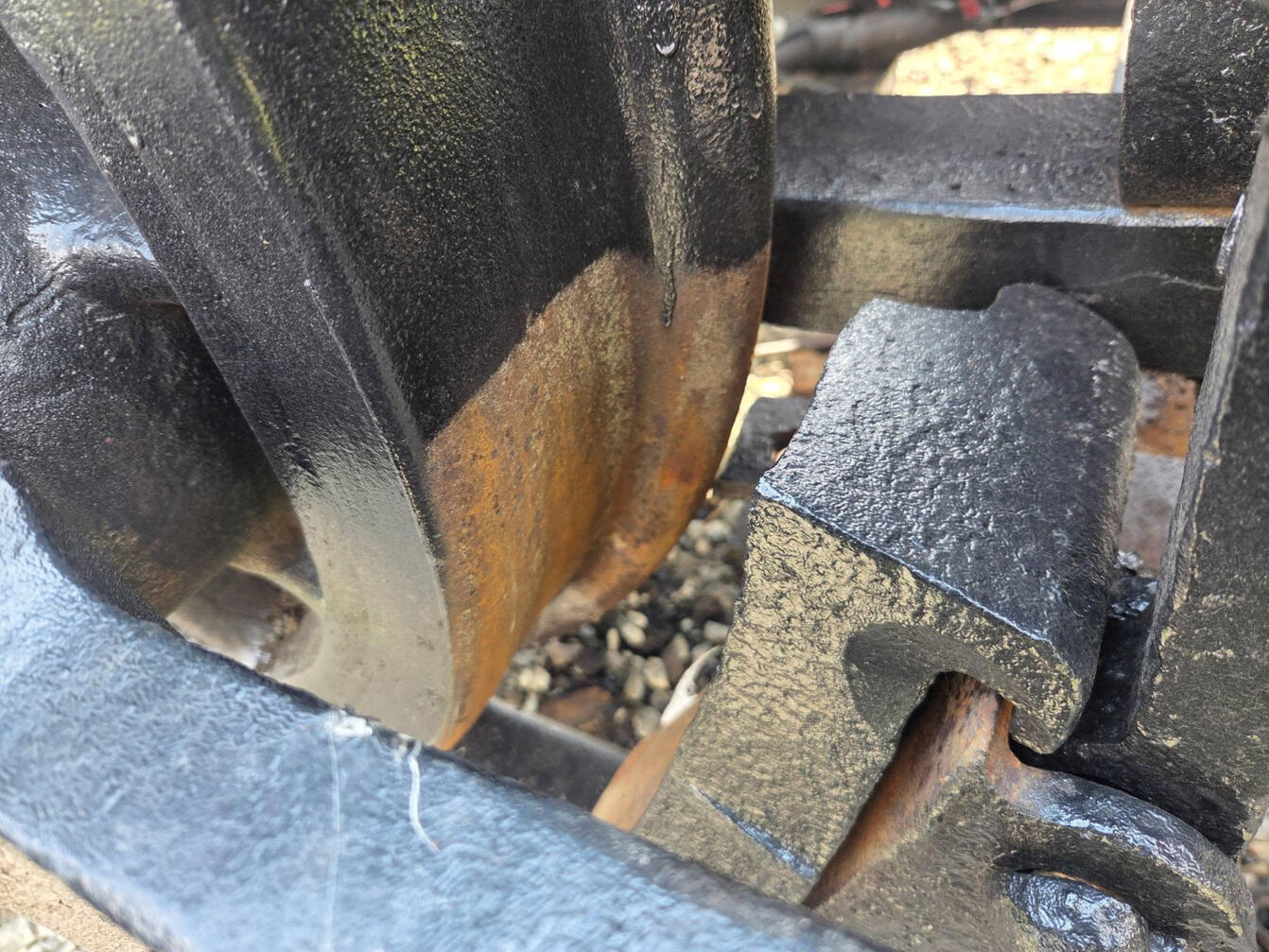
break rigging removed
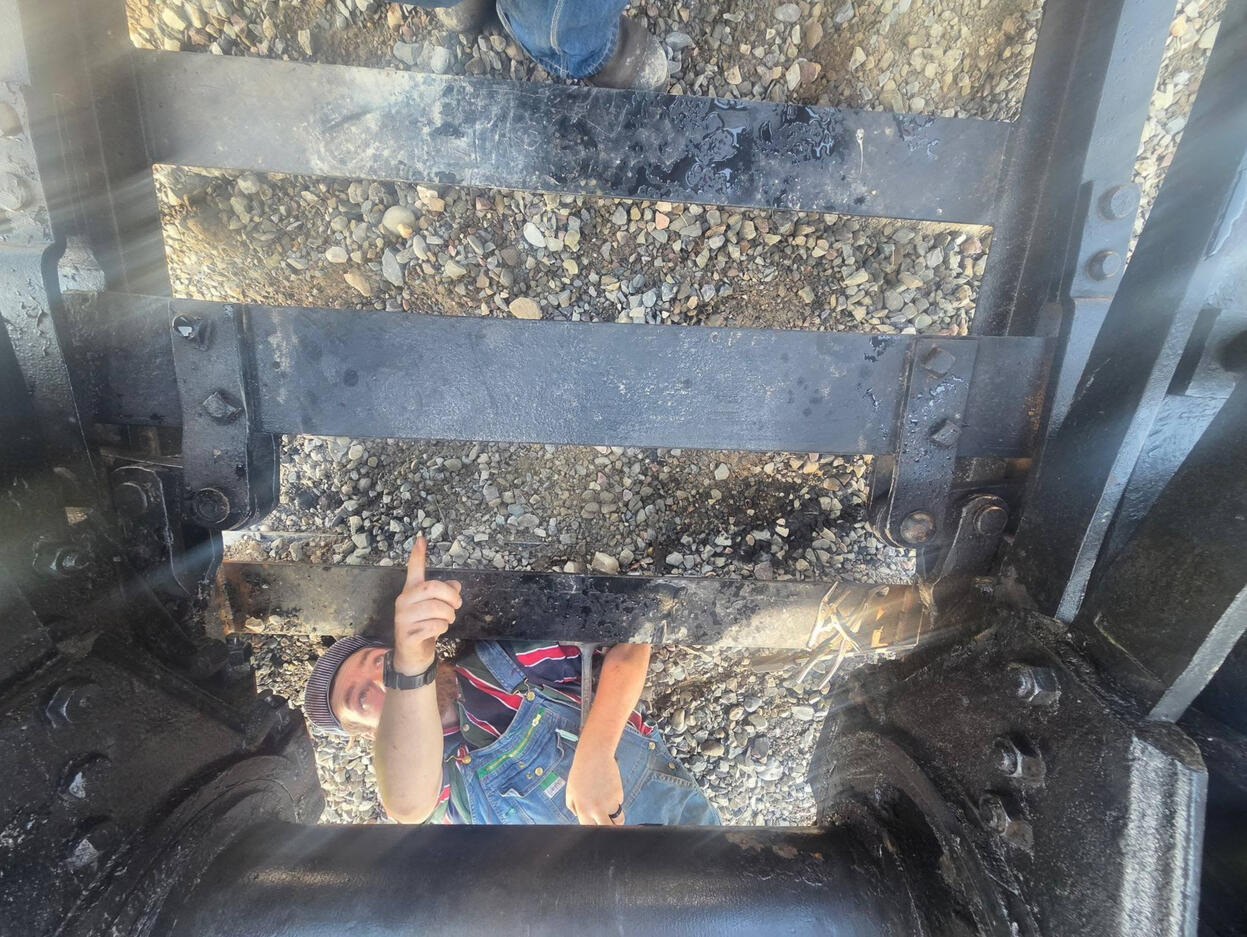
Kurtis, Karsen and Lucas removed the brake rigging off of 39. While being one of the more simple working parts of the engine, we loosely reassembled it off of the engine, took photos and labeled everything, and put it into storage to be cleaned up and straightened out on a later date.
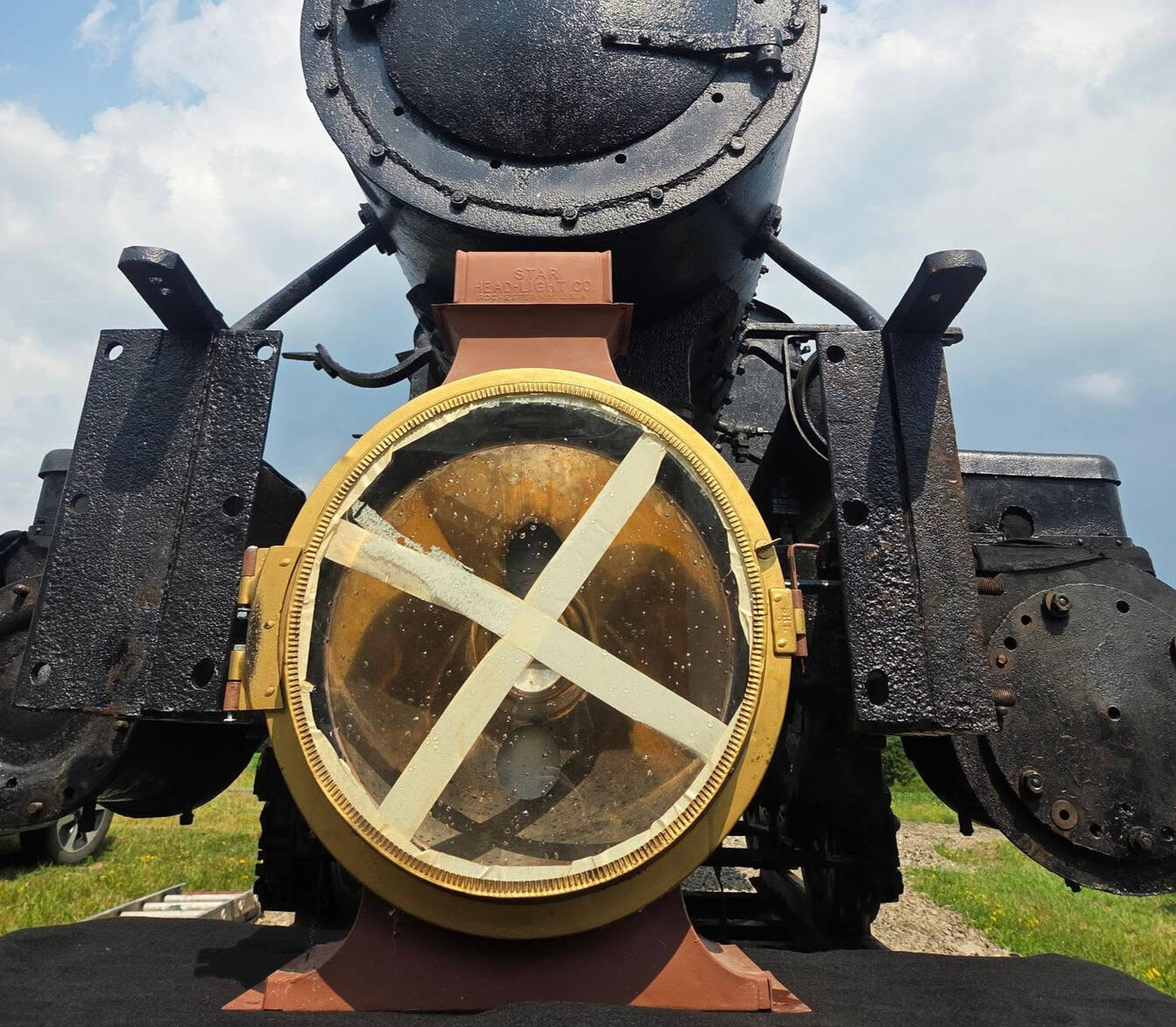
making headway: found the headlight
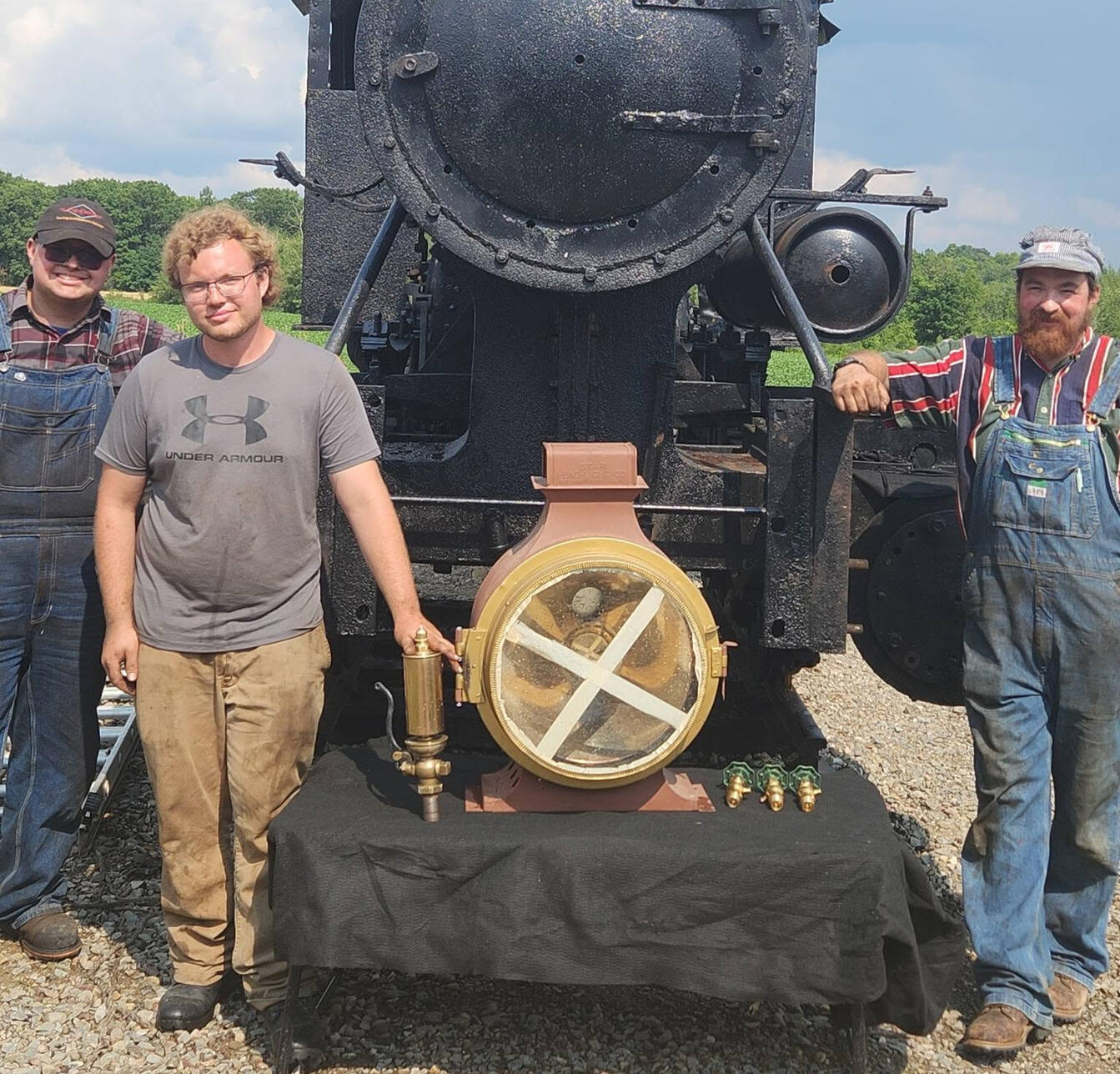
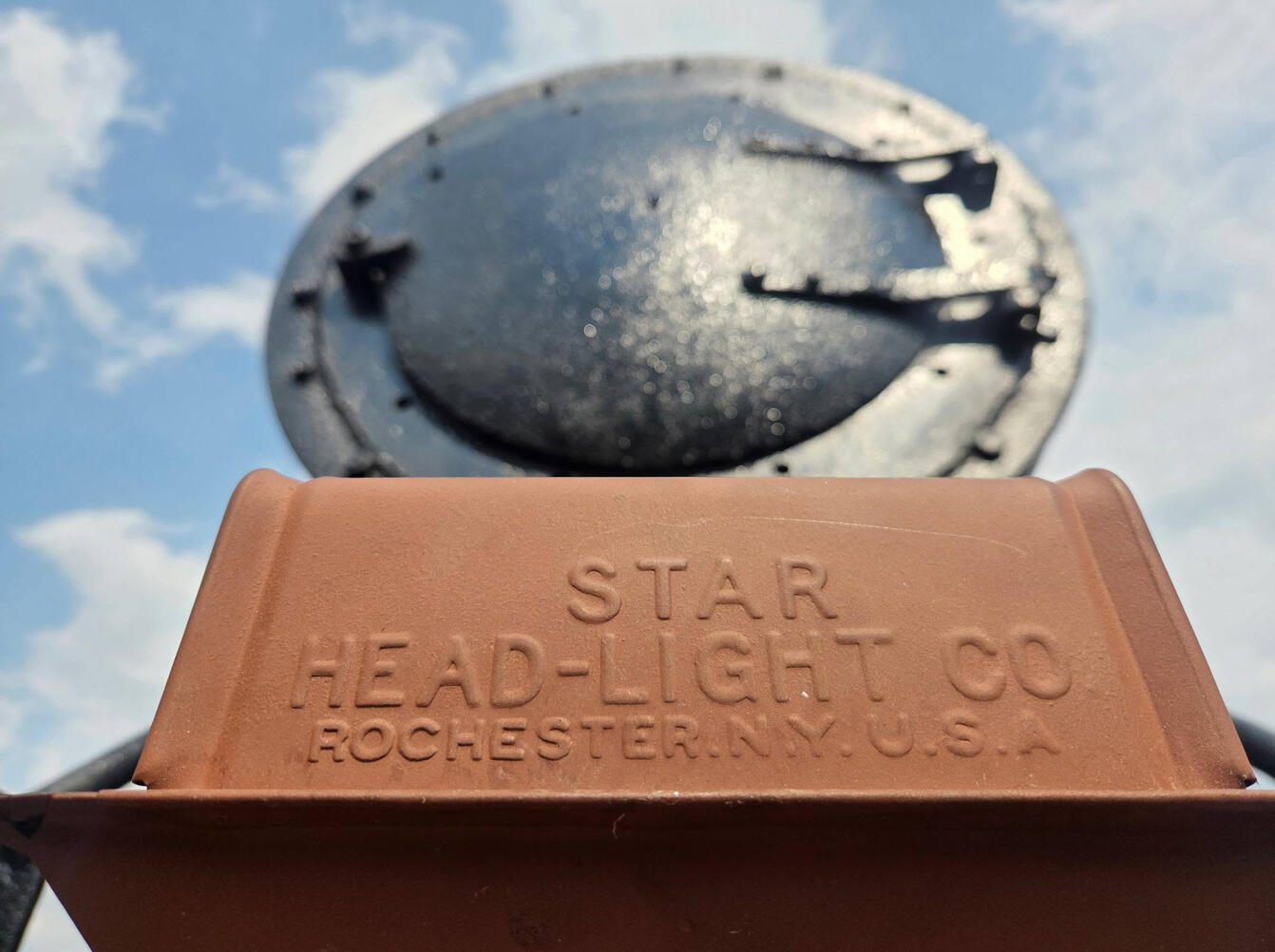
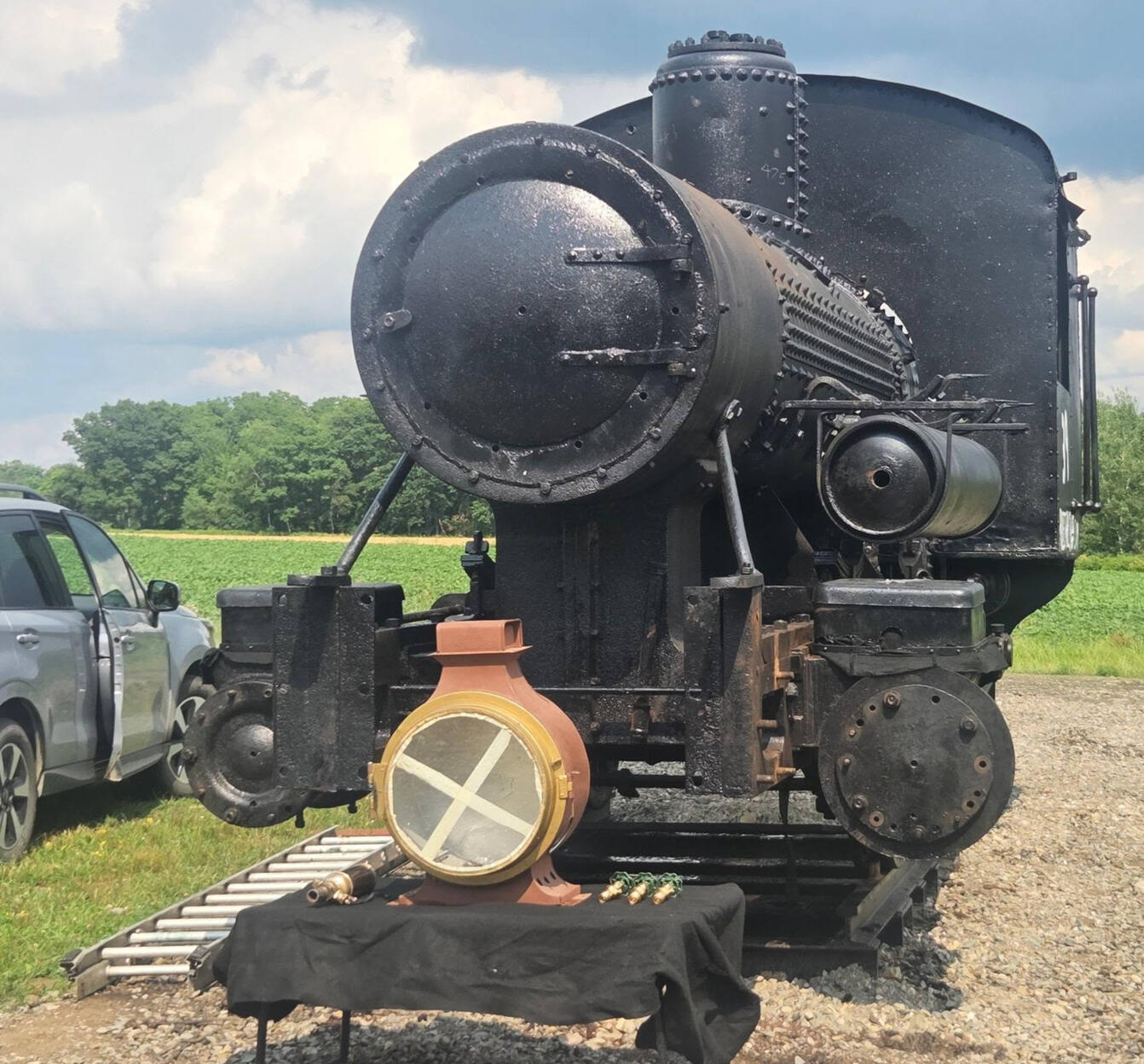
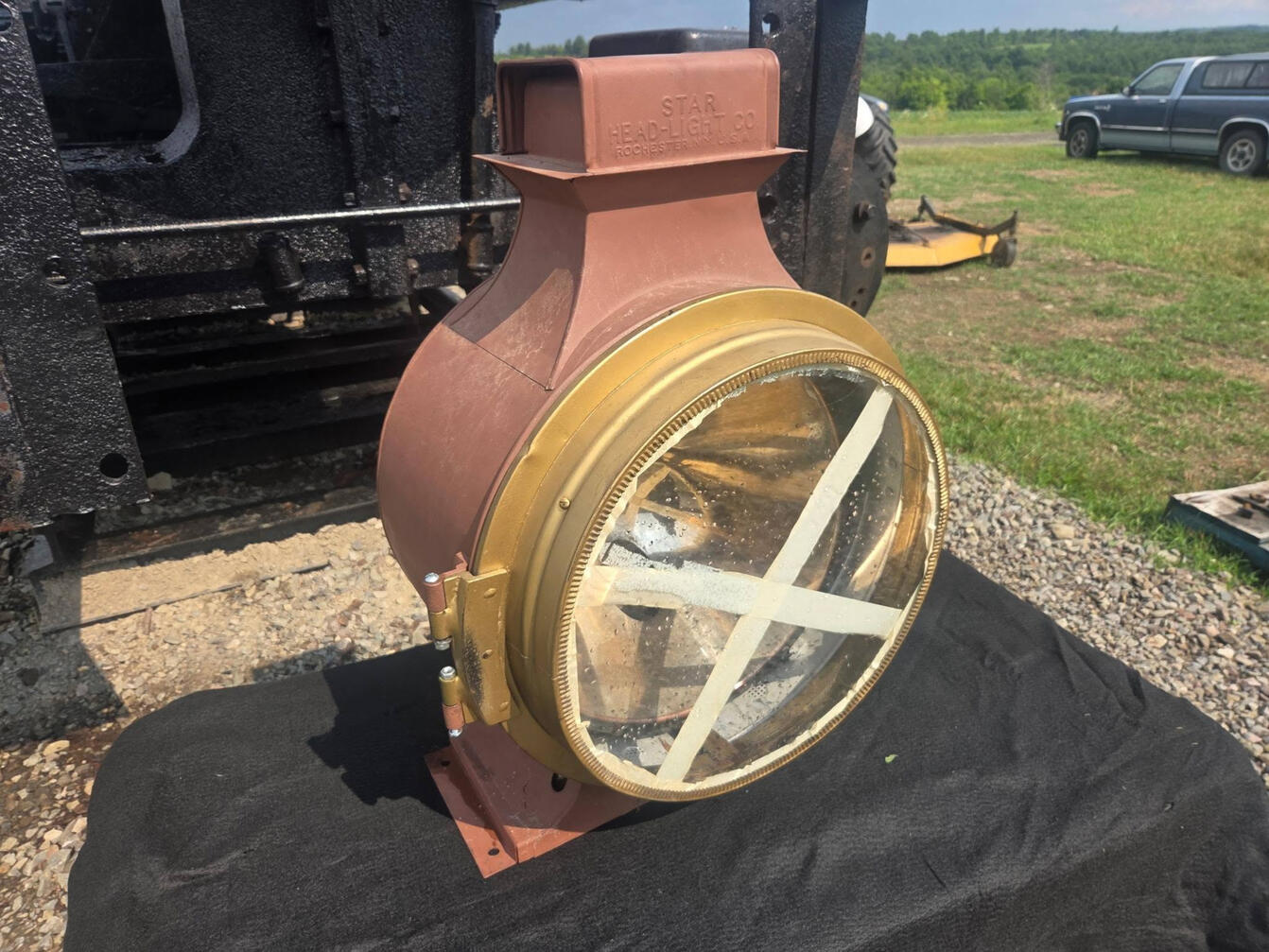
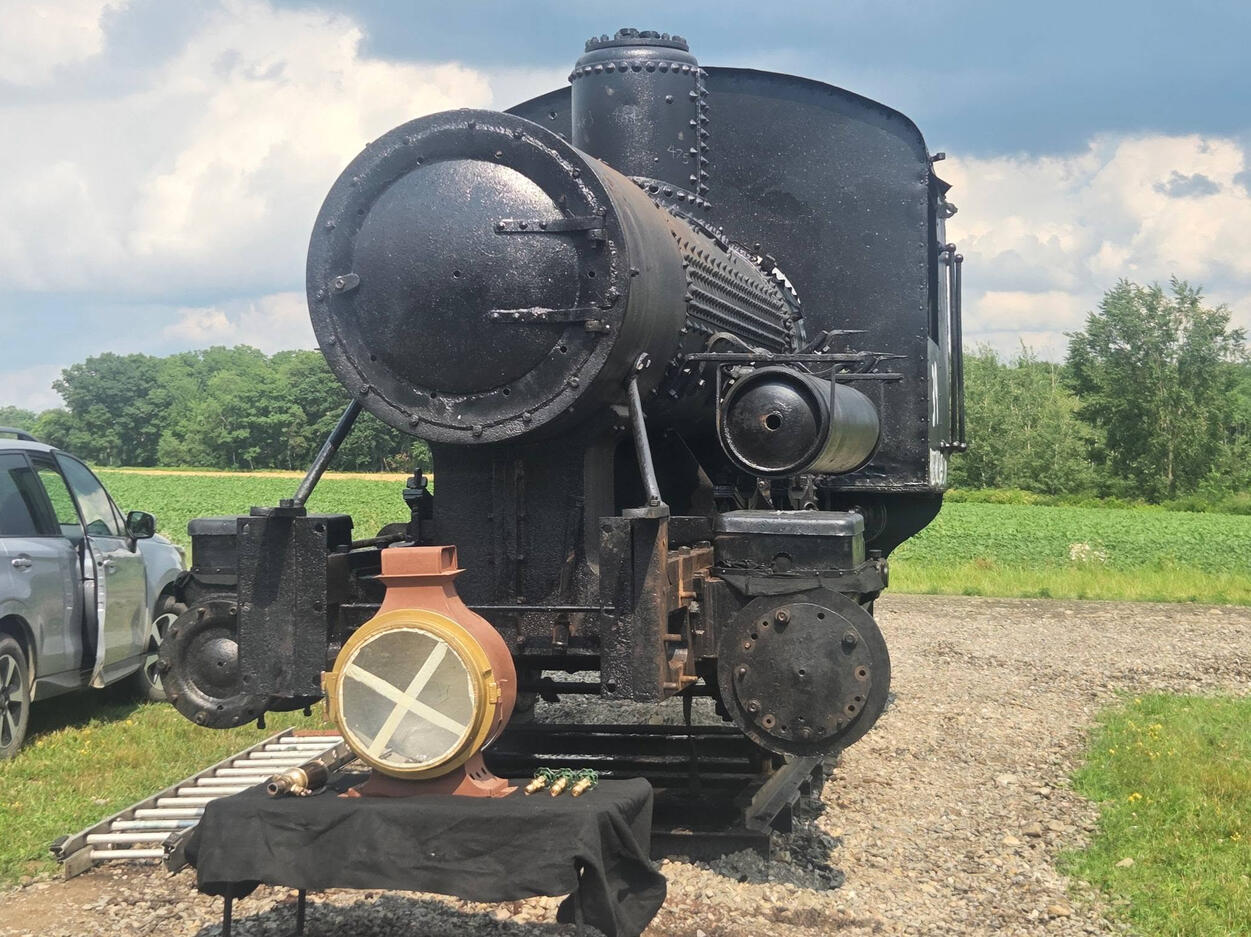
We have acquired something very special for our locomotive, and we are honored to be the ones who will finally be putting it into good use.
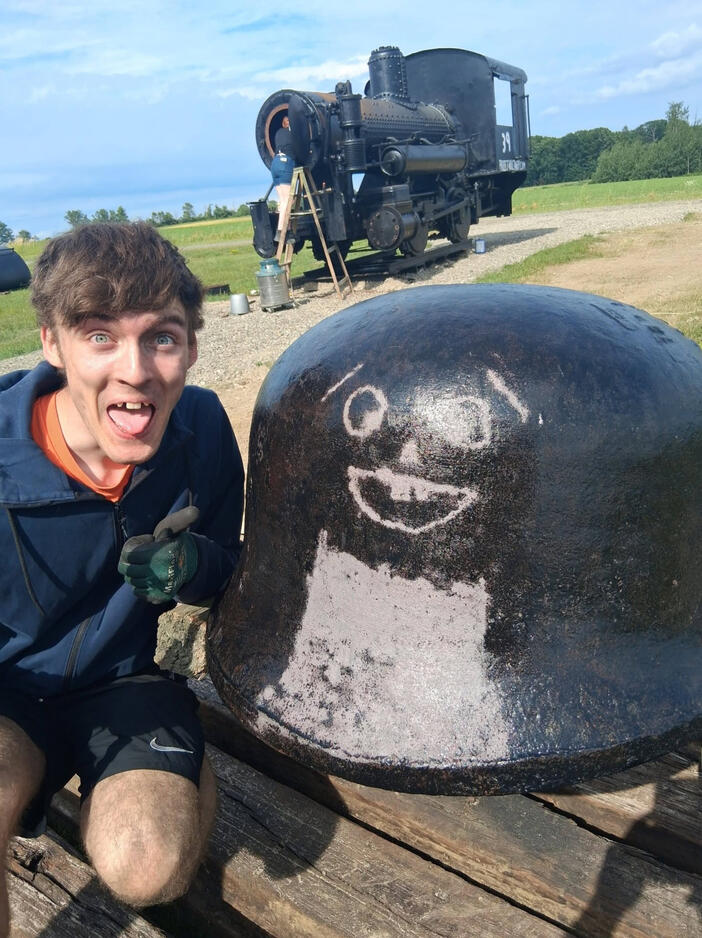
This is a Star Headlight company headlamp based out of Rochester NY, roughly 1890s-1900 era. It is believed that it has never been mounted onto a locomotive, and been either in storage or as a display piece its whole life, which explains its like-new condition. It is also a nearly identical headlamp to the one 39 had when it was built new from factory.
We are thrilled to have this iconic piece of railroading history one day lead our engine down the line
air compressor removed and unseized
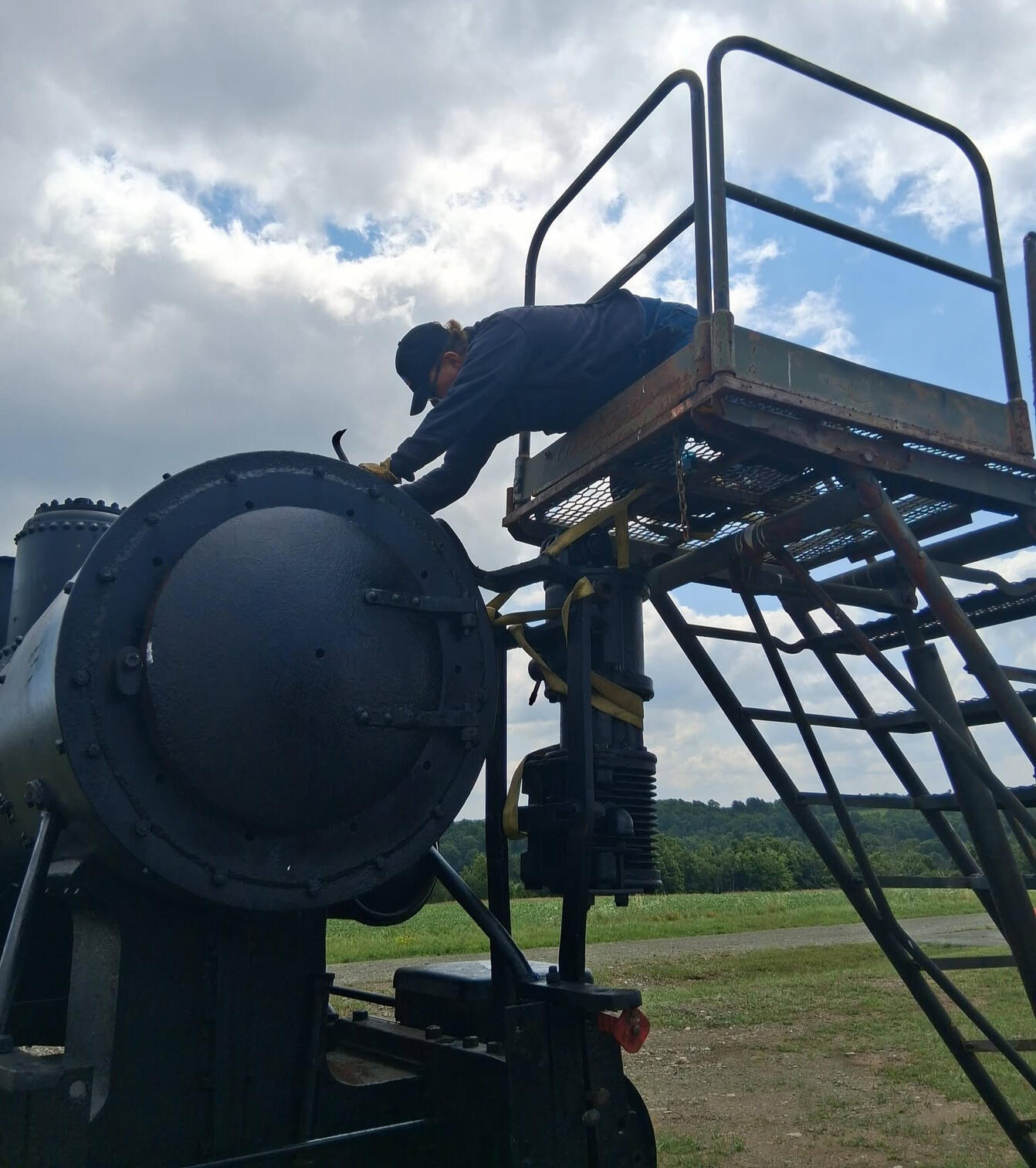
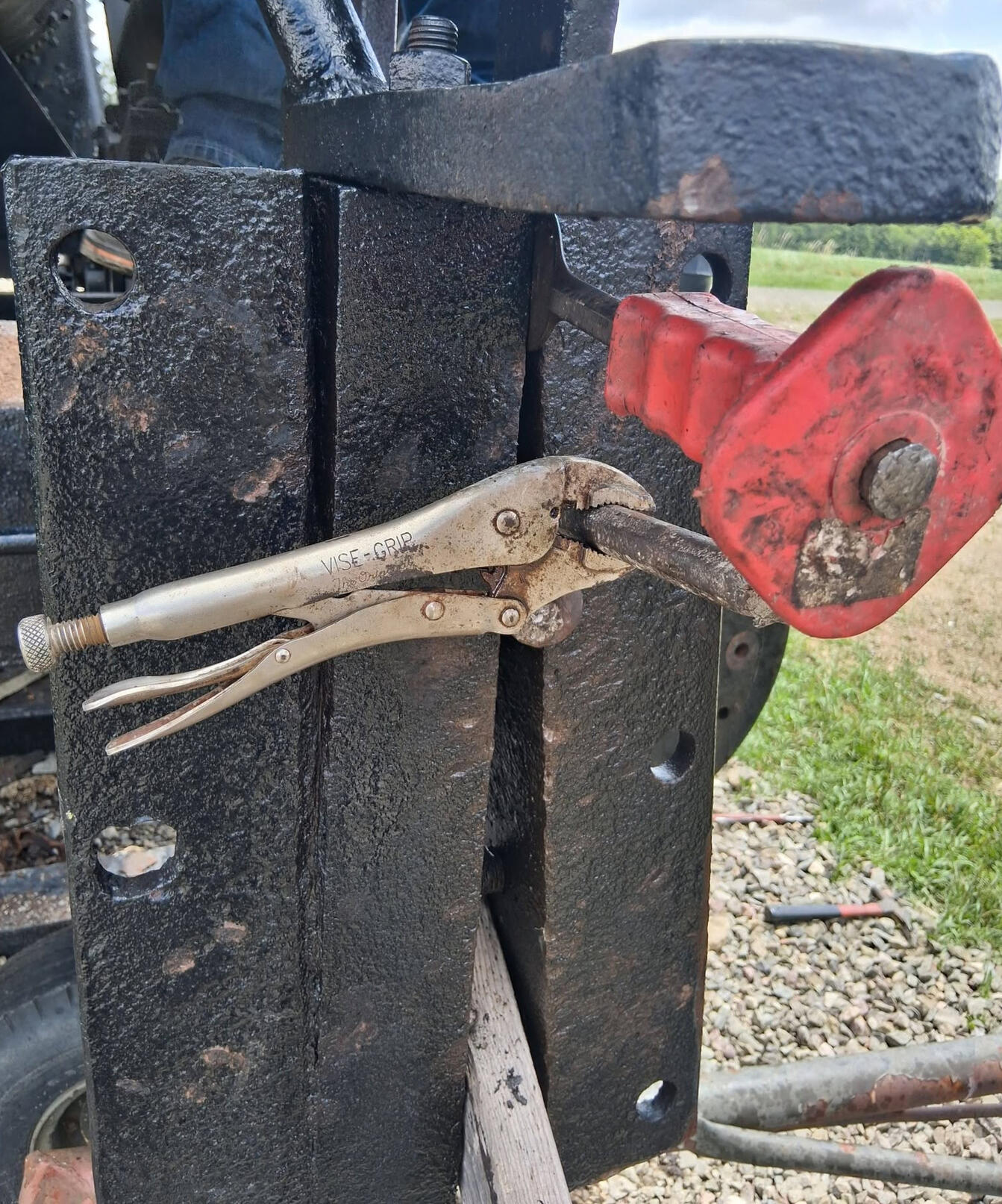
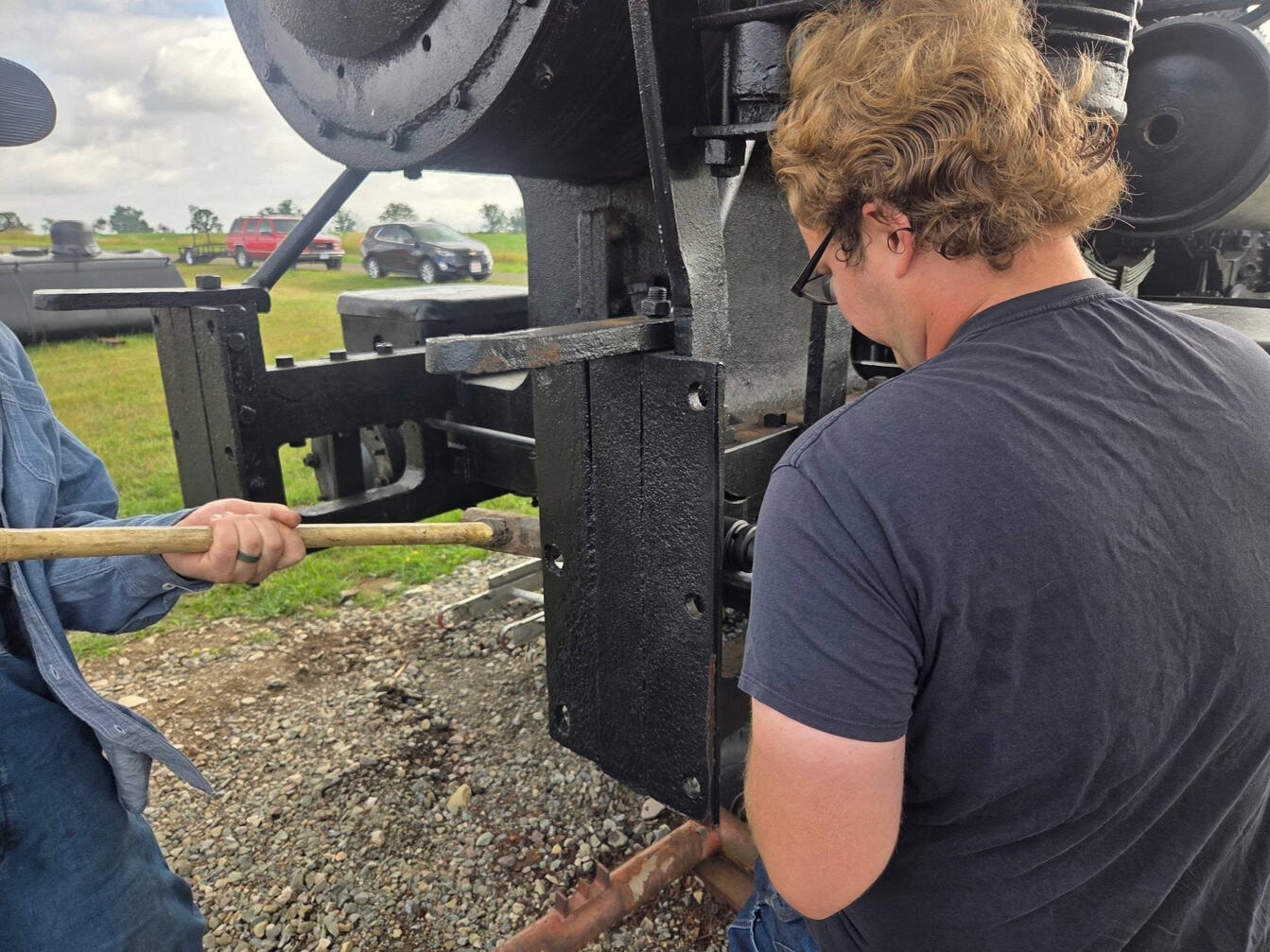
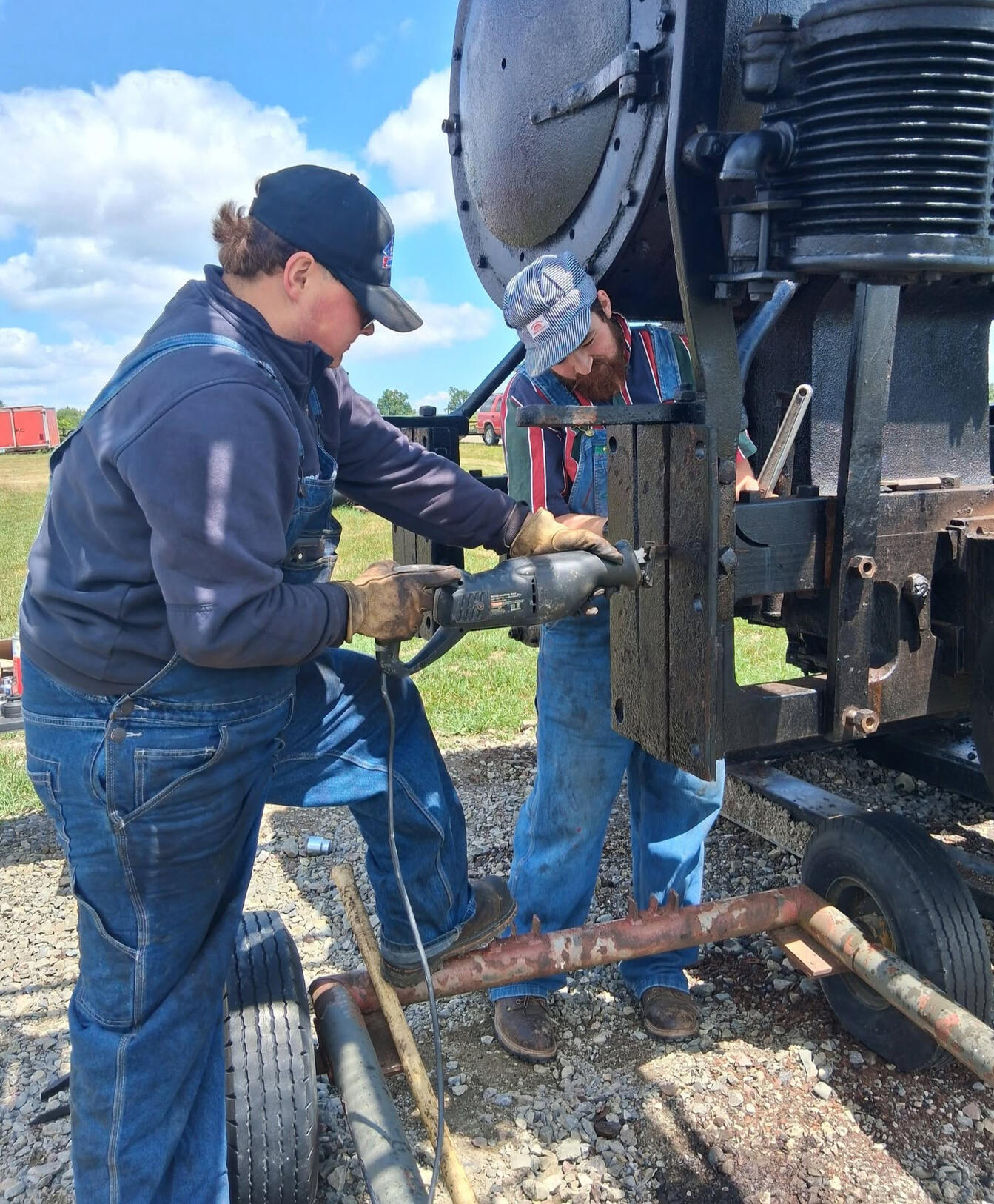
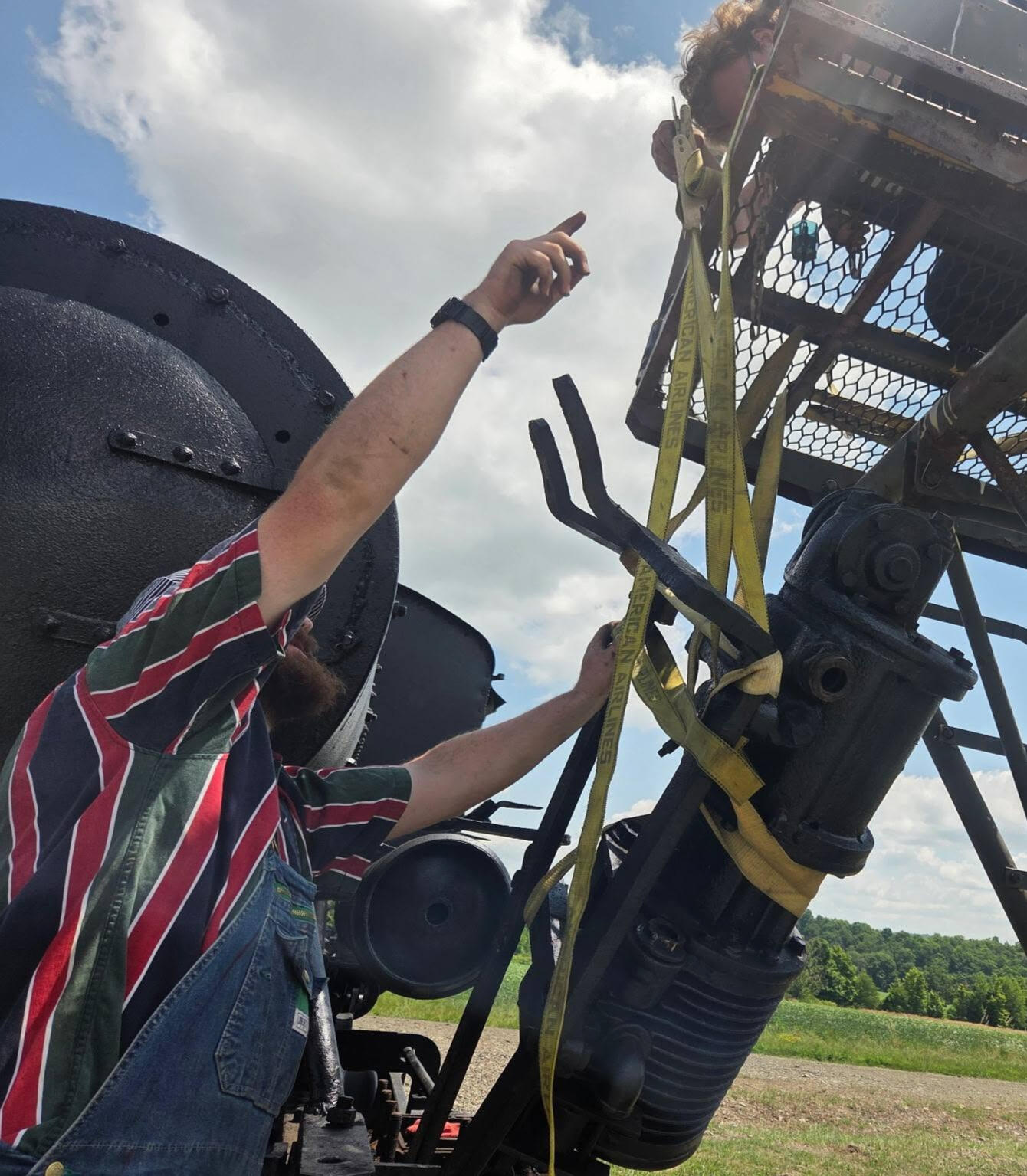
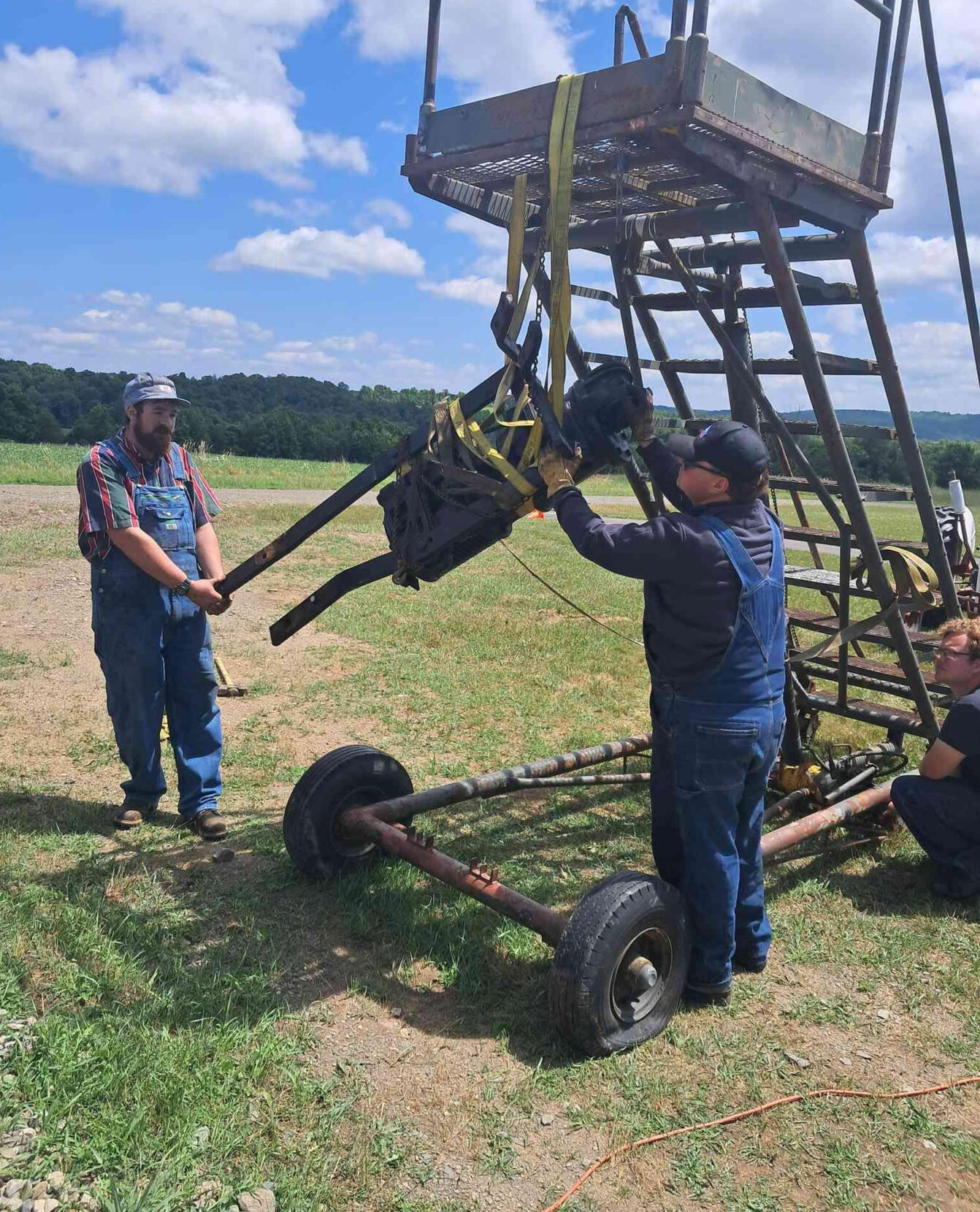
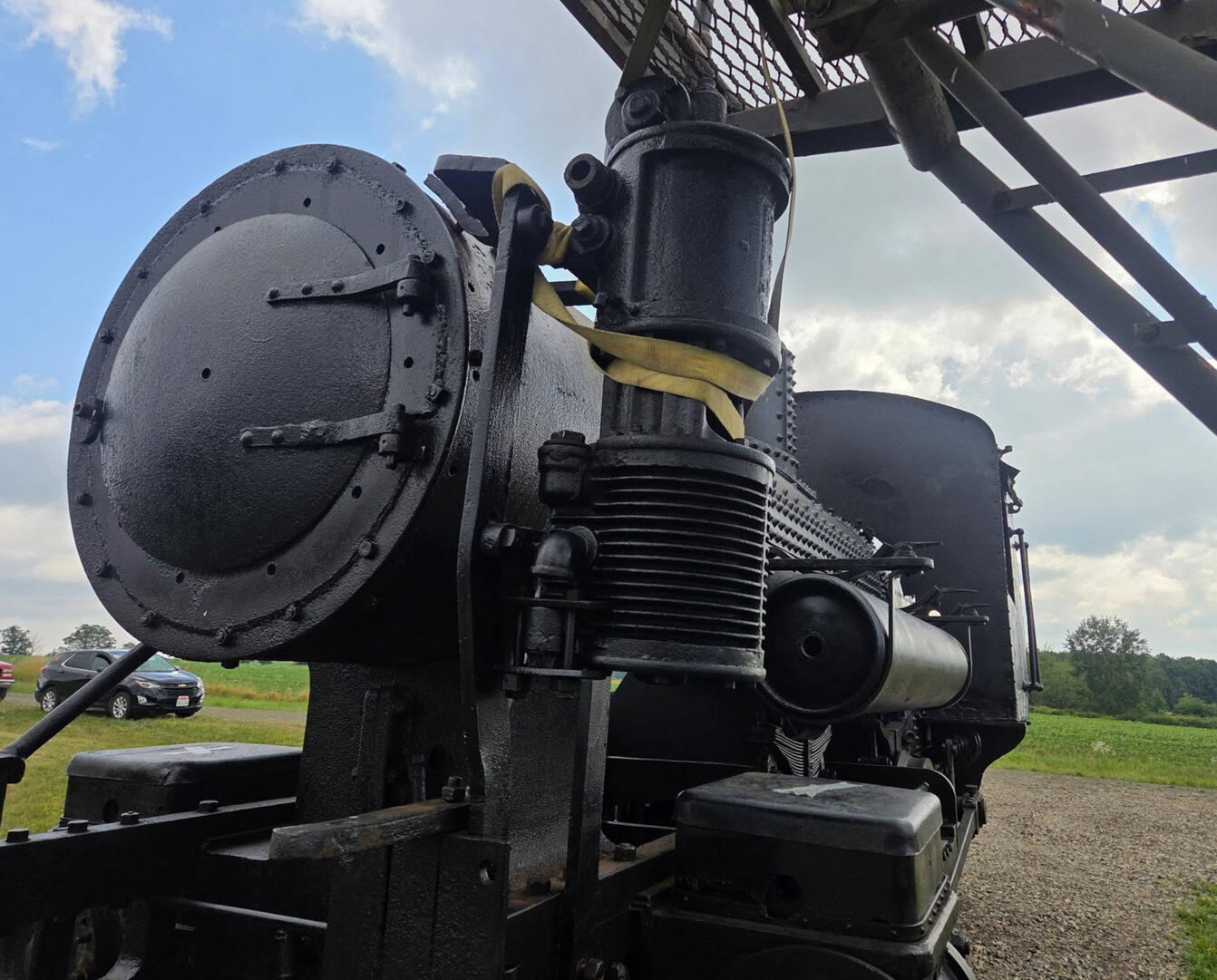
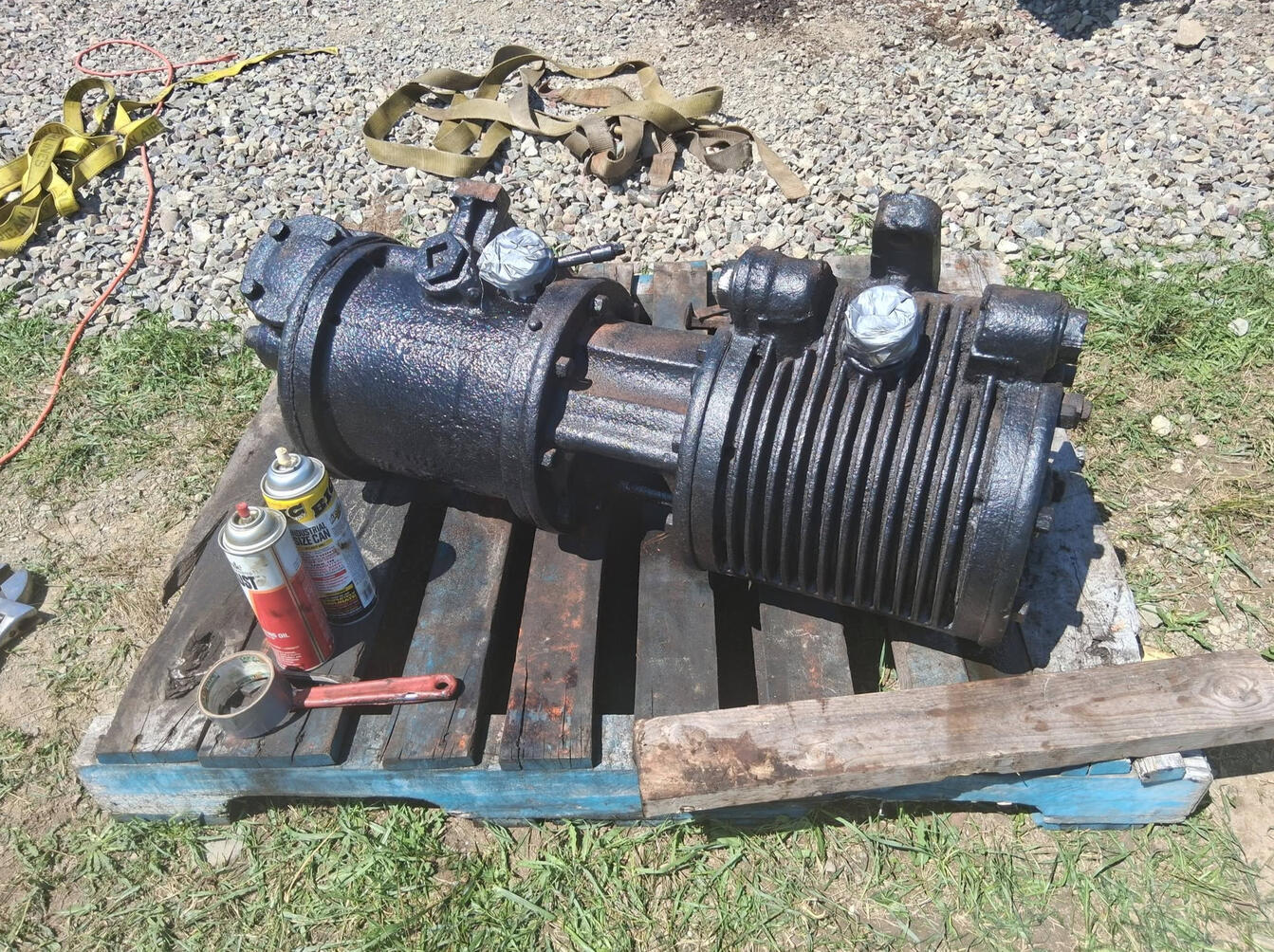
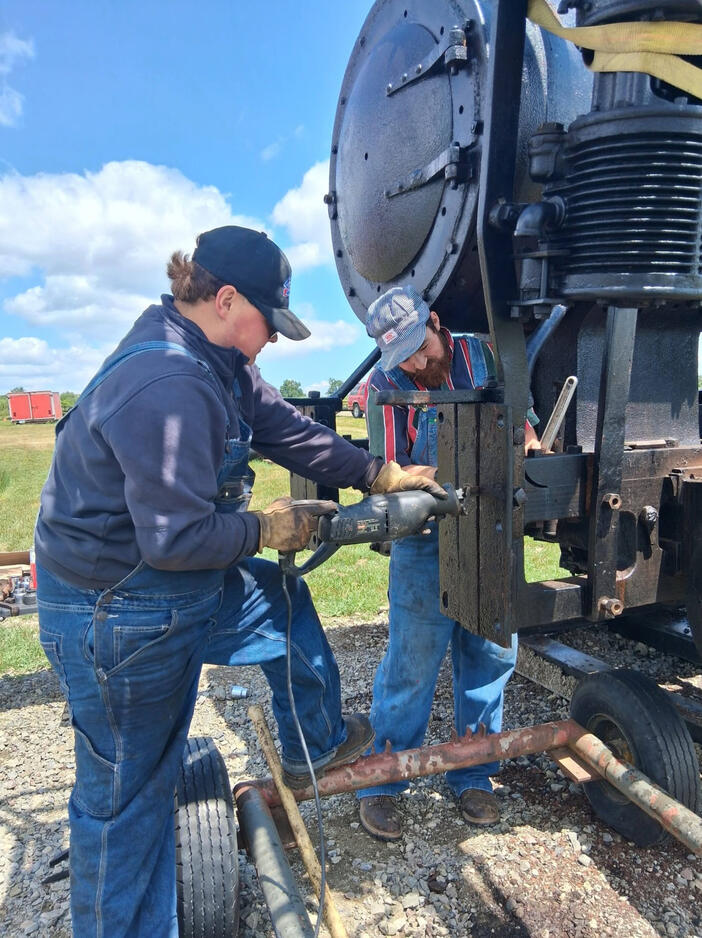
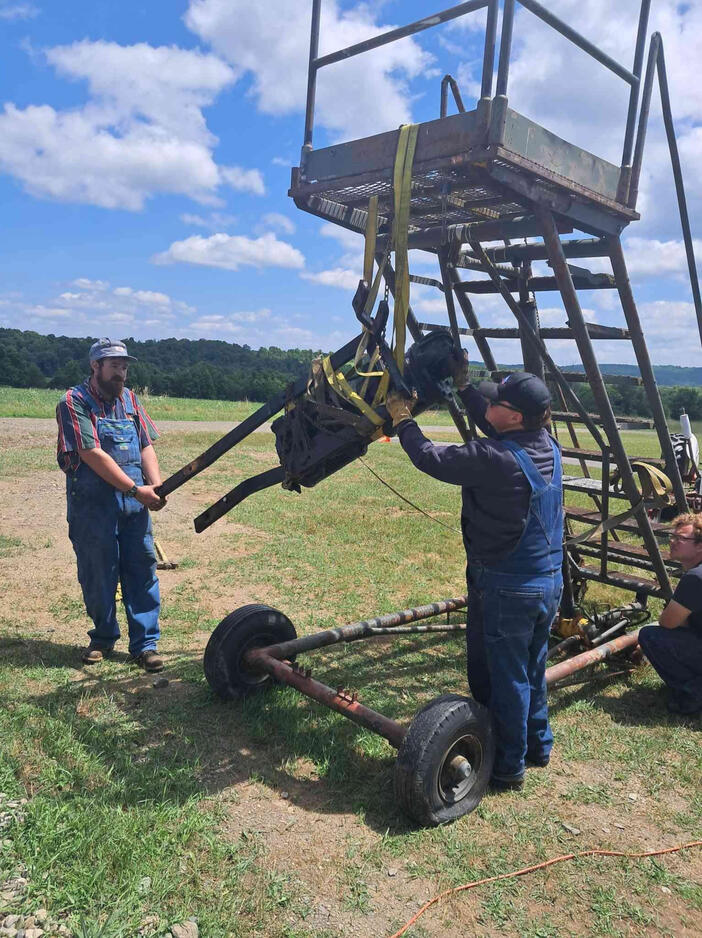
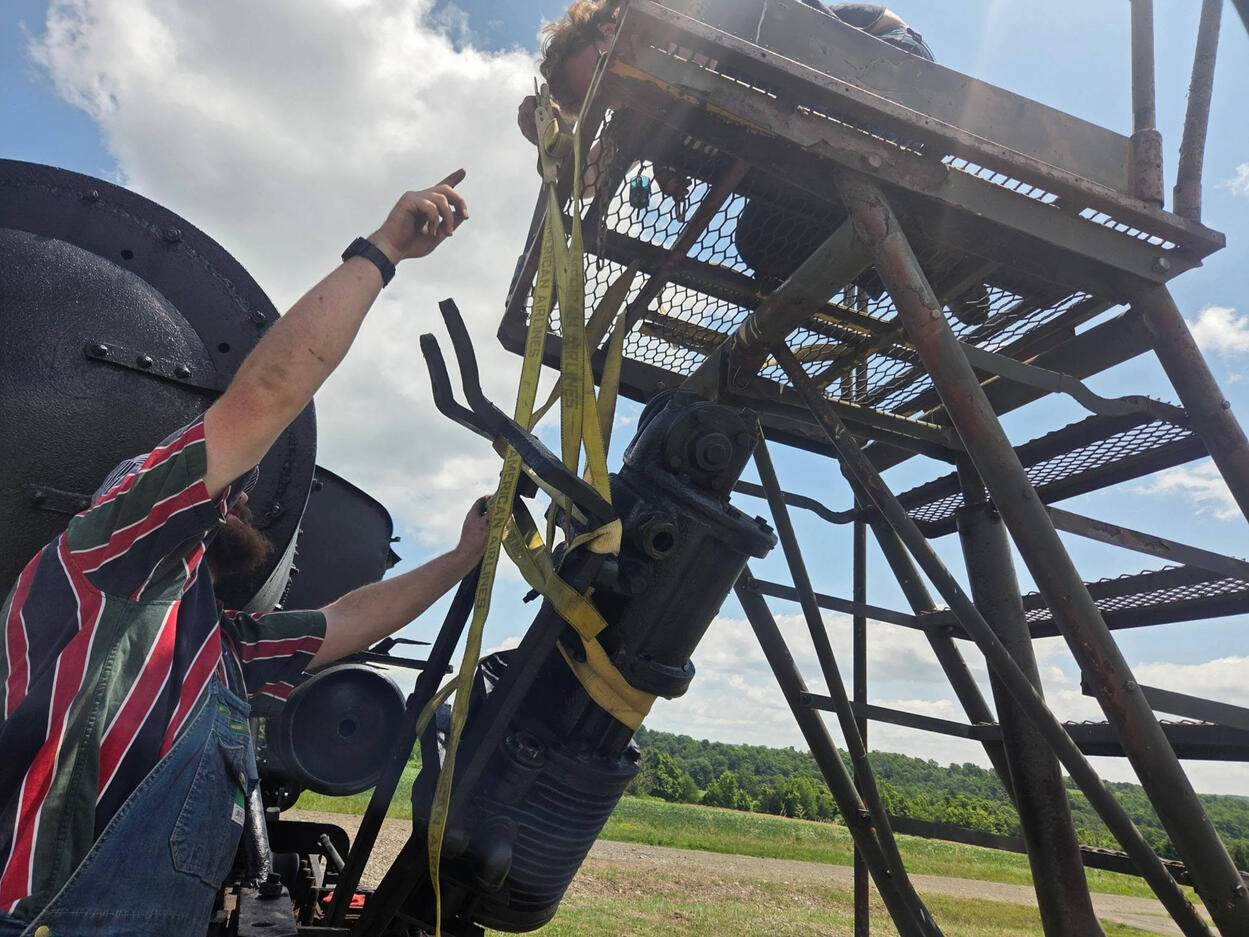
Lucas, Karsen and Kurtis got the air compressor off of the locomotive. Several of the bolts on the mounting brackets had essentially fused themselves to the frame, so it took some time, hammering and cutting to finally get it removed.
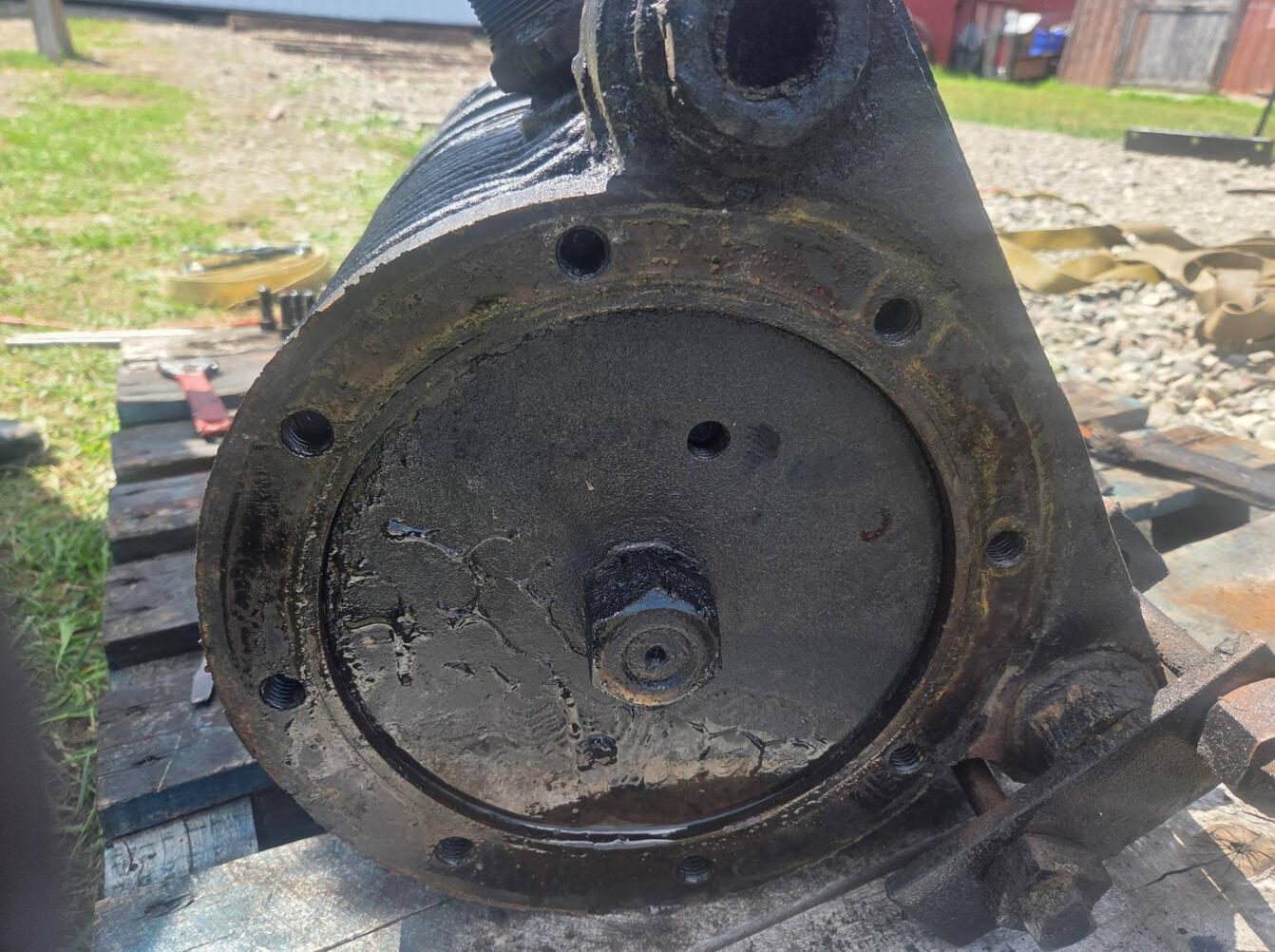
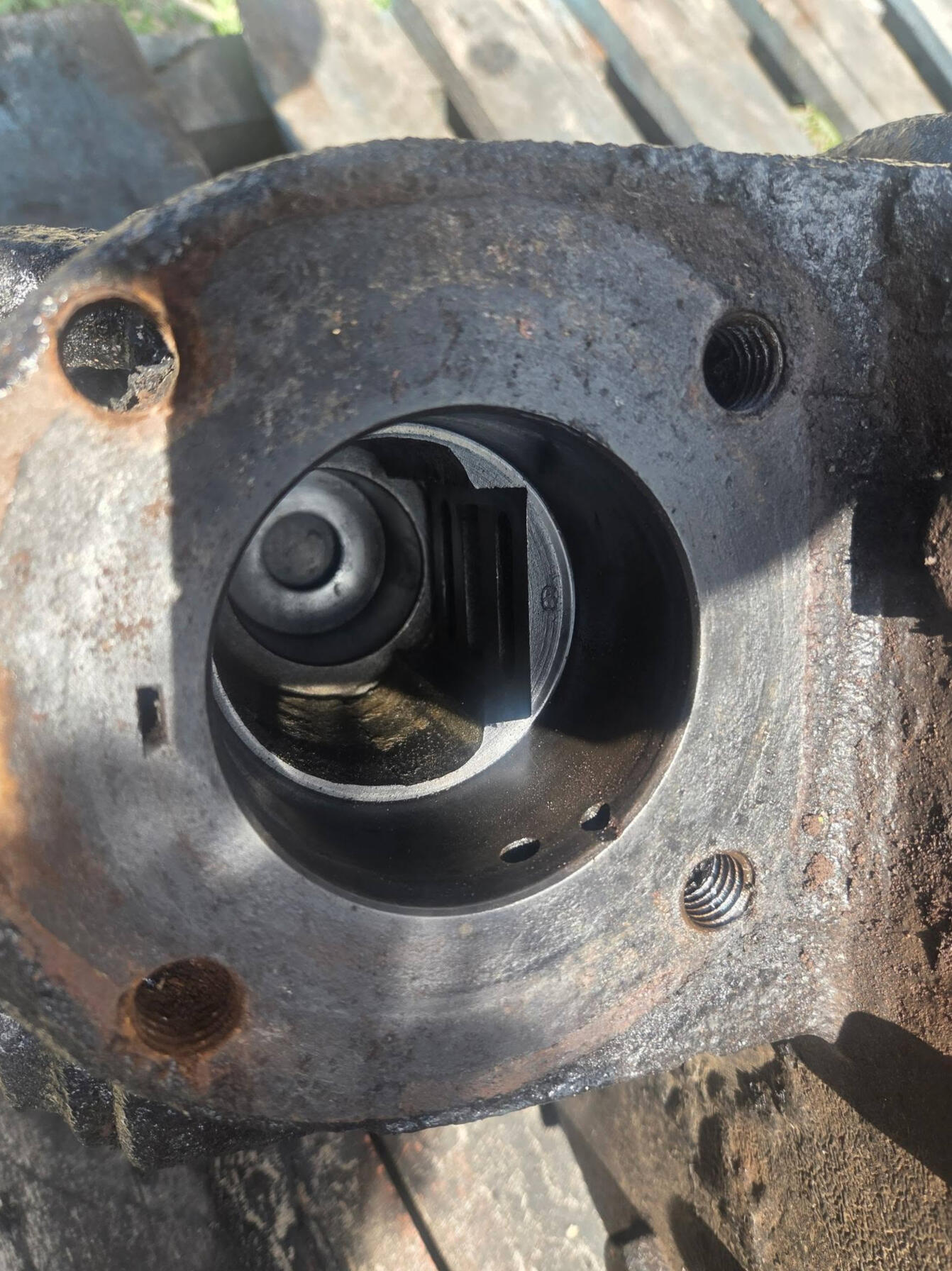
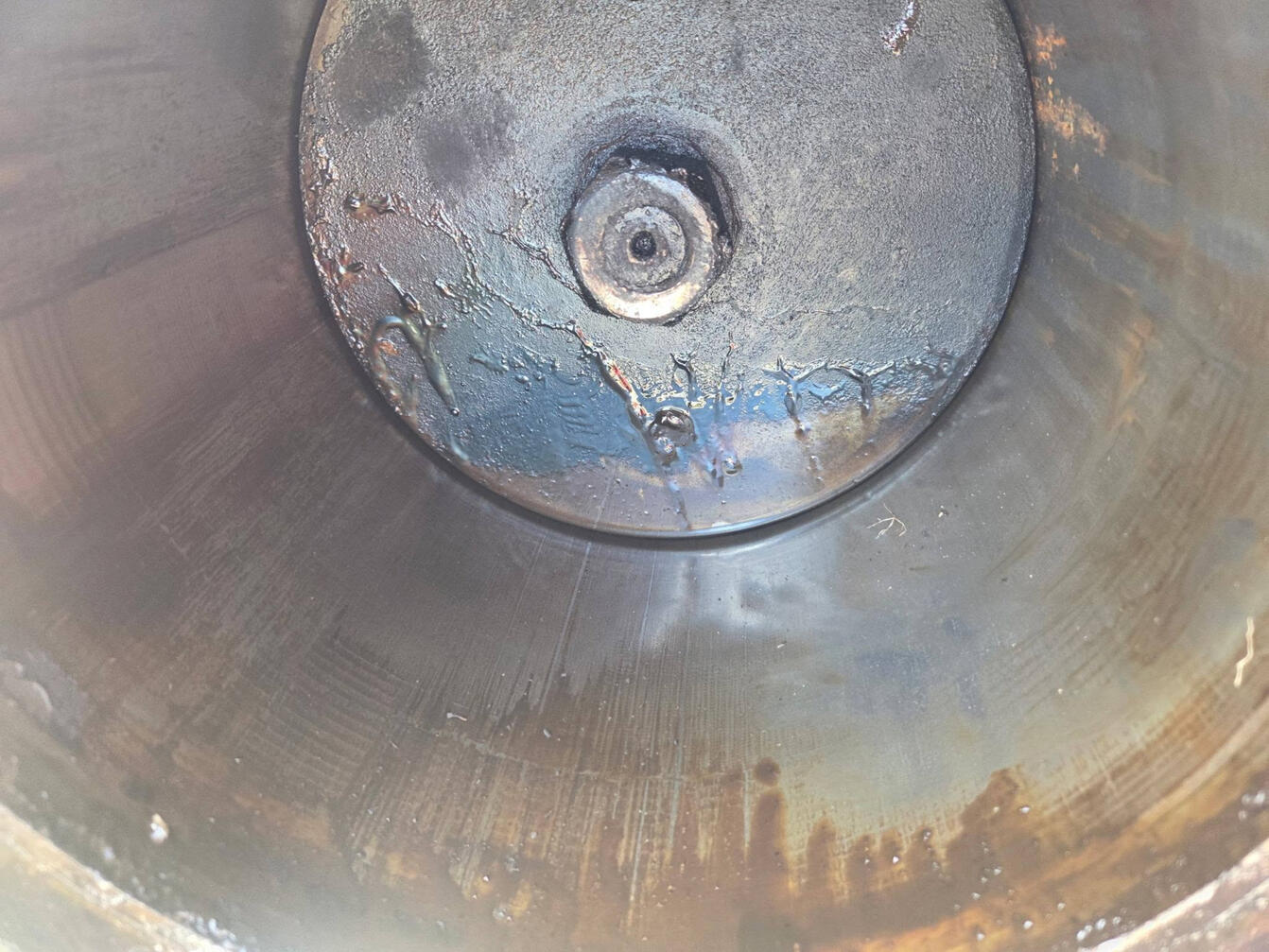
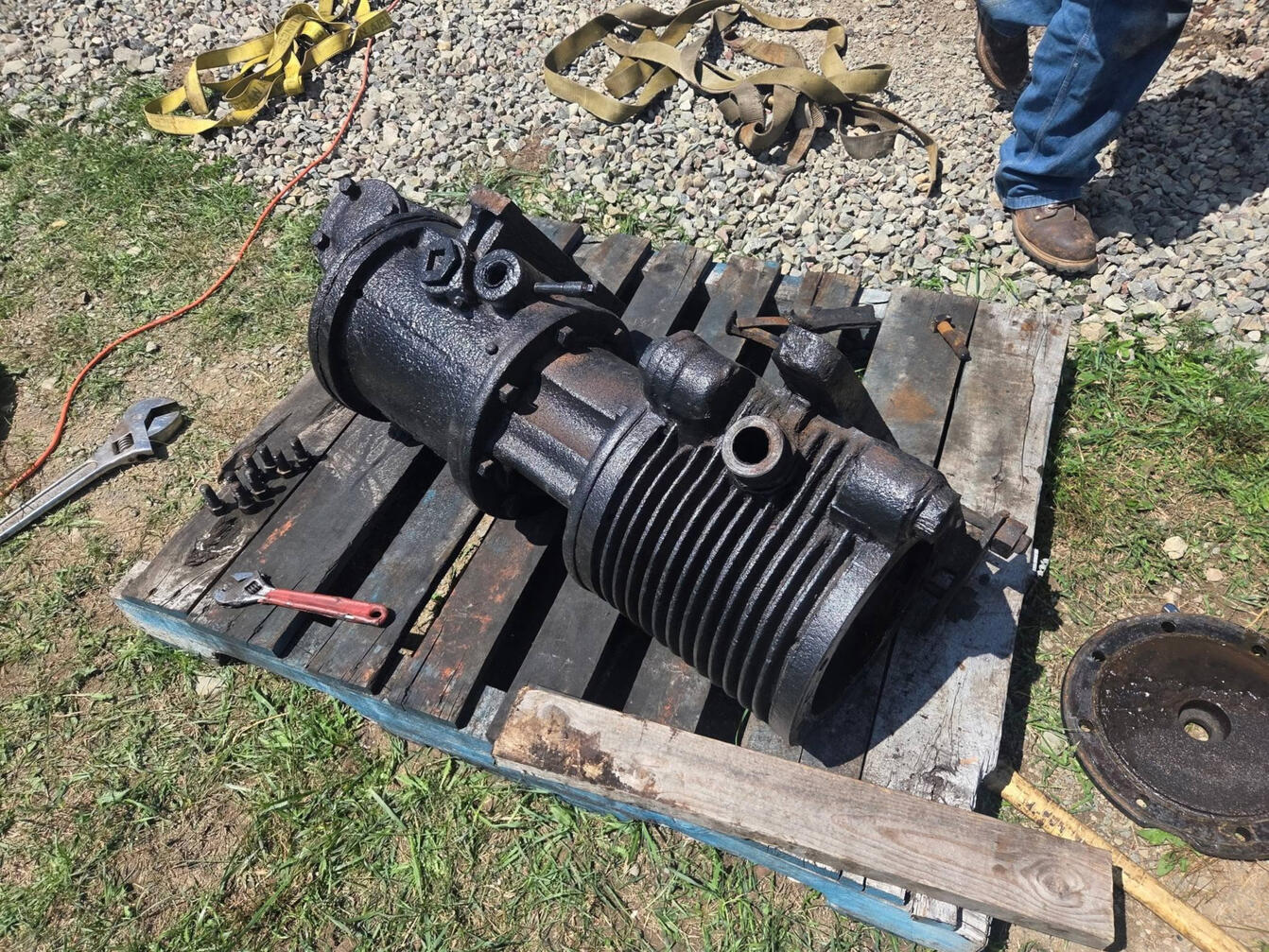
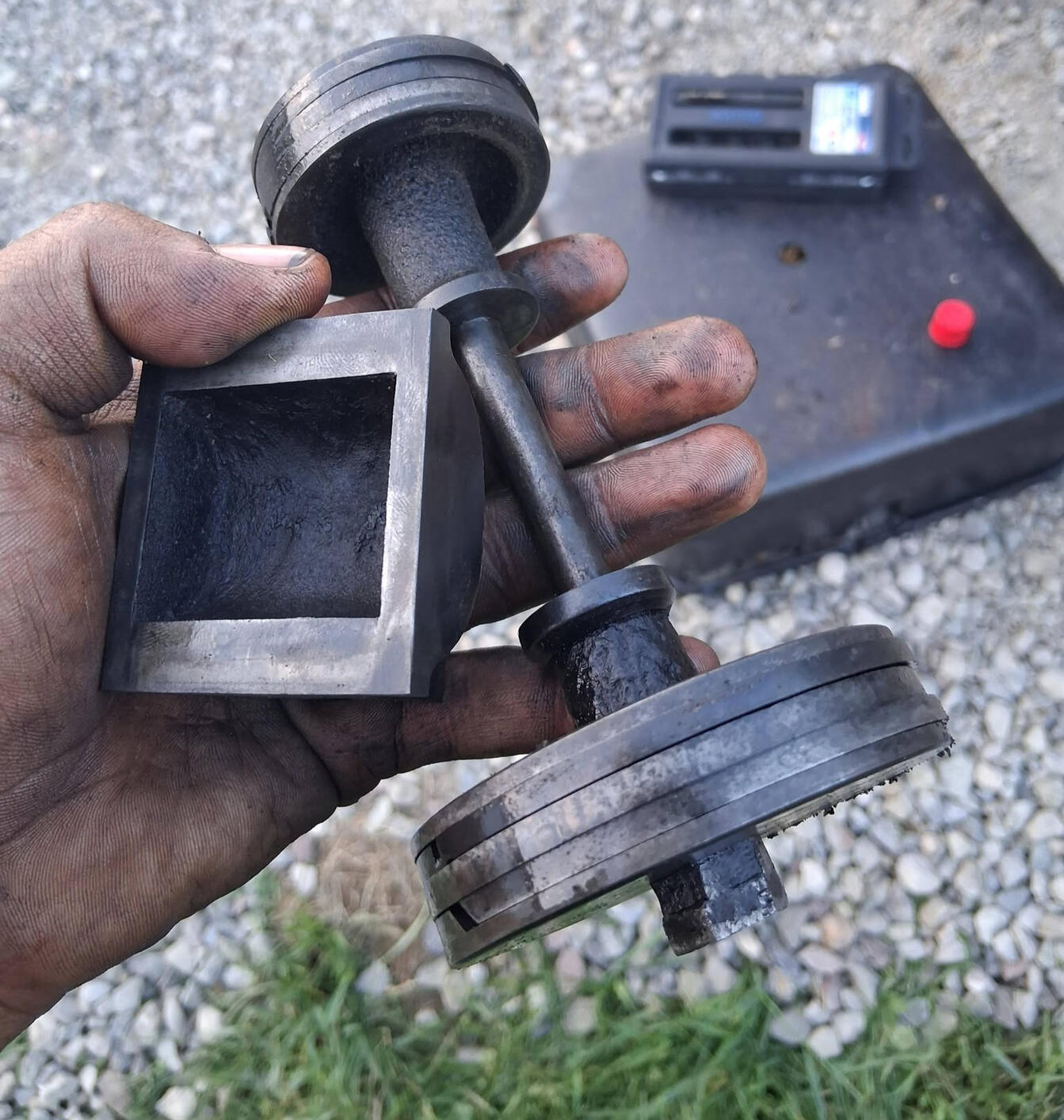
We opened up the bores on the Westinghouse 9.5 inch single stage compressor to view their condition. We were pleasantly surprised to see that it was left in a state where almost no deterioration was able to occur. We lightly tapped the piston with a wood block and hammer and it moved up the bore as if it was running yesterday. It still seems to have good compression too. Once we get it set up inside and upright we believe it should run on air without issue.
We do still plan to take it apart for a fairly standard servicing. And to check for issues we may not know about as of yet.
If the rest of the compressor looks as good as this, we have saved a lot of time and money.
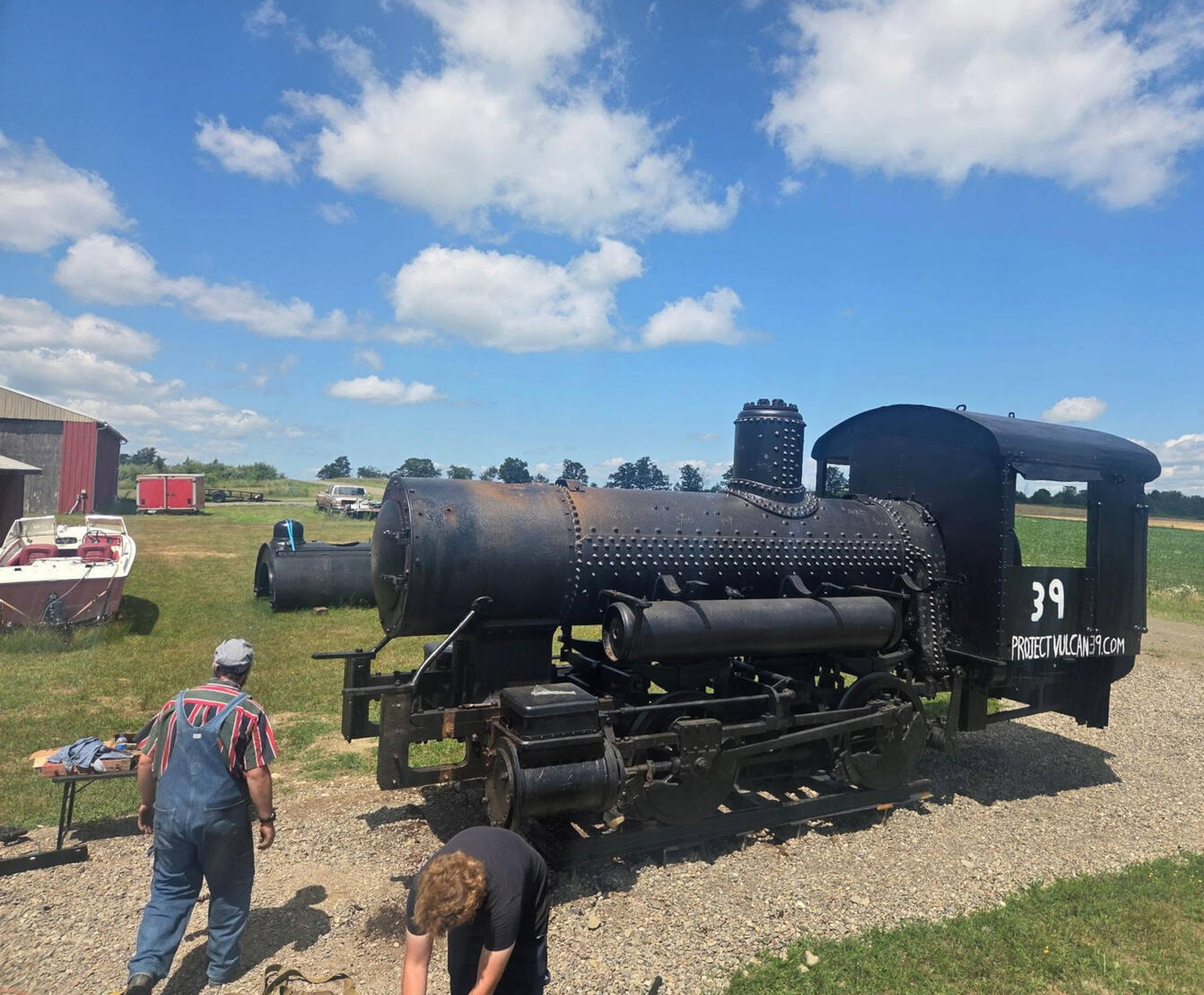
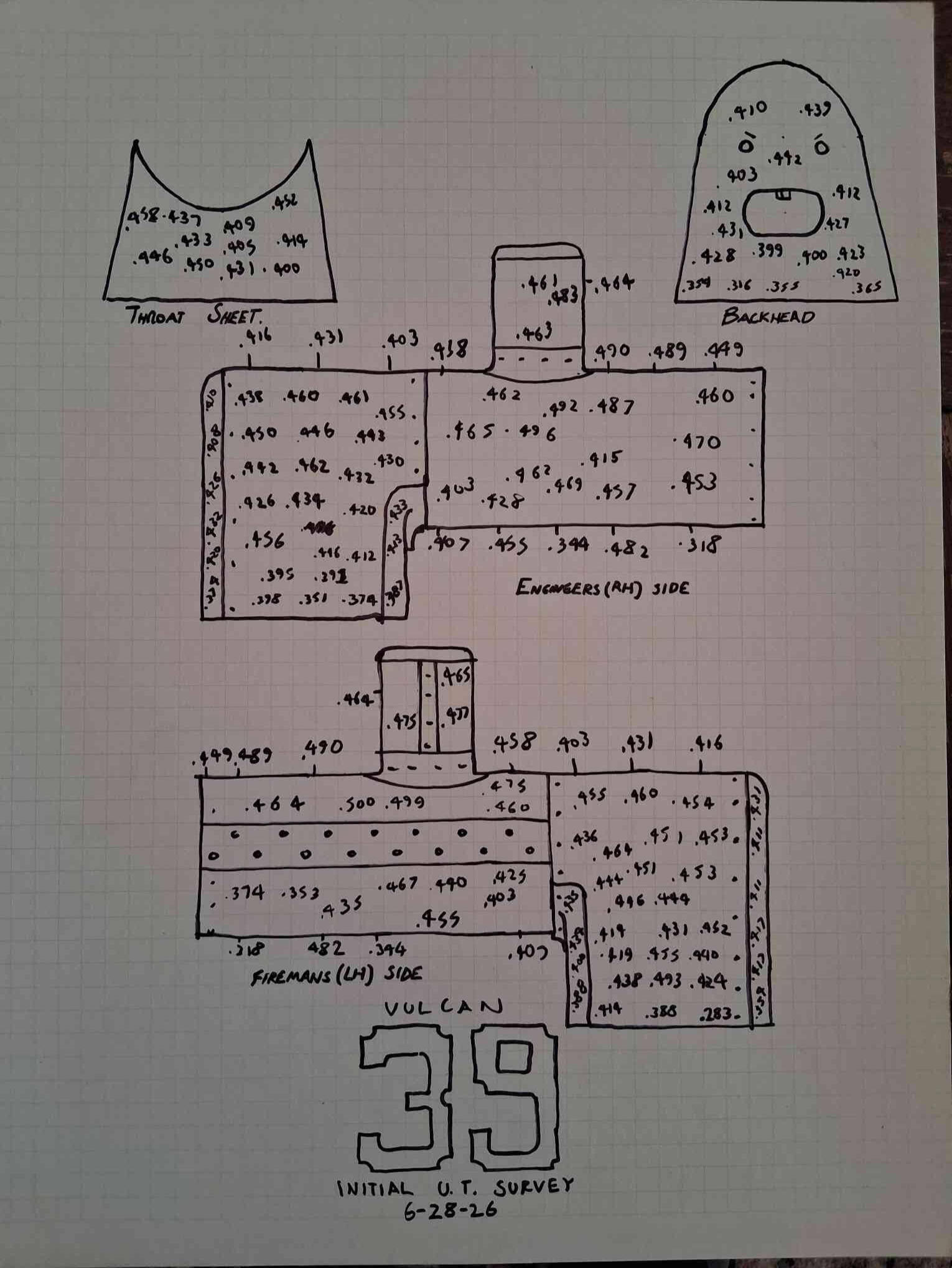
Boiler initial U.T. scan
7/11/26Nate did an initial UT servery on the boiler. While most of the boiler looks OK, unsurprisingly we found some thin spots that will need to be addressed. Notable thin areas are directly located around old mouse/other rodent nests. Not shown are the firebox and front tube sheet scans. The firebox will need some work done around the lower sections, where acidic coal ash and clinkers were allowed to sit and gather moisture, but seemingly nothing major. The front tube sheet will likely need a complete replacement.
We knew getting into this project that the largest hurdle would be the boiler, luckily it is not as bad as we had previously assumed it would be.
We do not plan to do anything to the boiler until all of the running gear work is complete.
running gear unfrozen
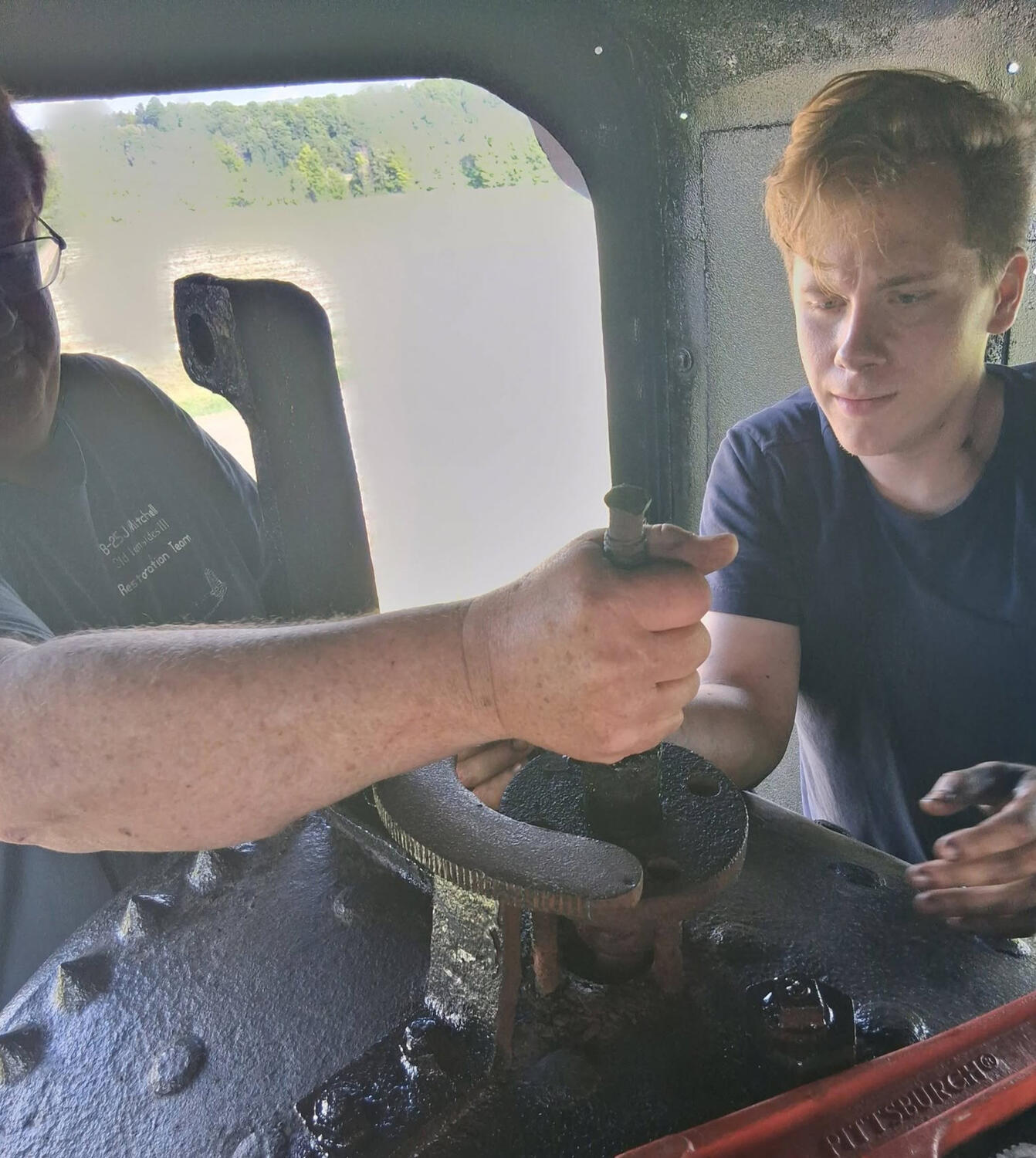
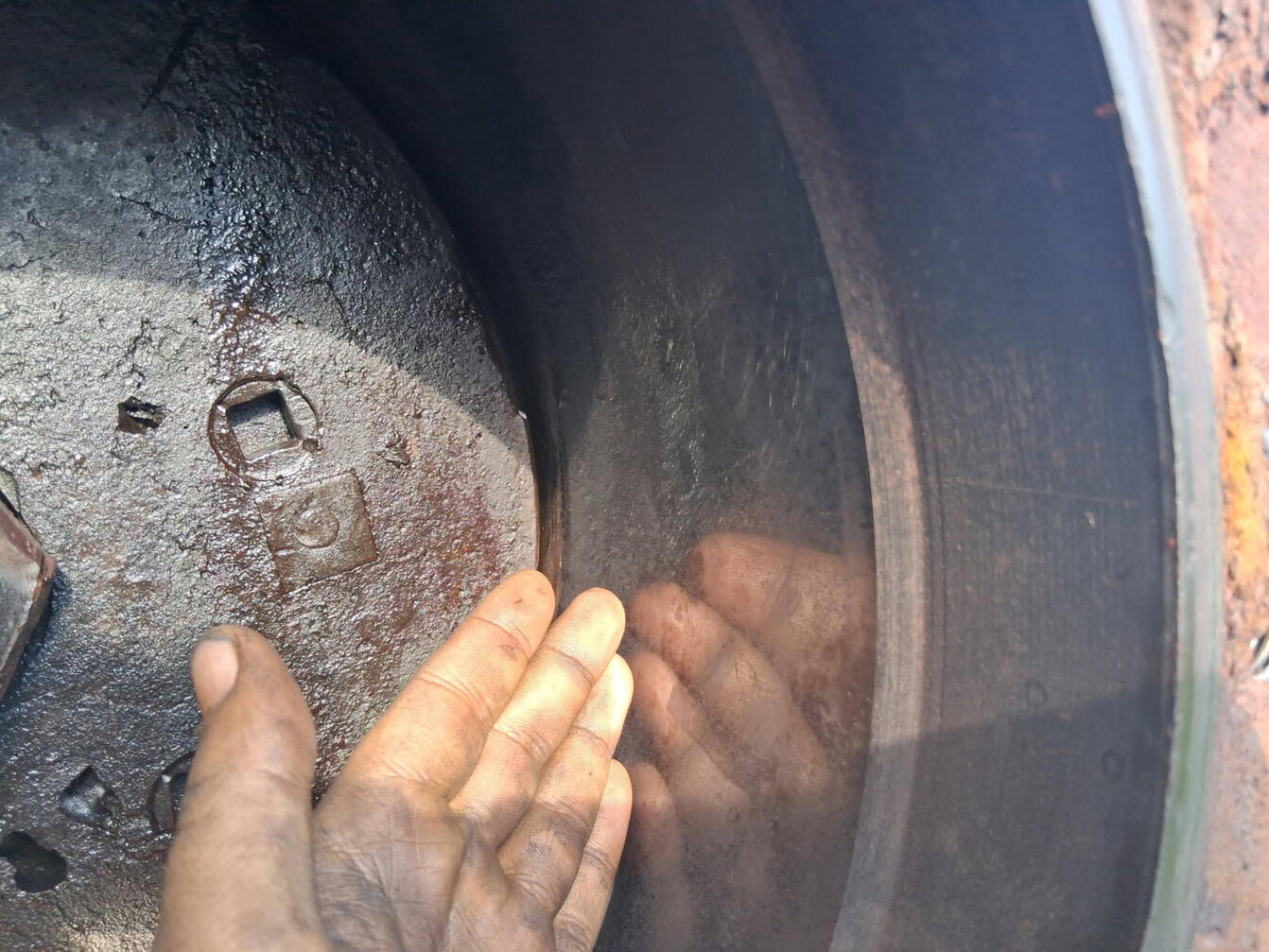
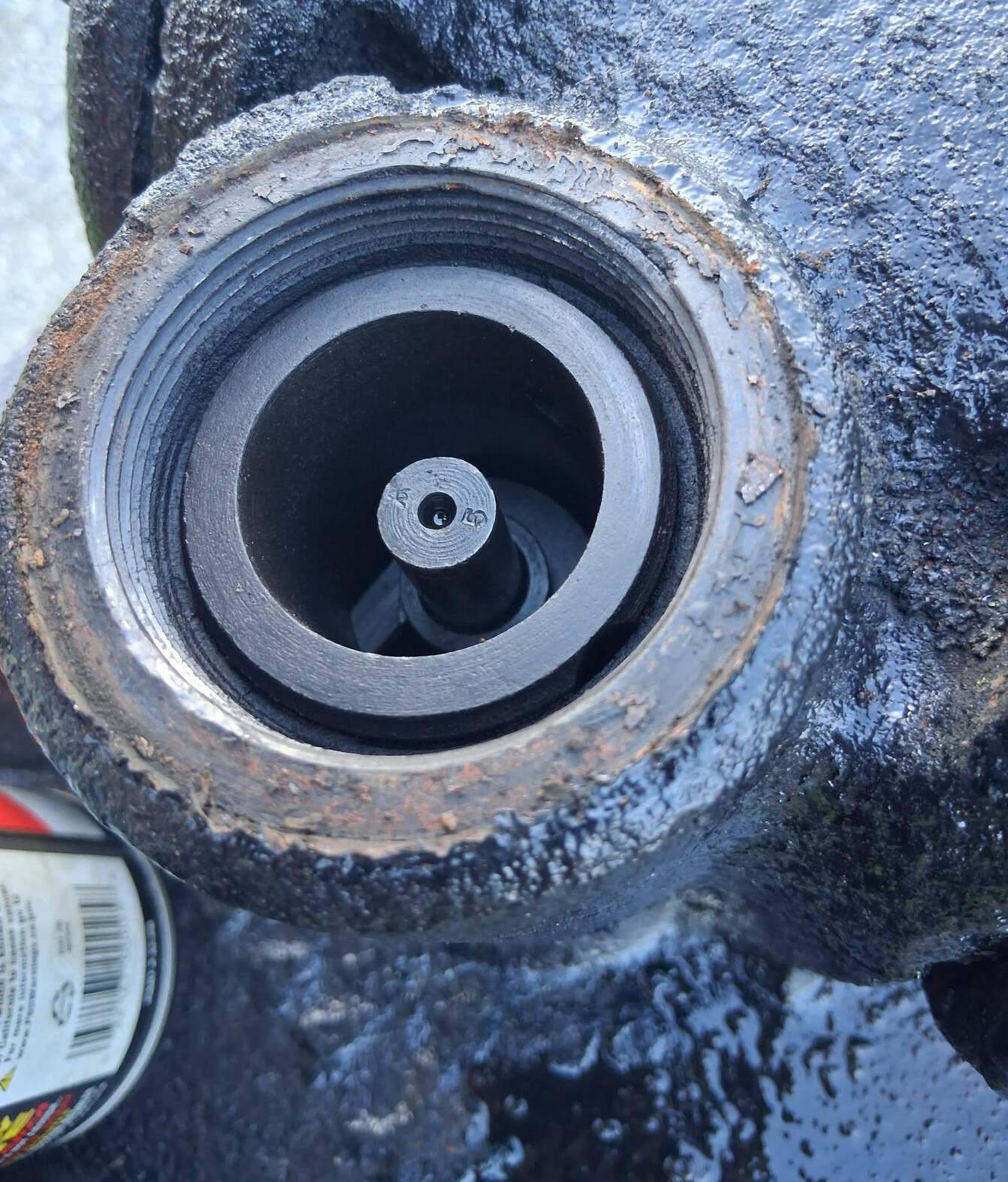
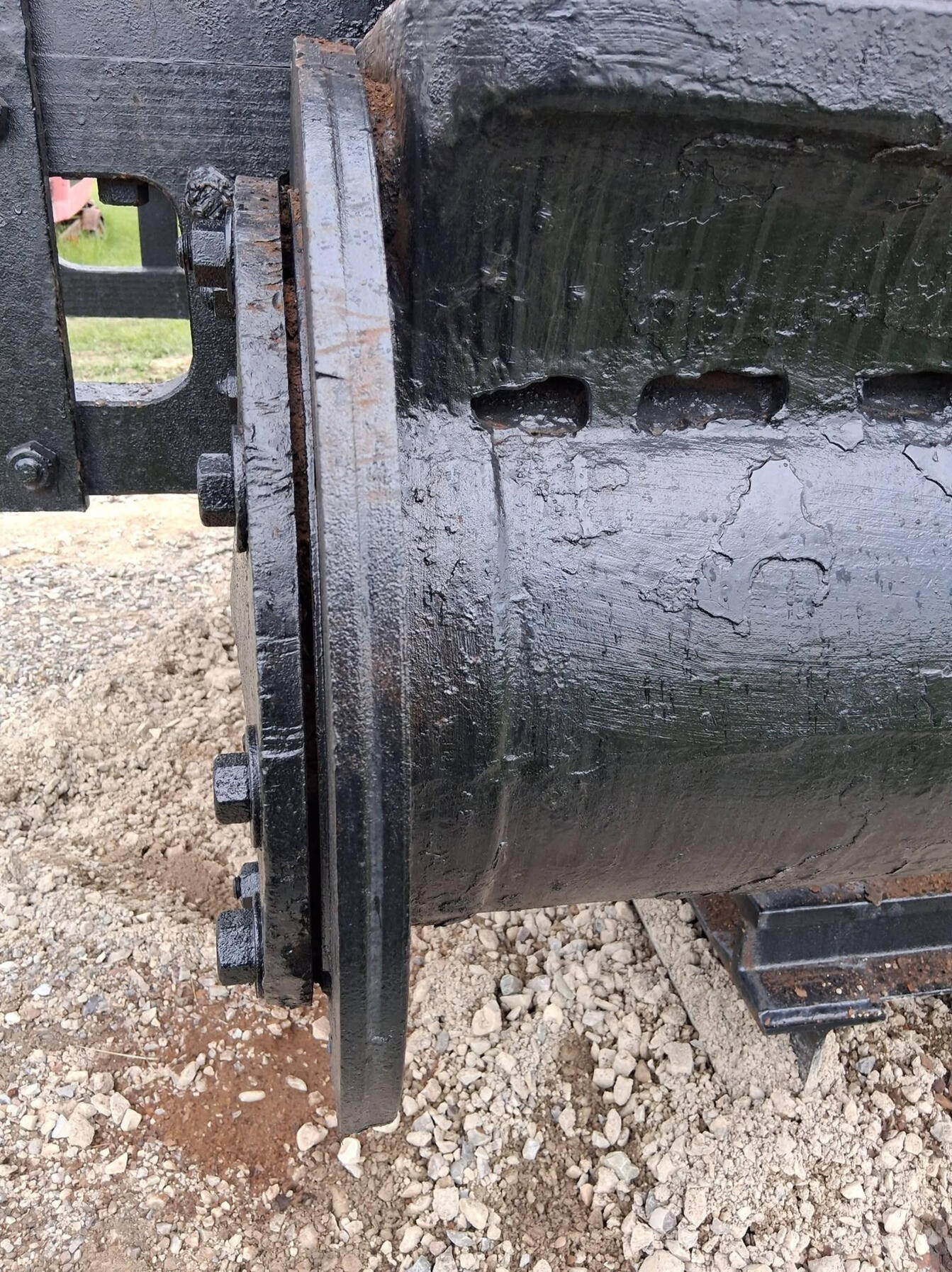
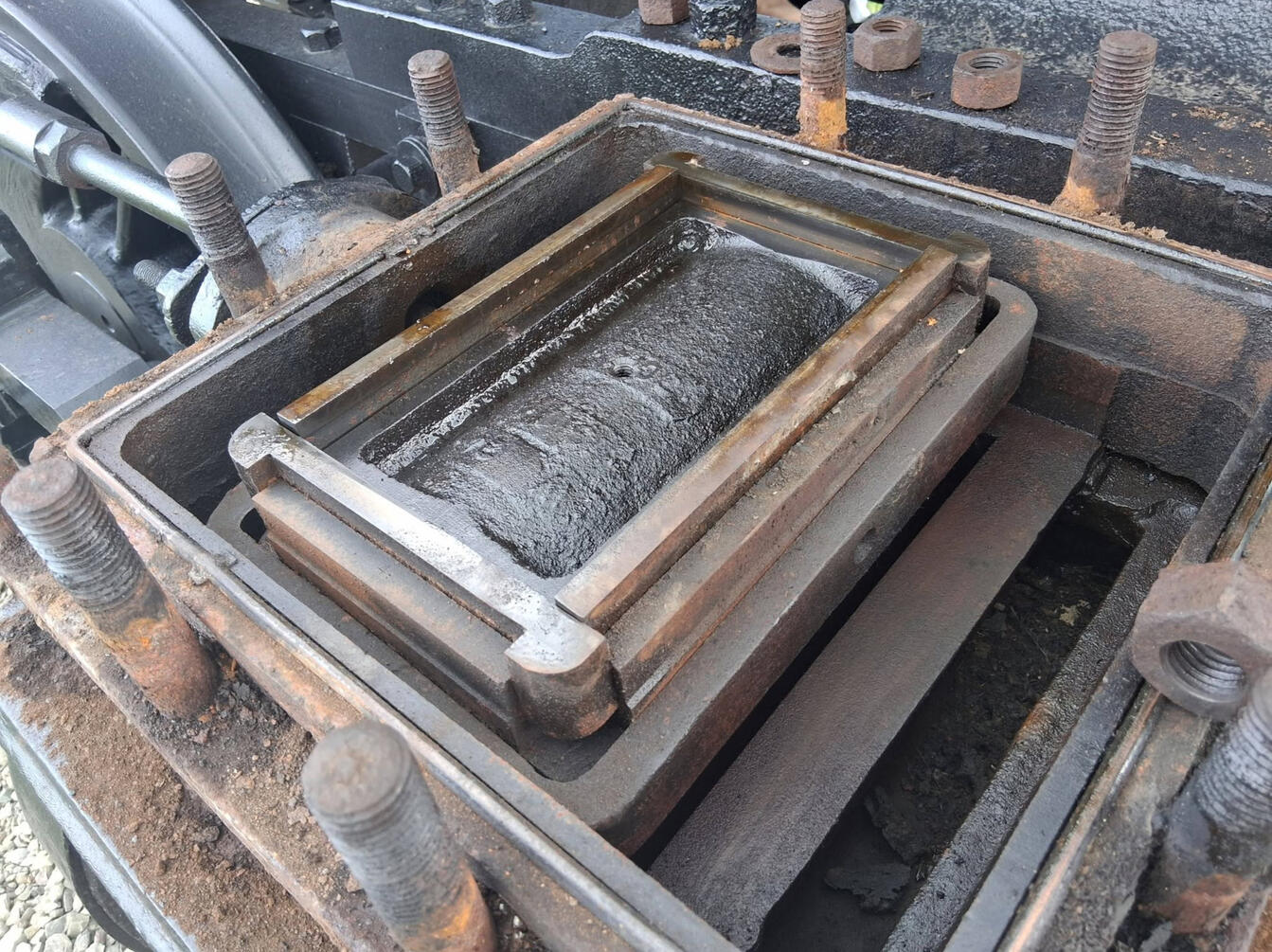
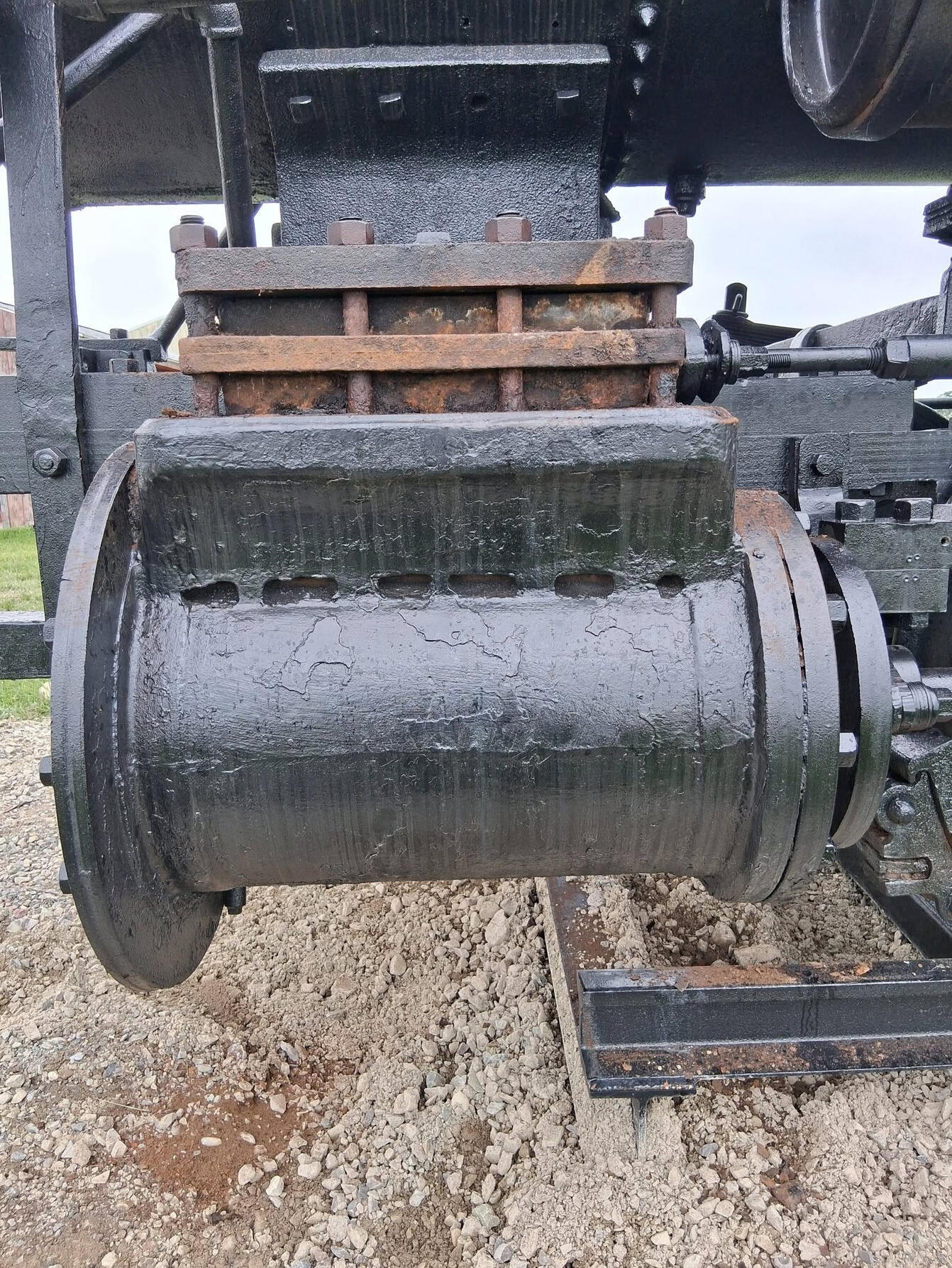
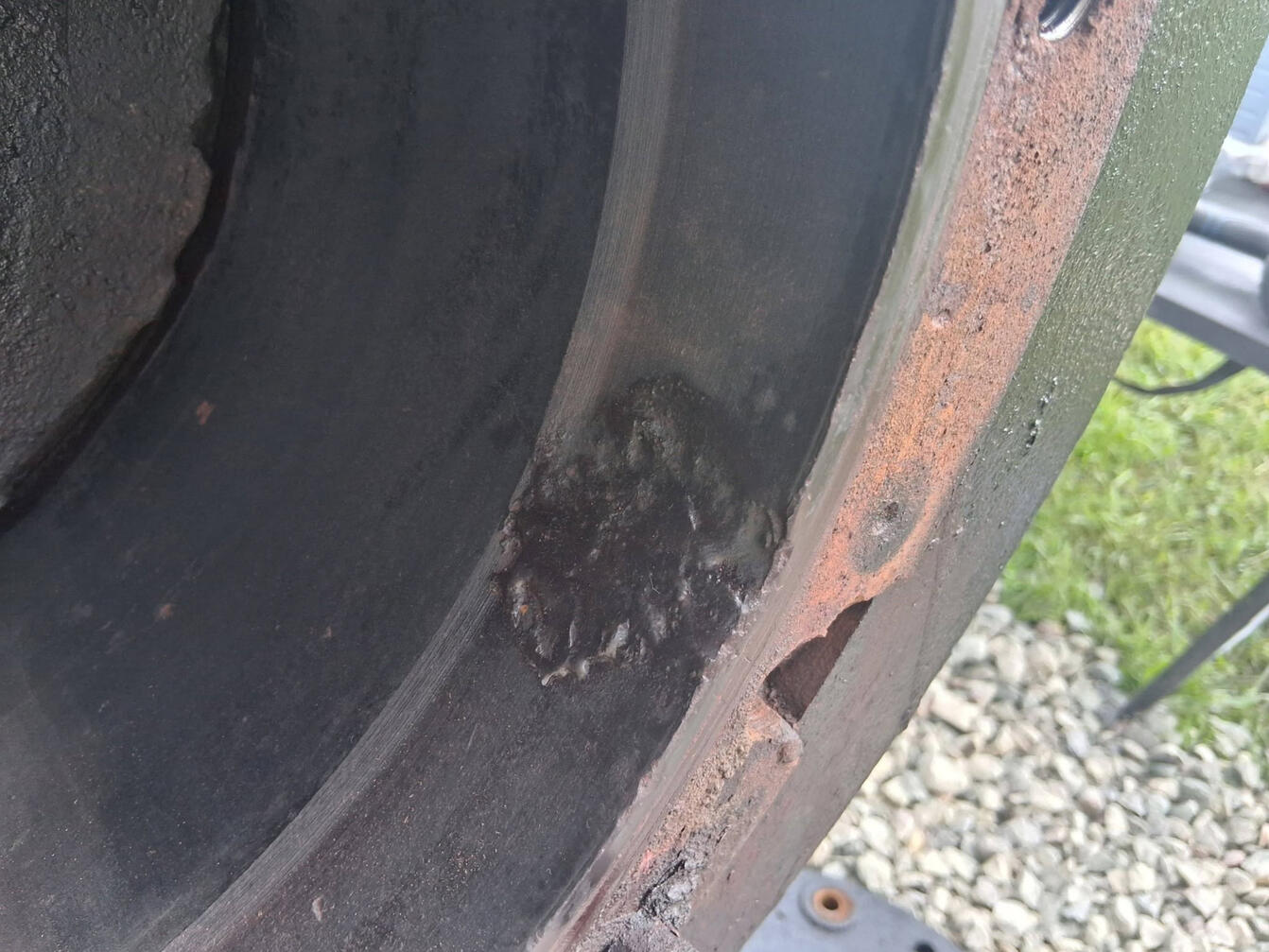
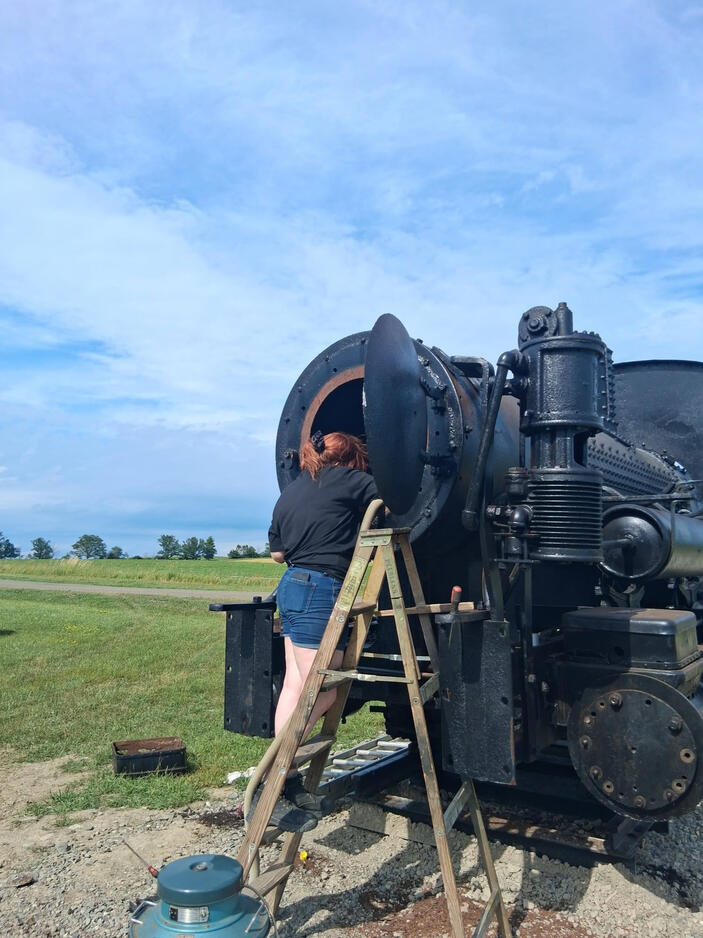
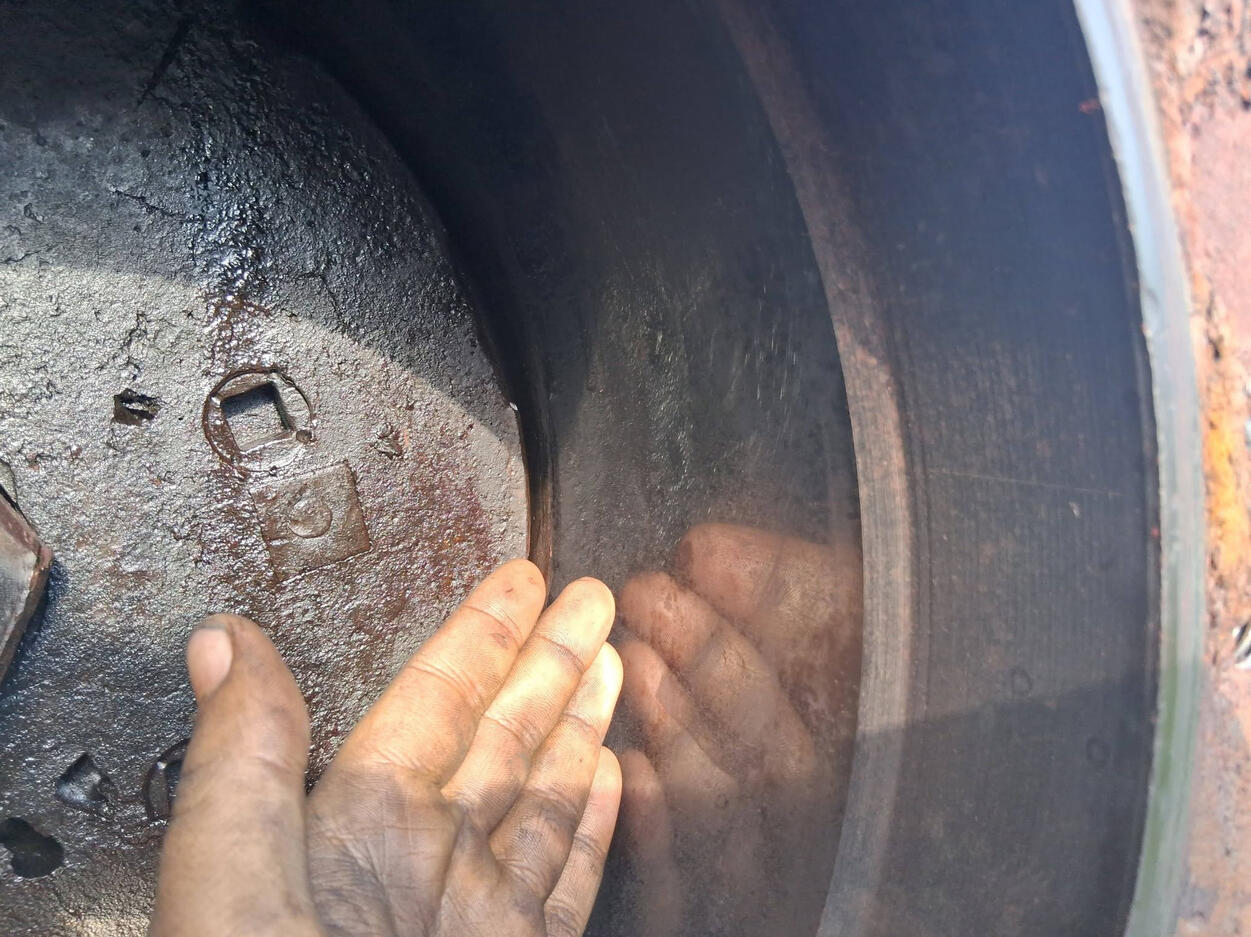
6/28/26We opened up the cylinders and valve chests to check their condition. While things will certainly come apart and be cleaned, surfaced, honed, machined. We've been told that there are some operating locomotives with surfaces/running gear wear worse than ours.
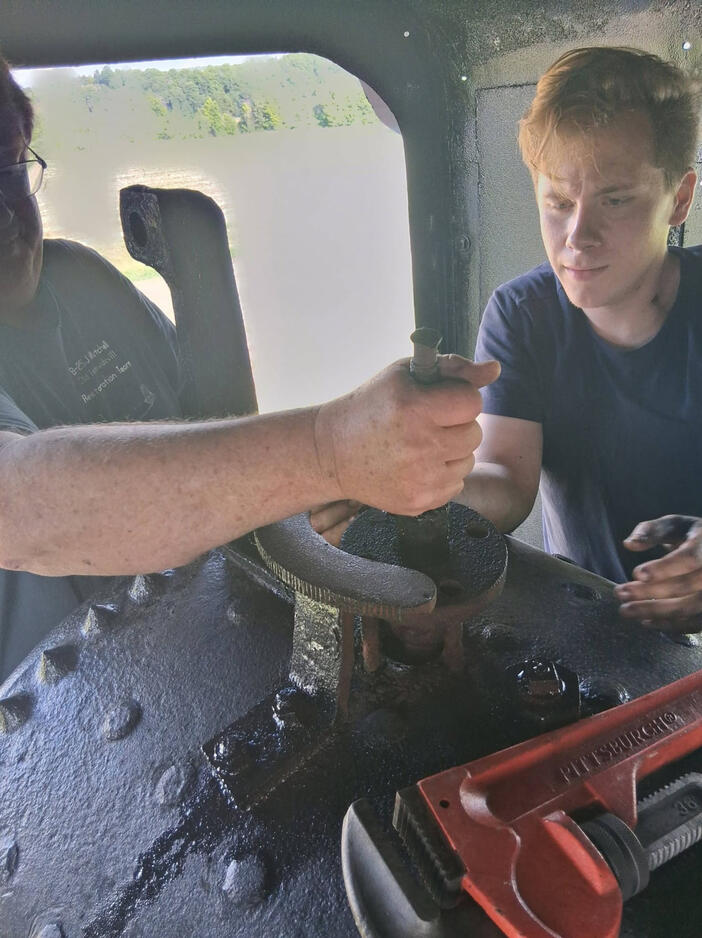
Almost every bolt has been coming off easily, and we haven't had to take the hot wrench out once yet. Sitting inside for so many years of its life post operation is certainly working in our favor.
There is evidence that the locomotive wrecked at some point, either partially or fully rolling onto its side. This is evident with the cracked cylinder casting on the fireman's side. This has already been repaired with some old school methods of shrink pressing a ring around the casting as well as brazing the crack in the bore. It has likely ran with this repair for decades. Other than putting in a pilot drill to prevent the crack from traveling, we plan to leave this as-is since its part of our engines story, and fixing something that isn't broken could lead to a can of worms.
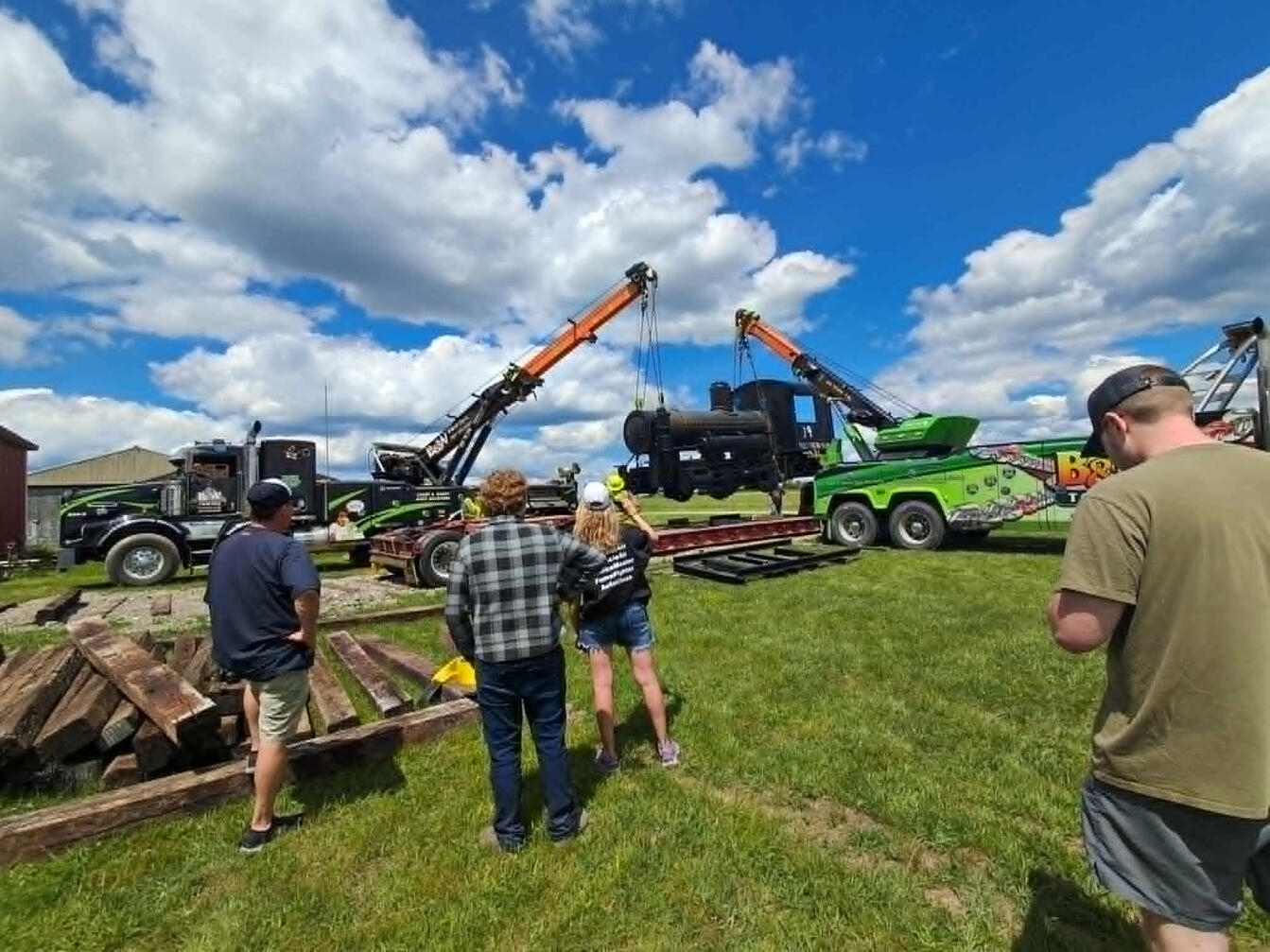
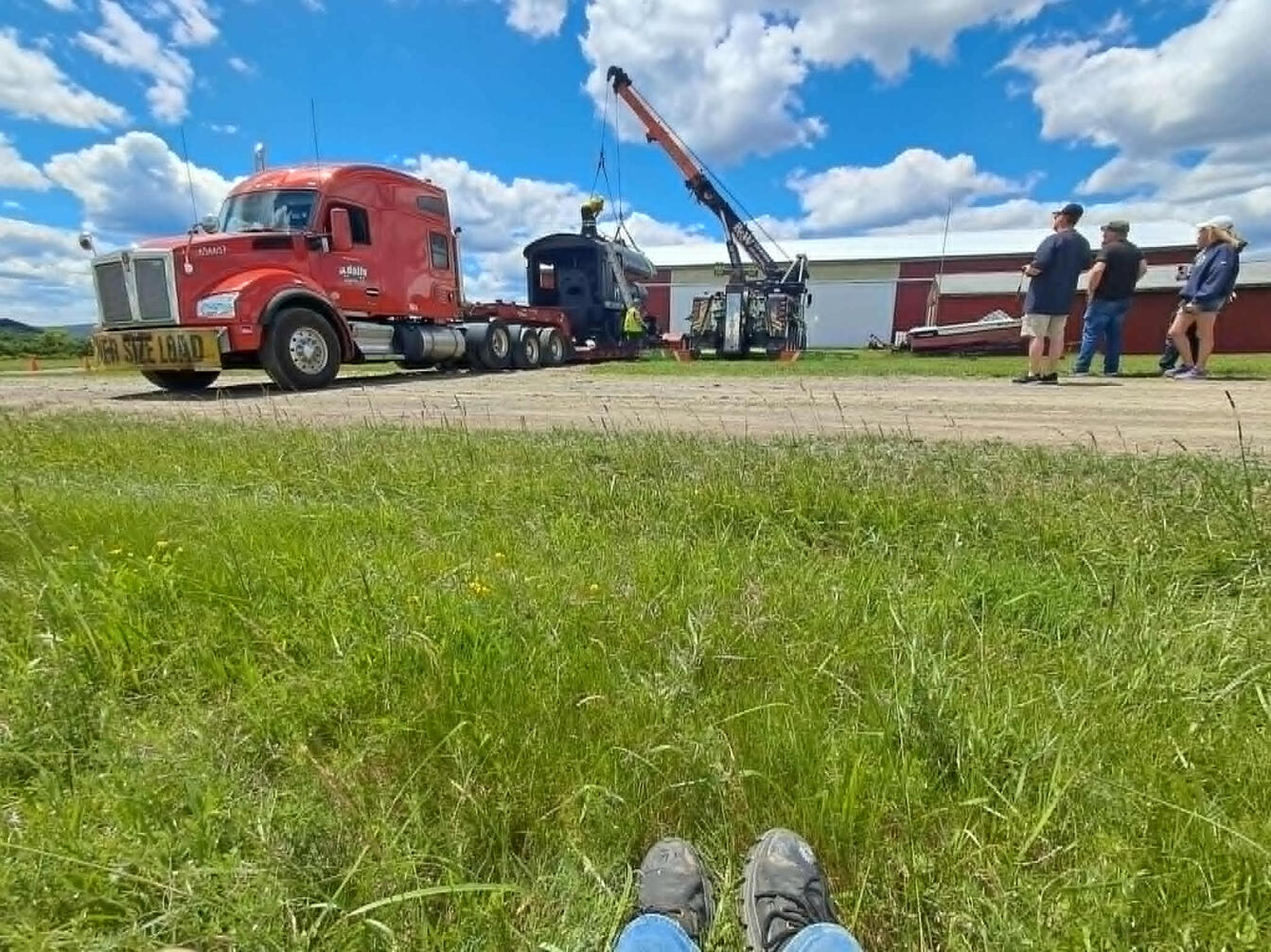
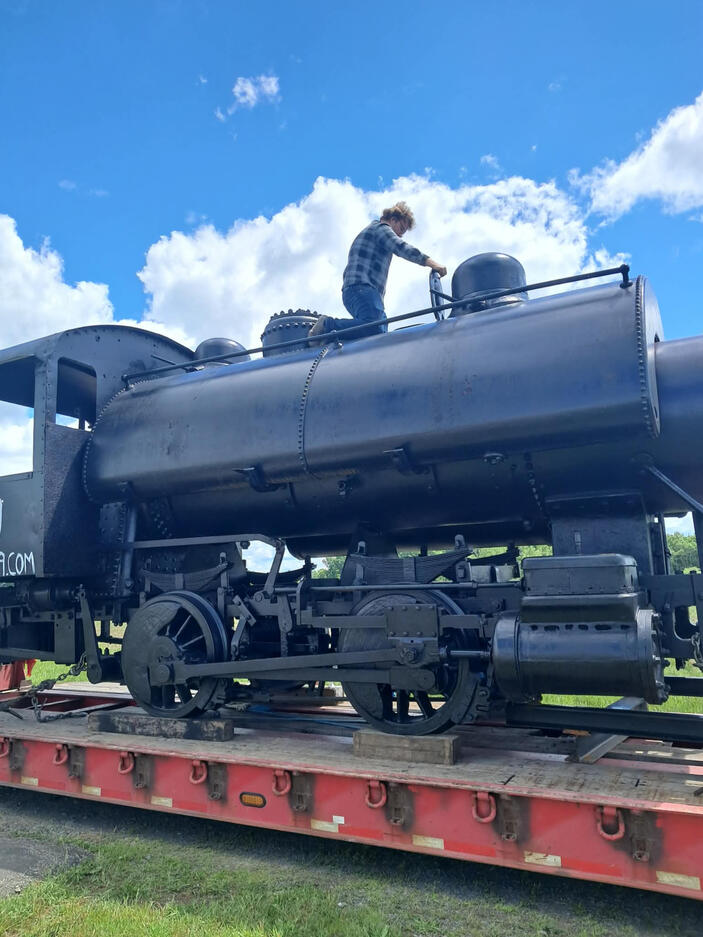
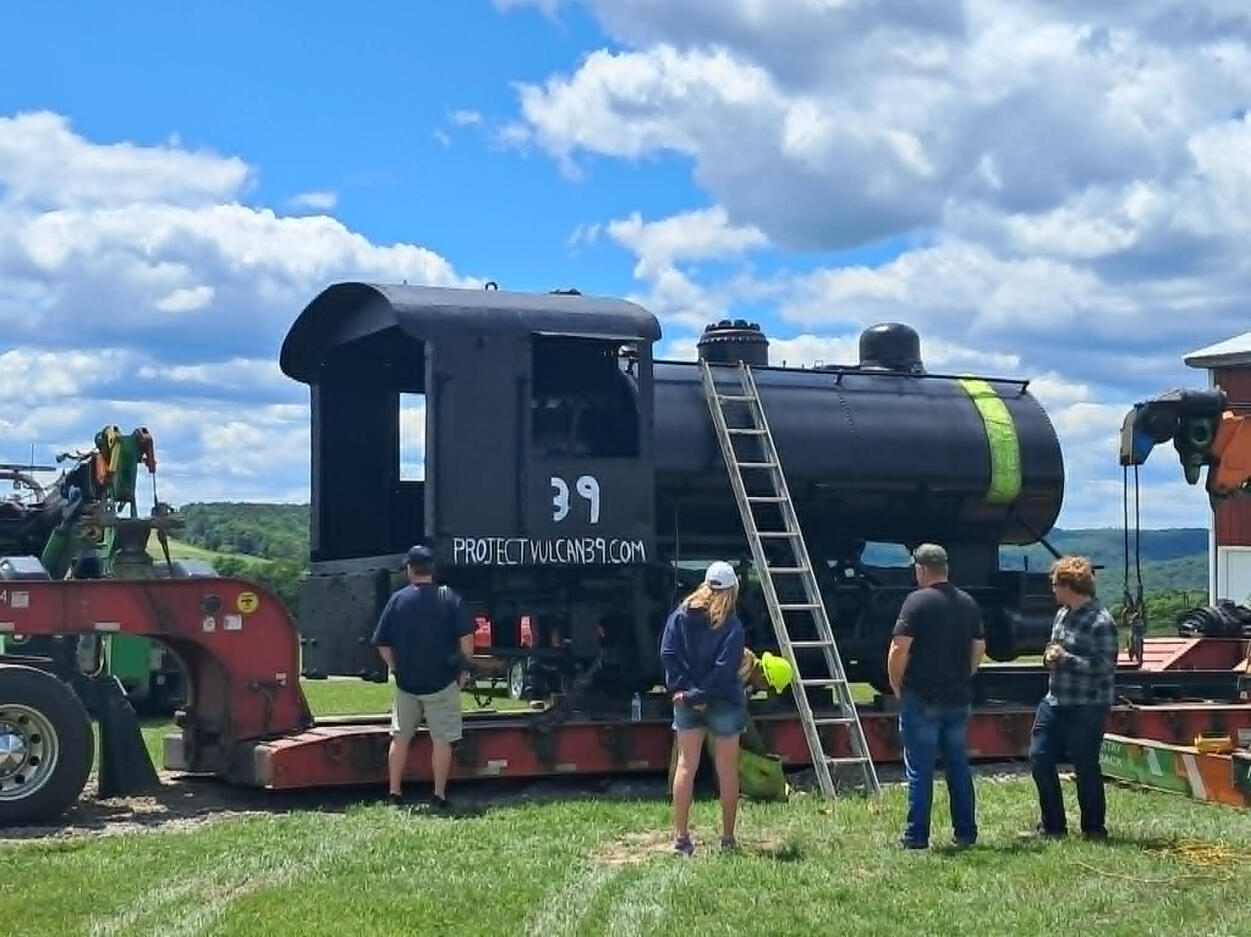
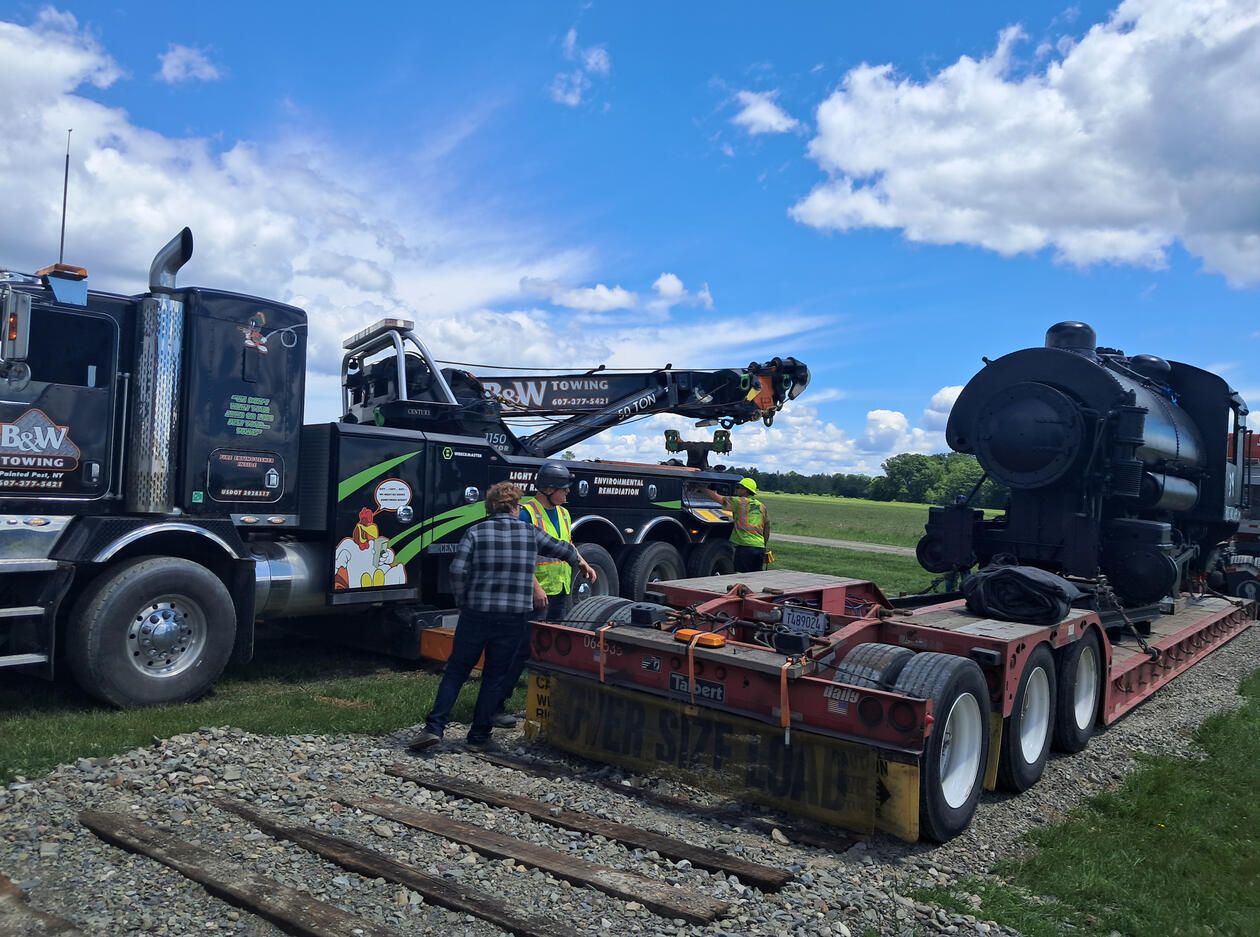
Home at last
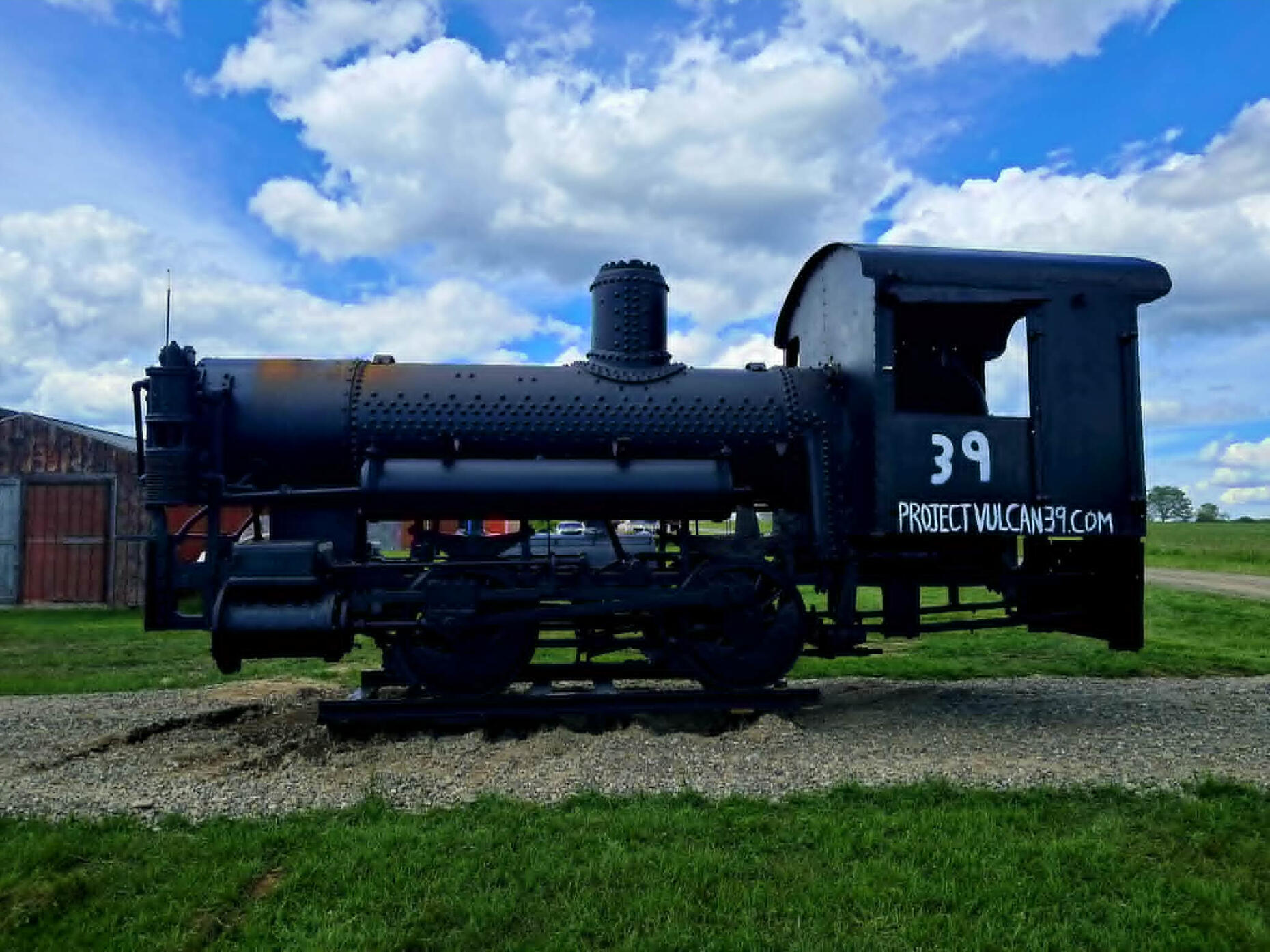
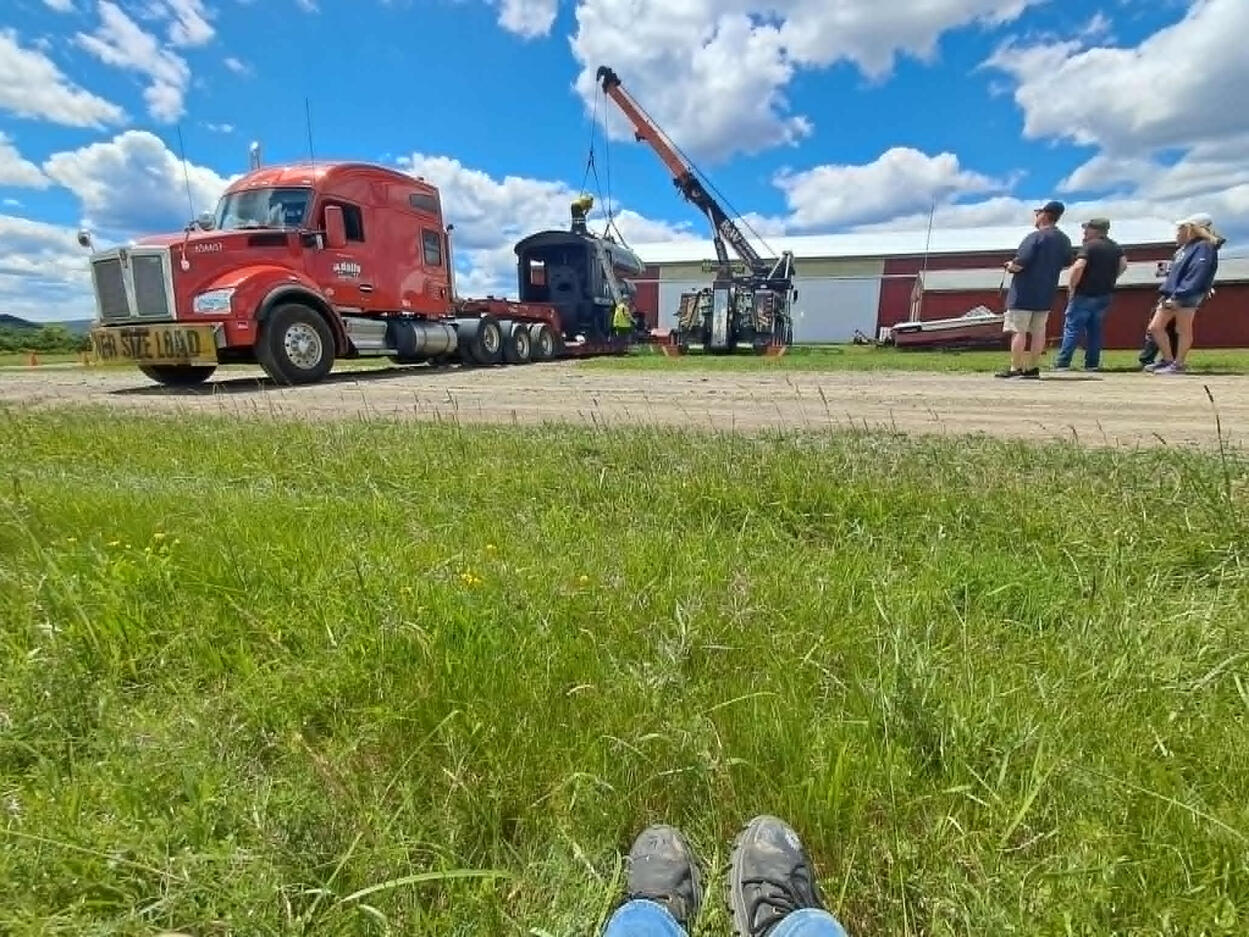
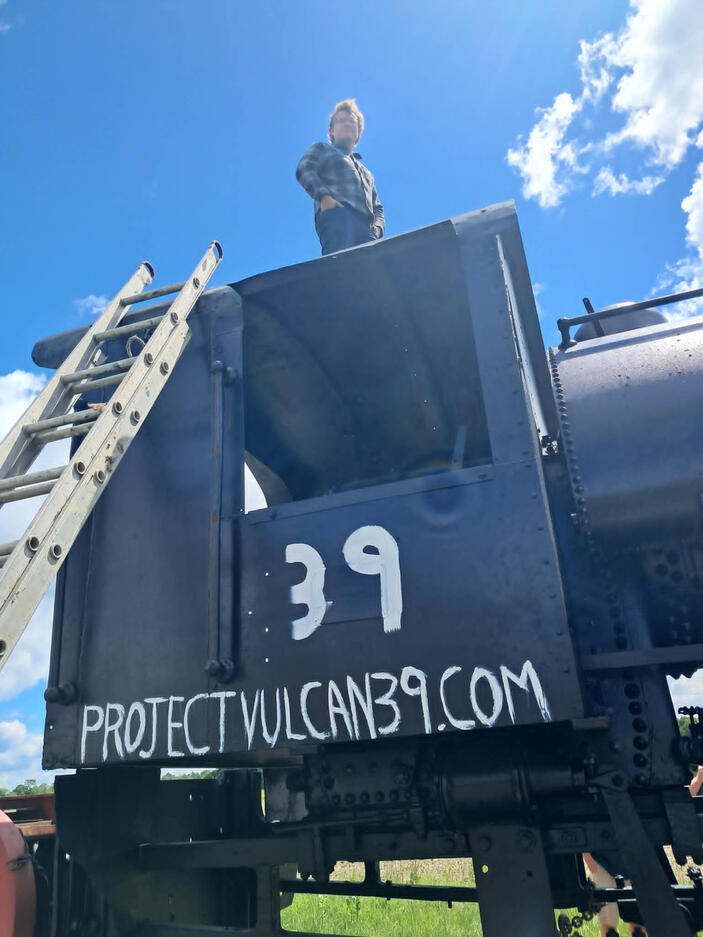
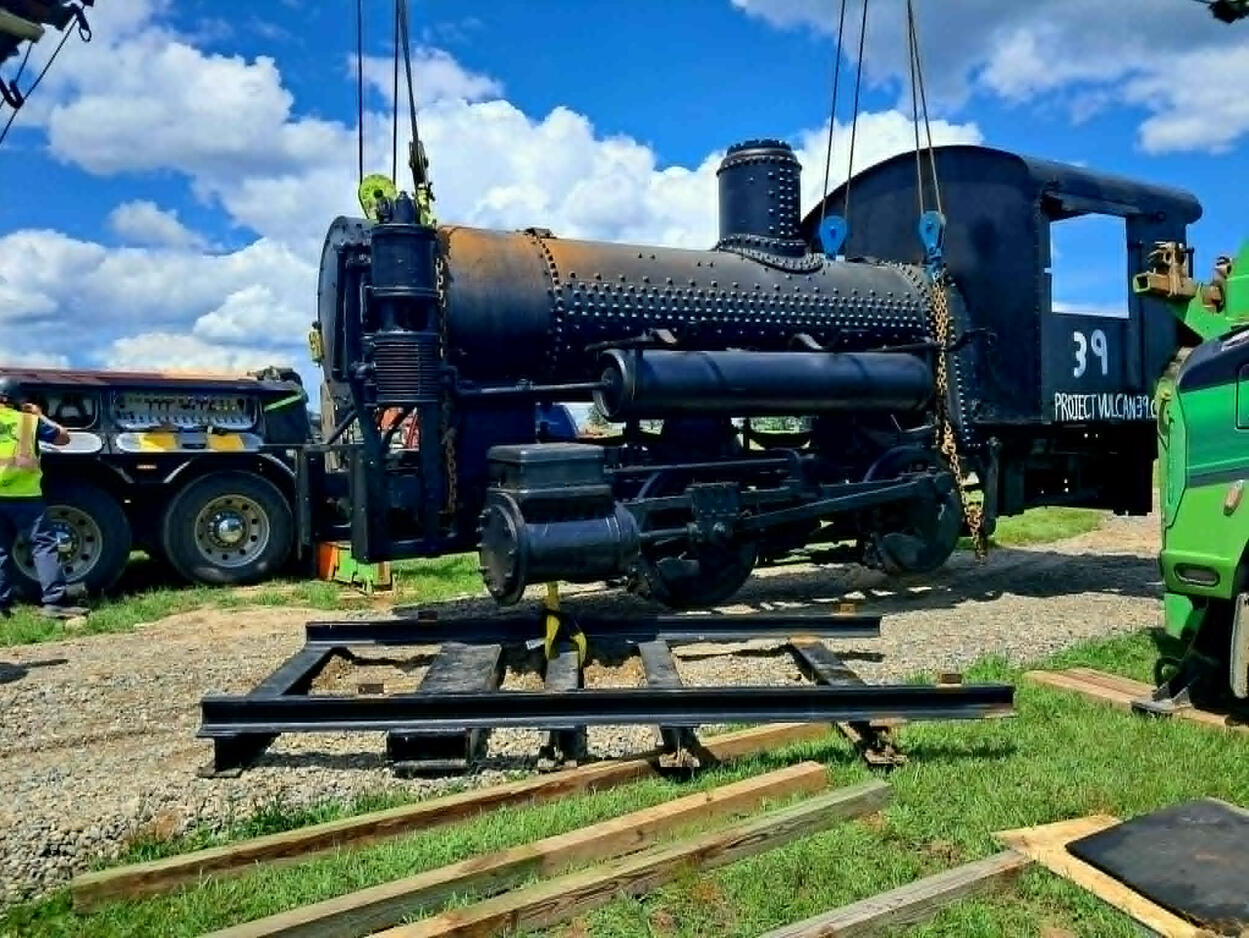
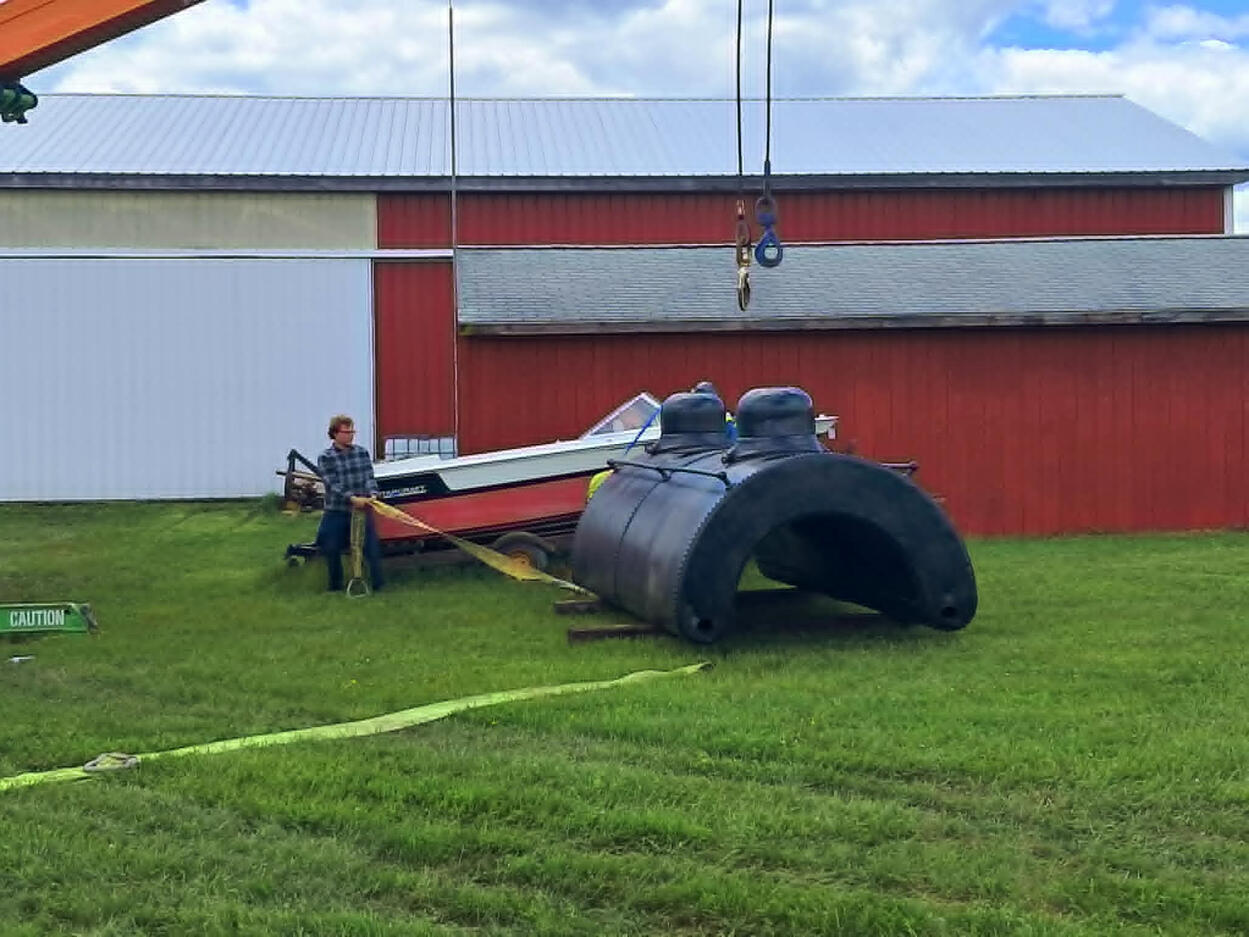
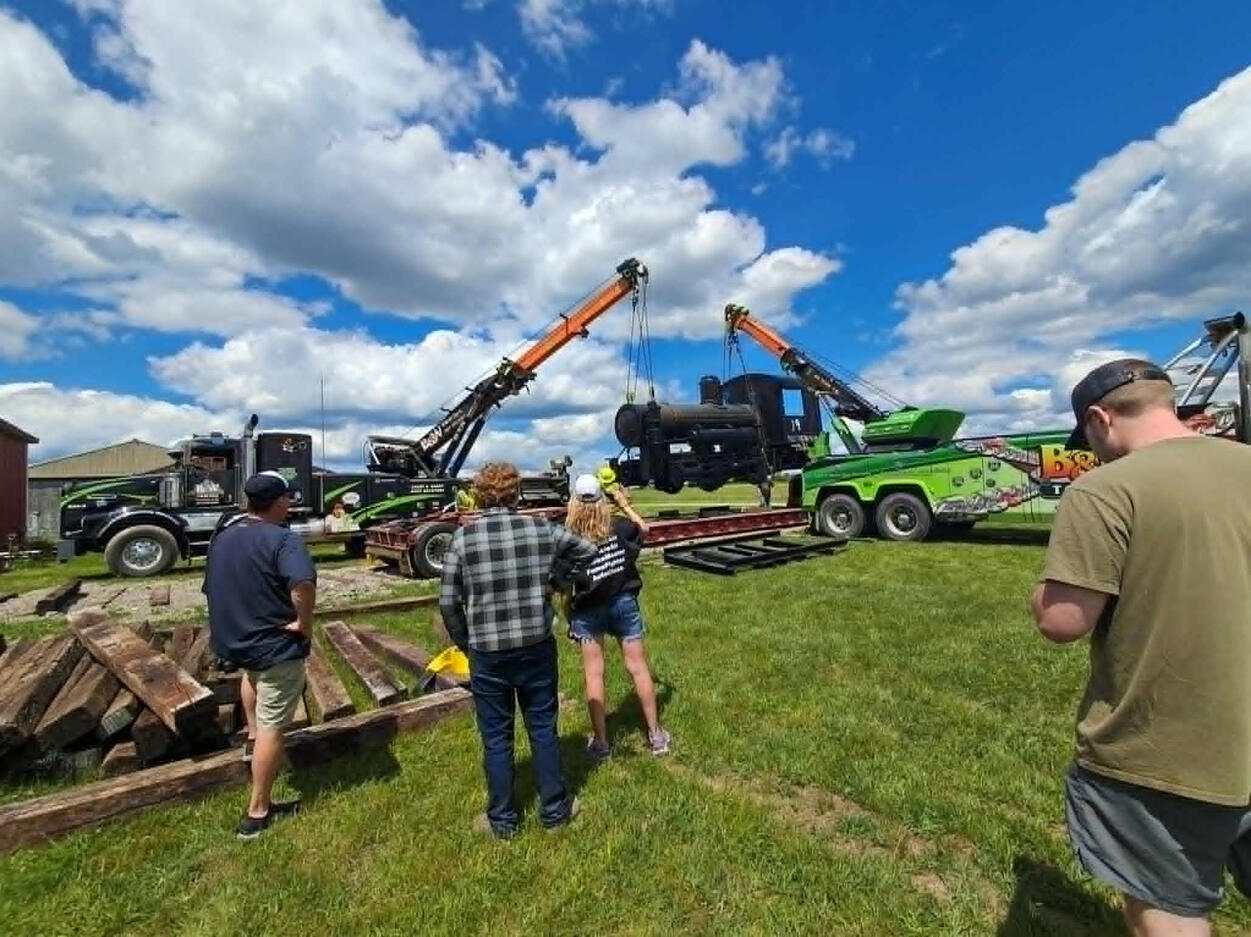
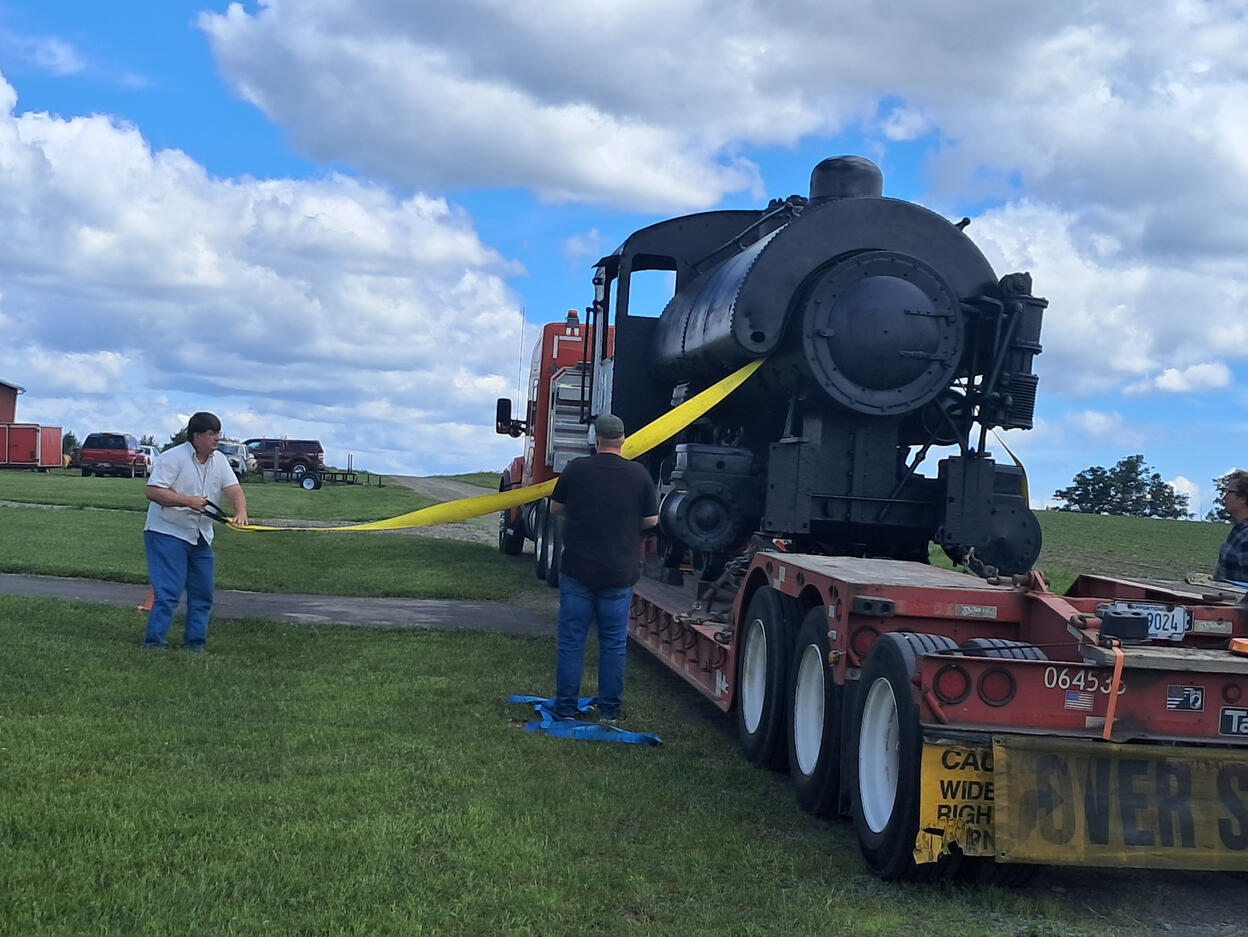
6/24/26engine lifted via two cranes onto temporary panel track at the restoration site
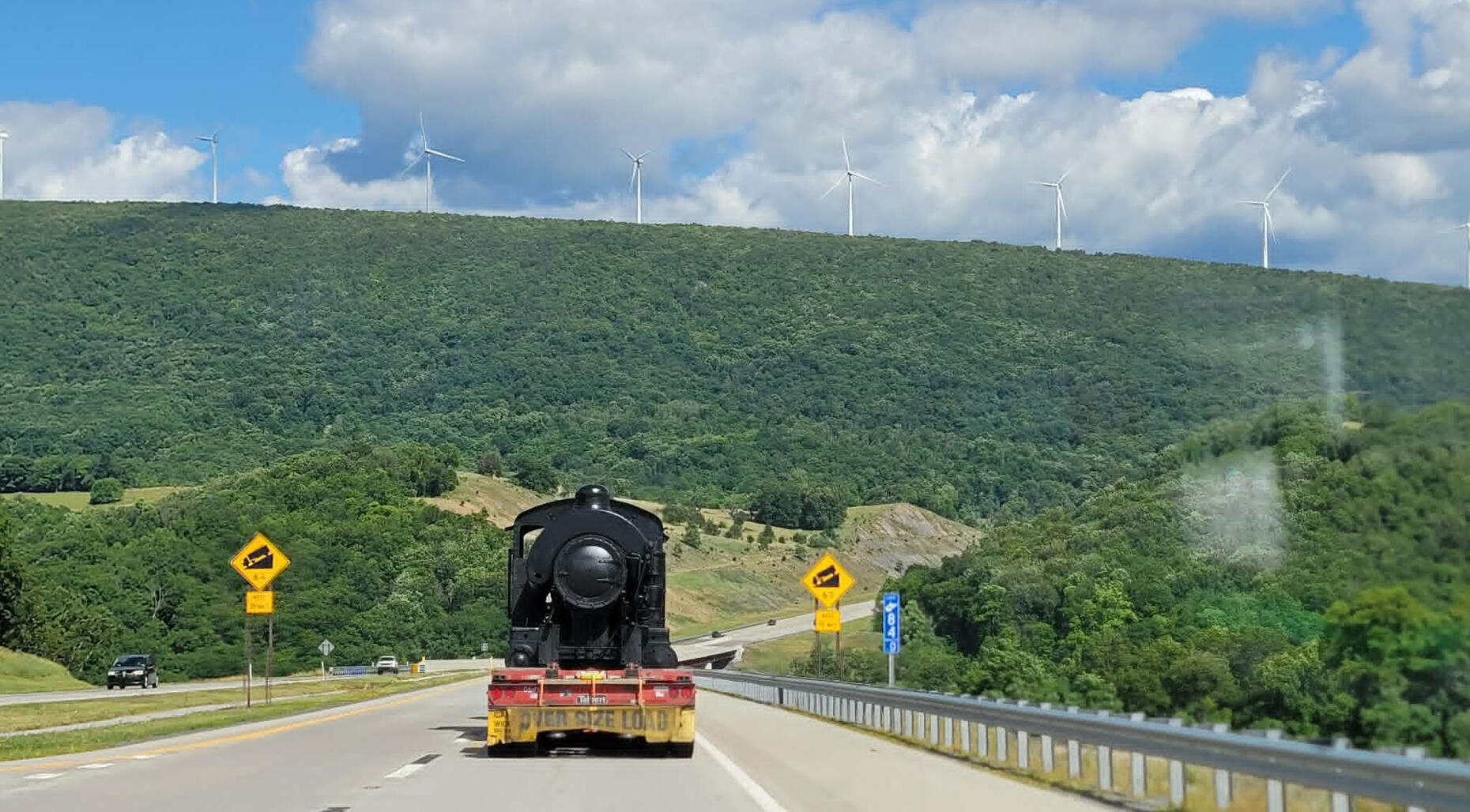
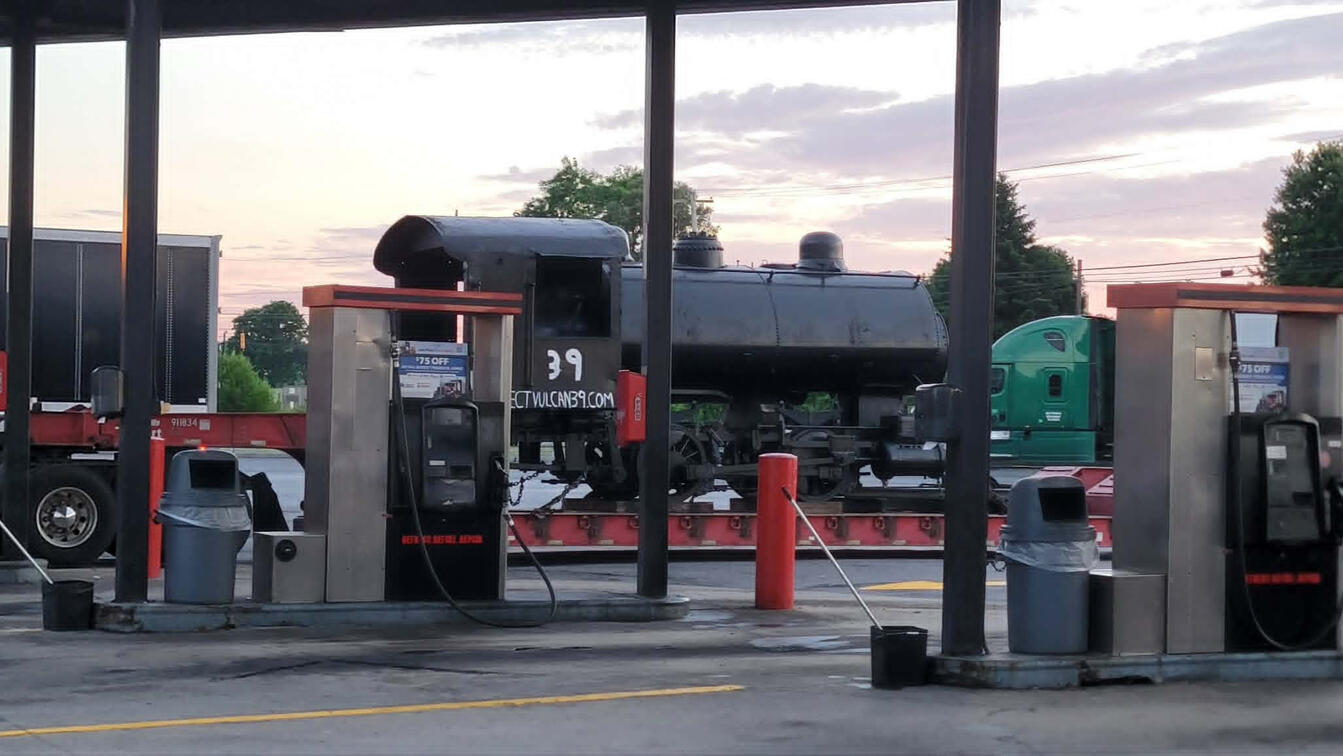
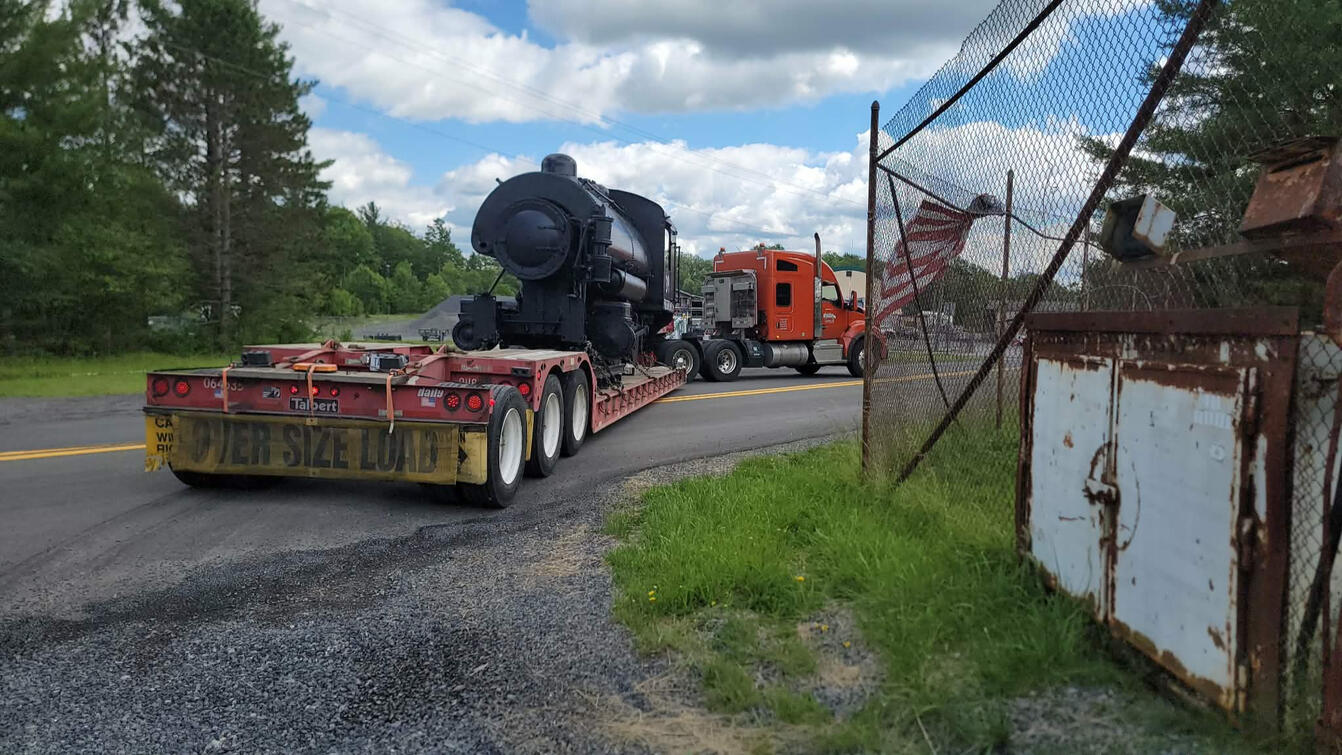
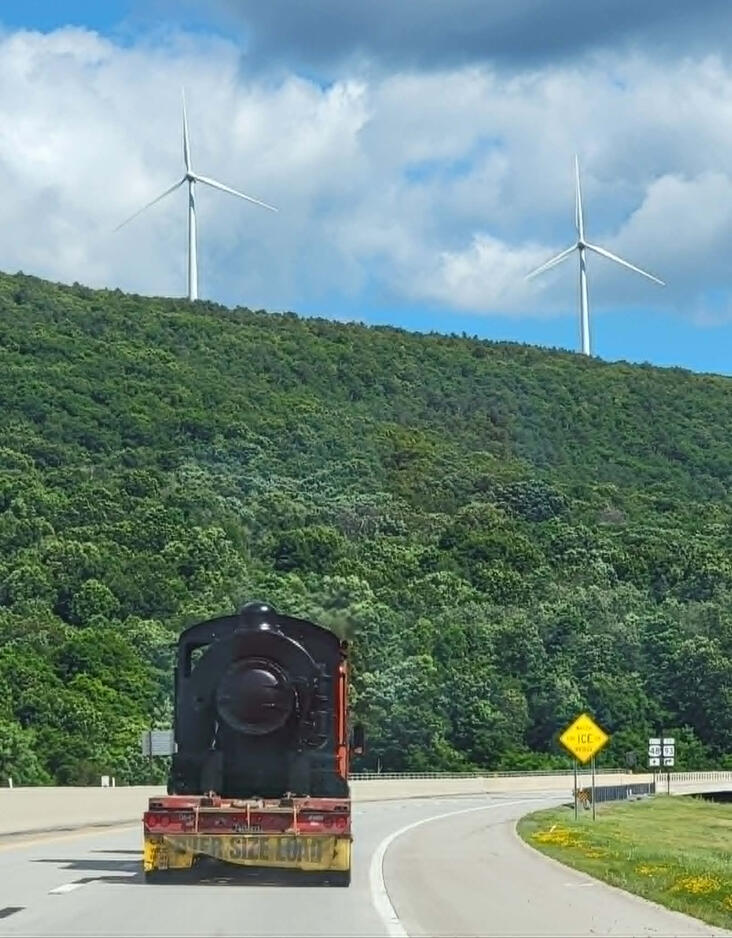
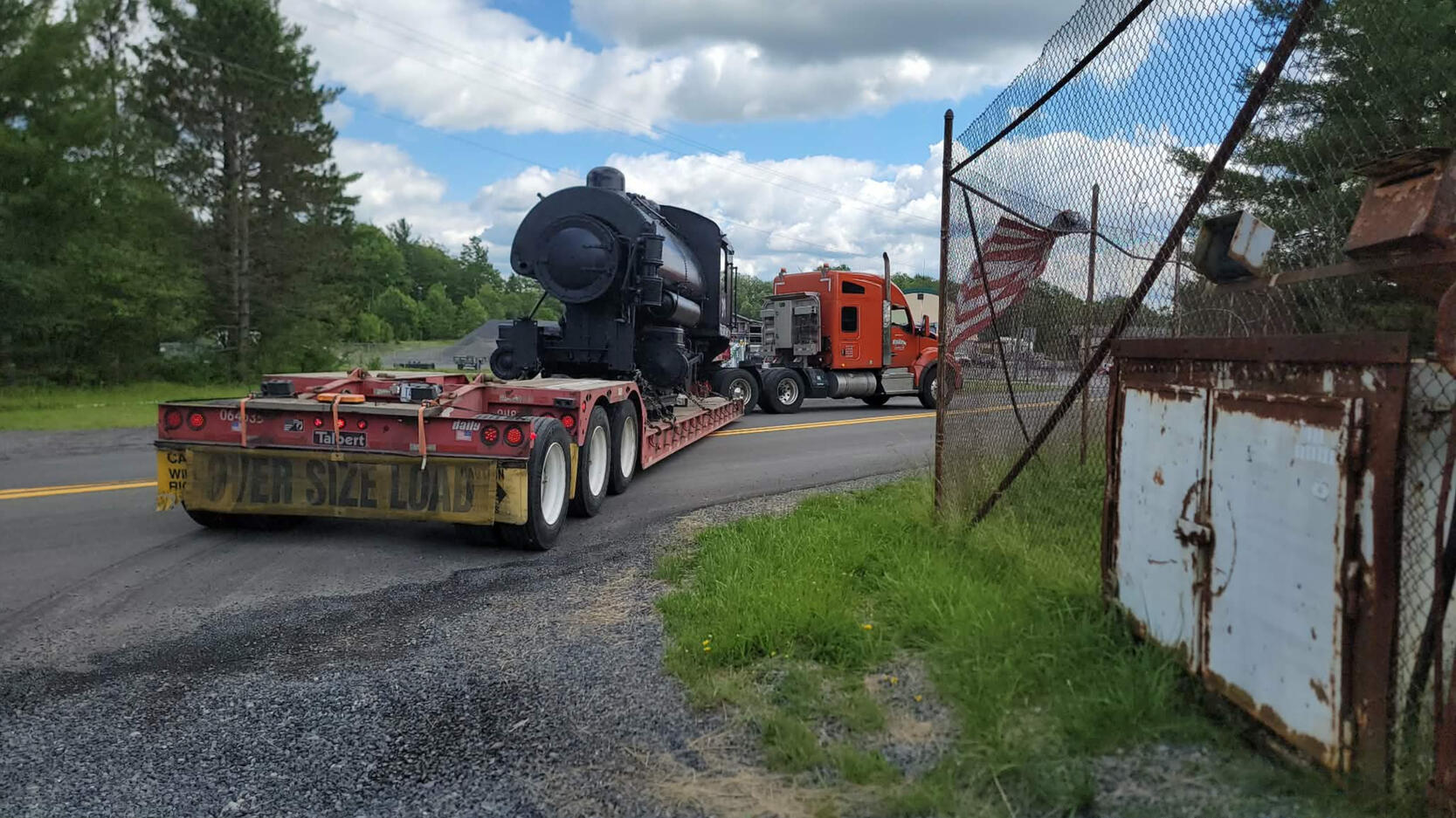
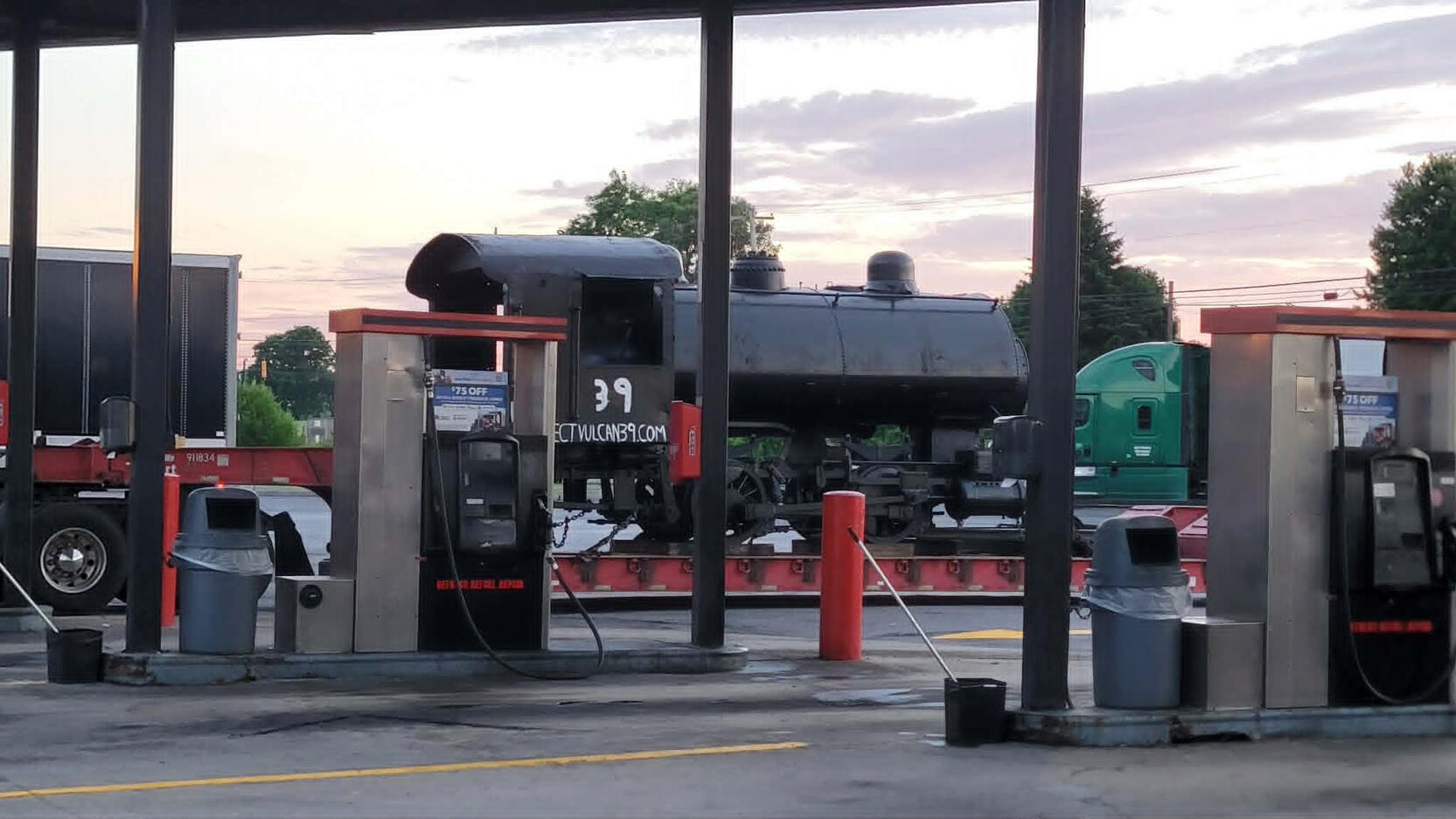
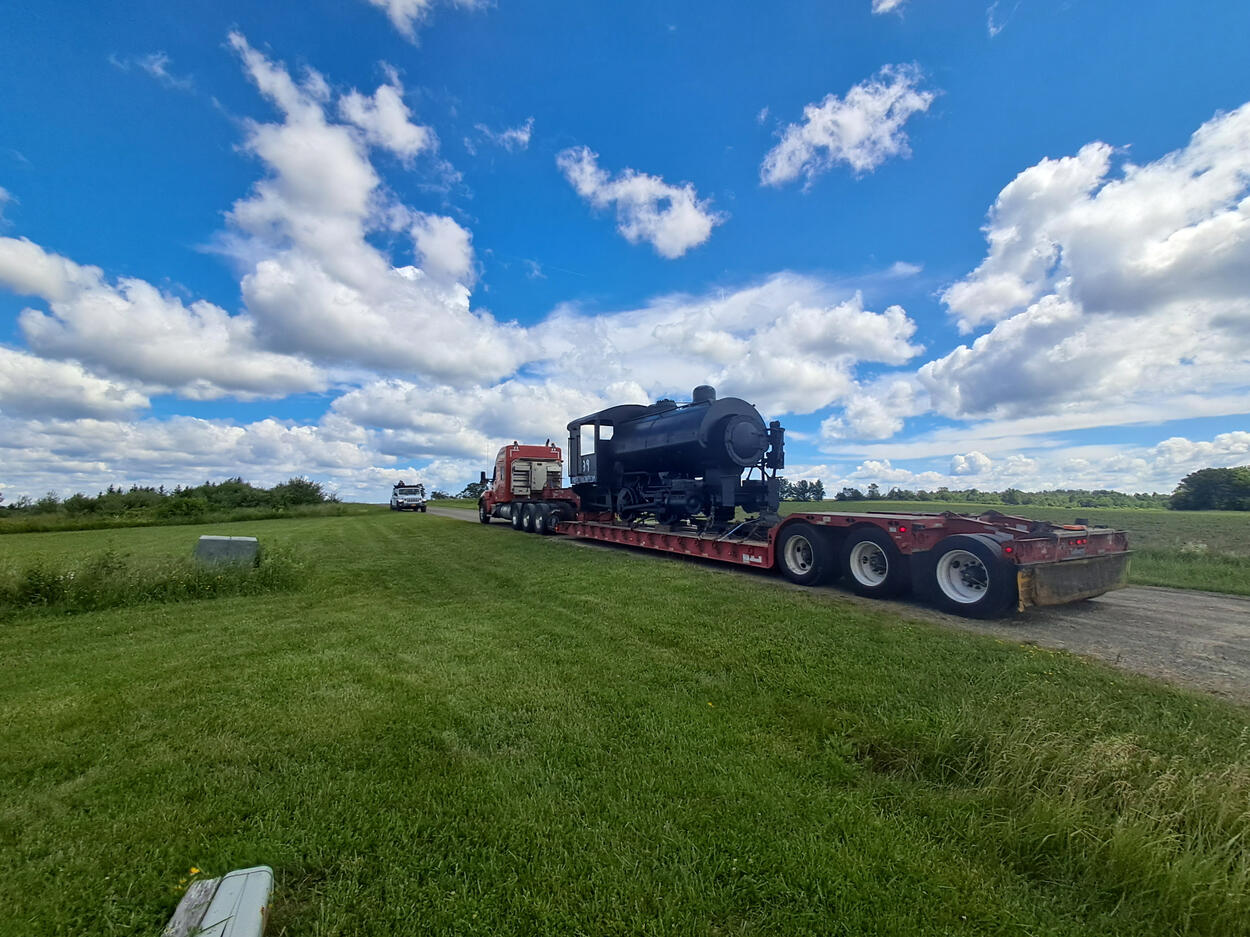
Homeward bound
departing west virginia
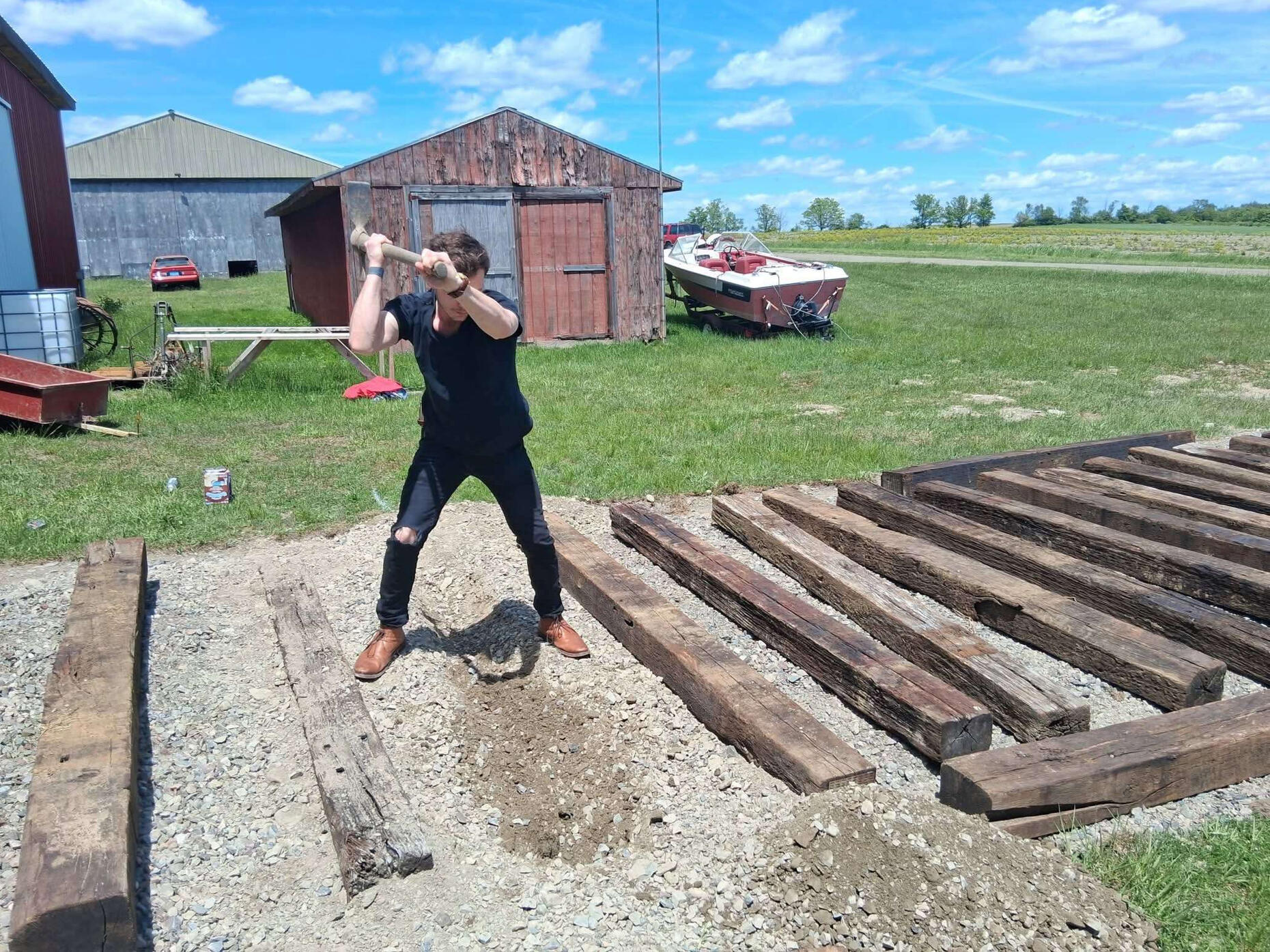
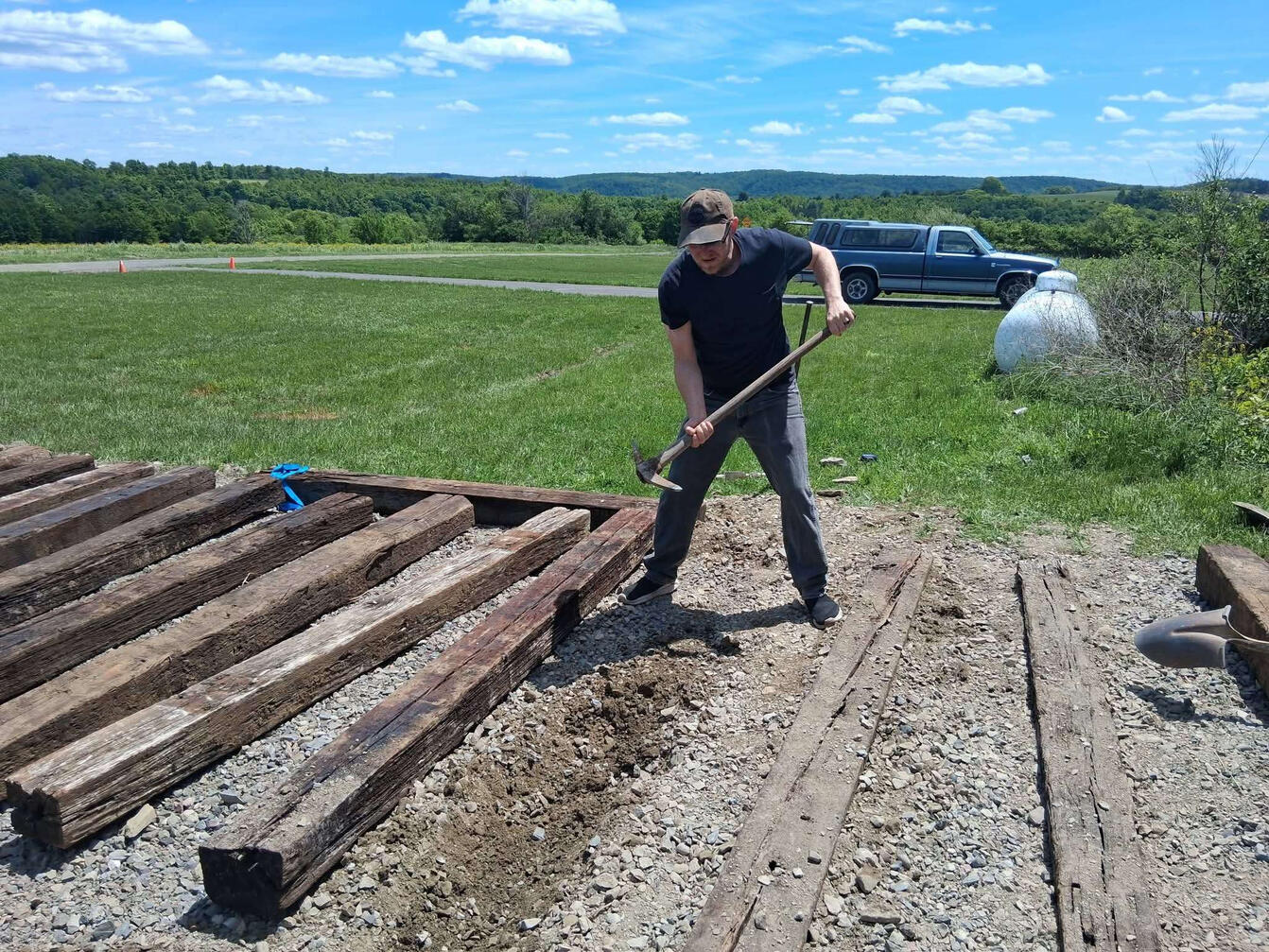
ties acquired
6/10/26sourced from a shortline in pennsylvania. rails soon to follow!
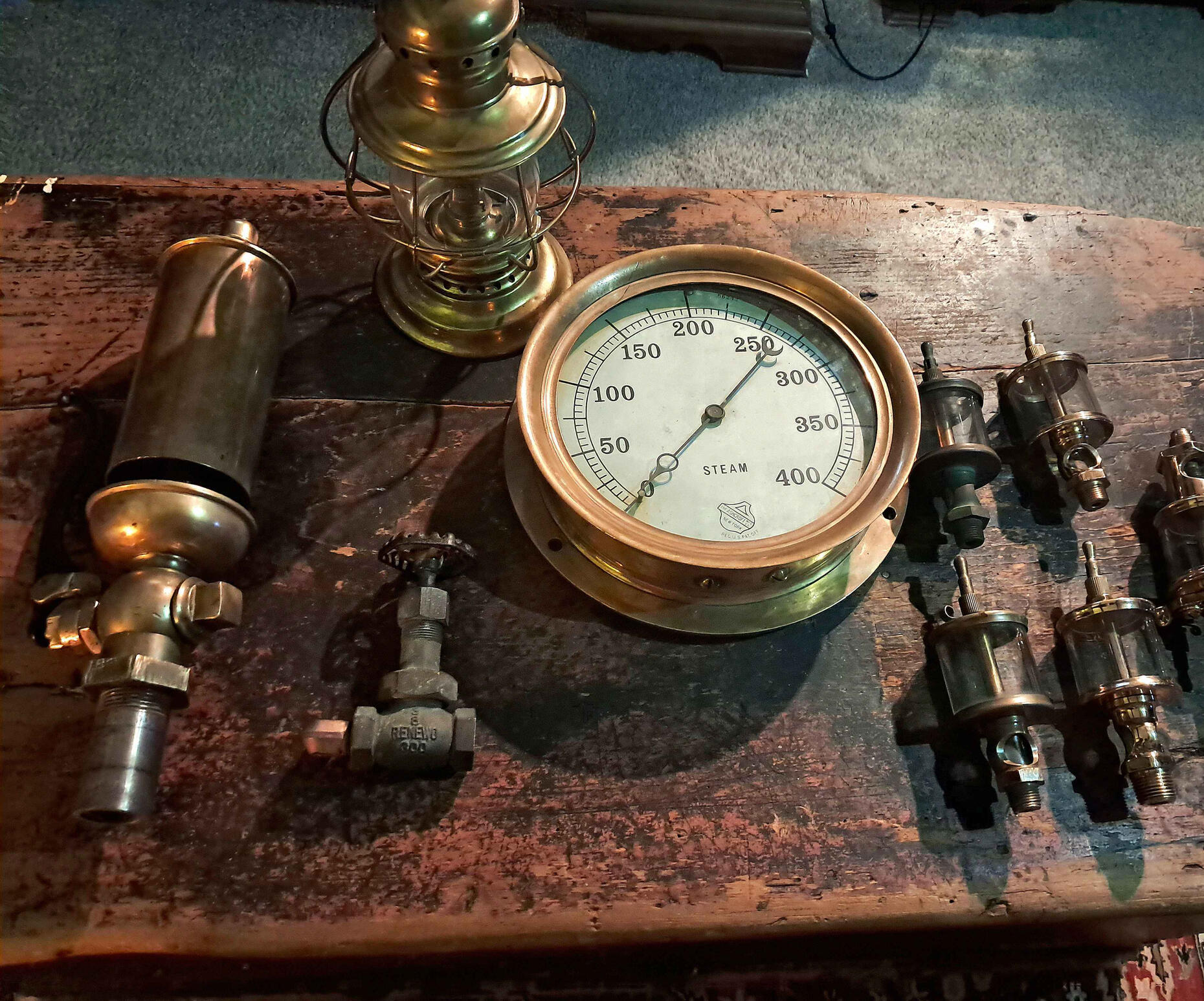
our first appliances
5/23/26-5 brass drip oilers
-1 lunkenheimer single chime whistle
- 1 Ashcroft main steam pressure gauge
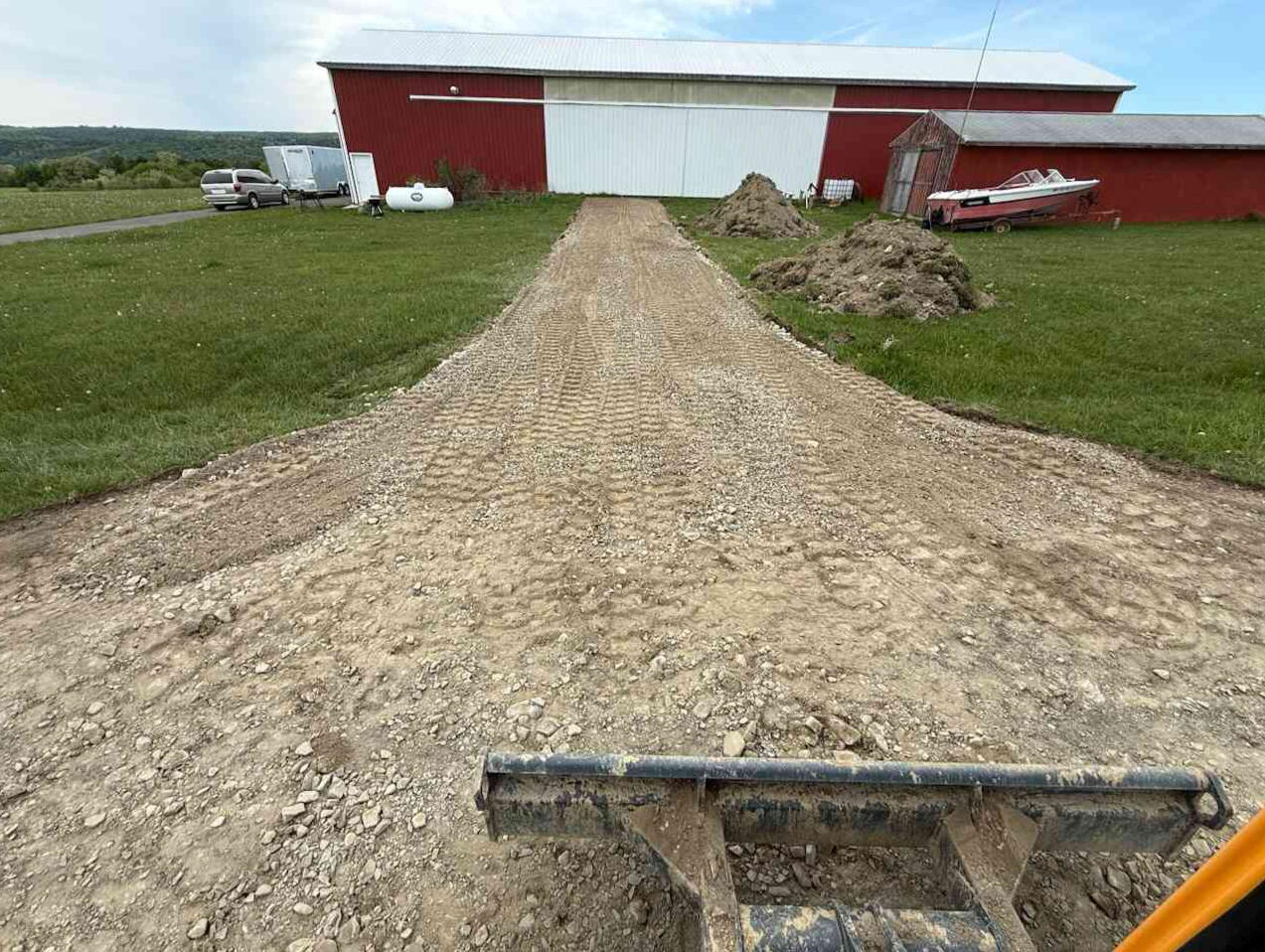
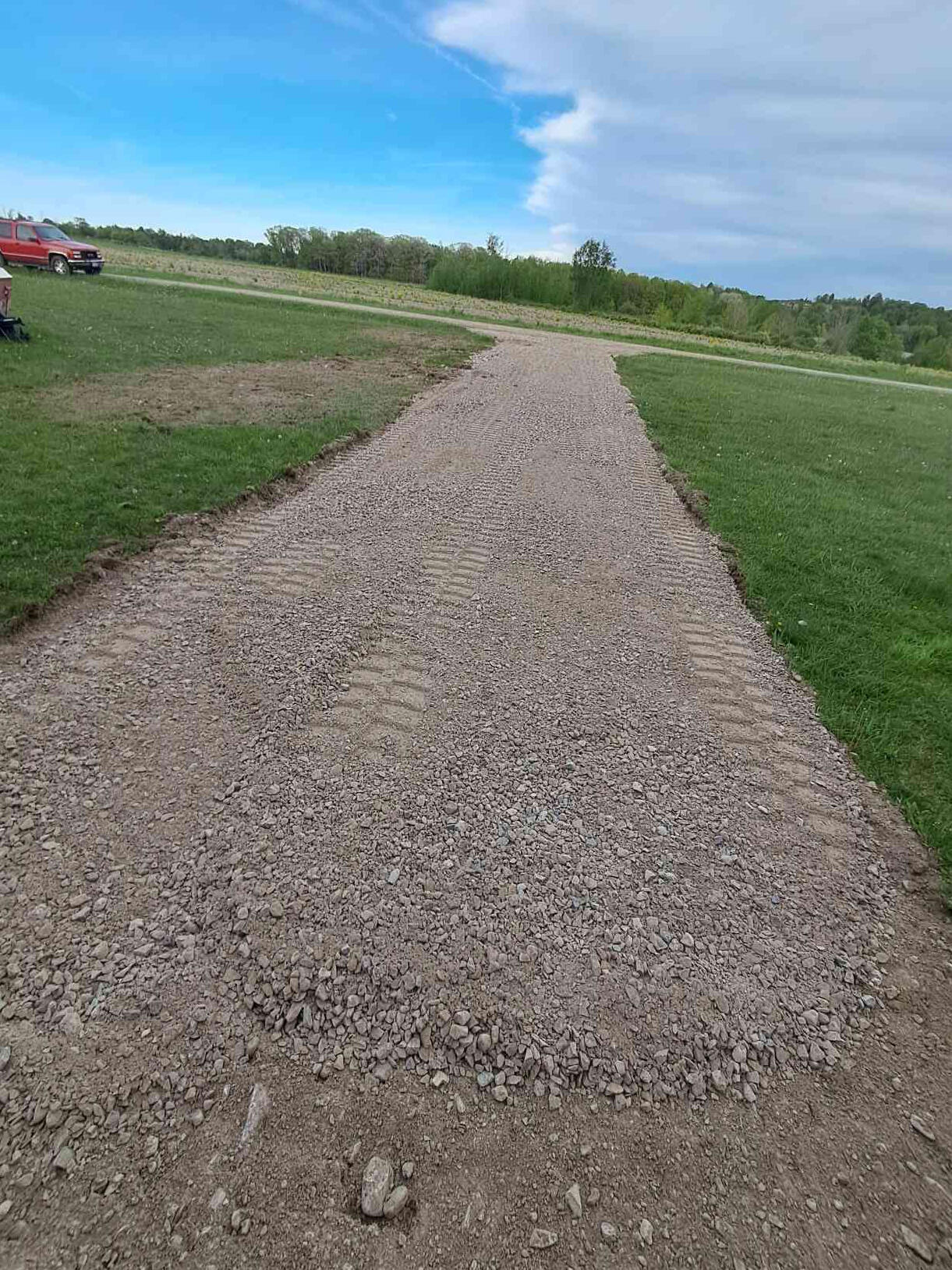
Ballast laid
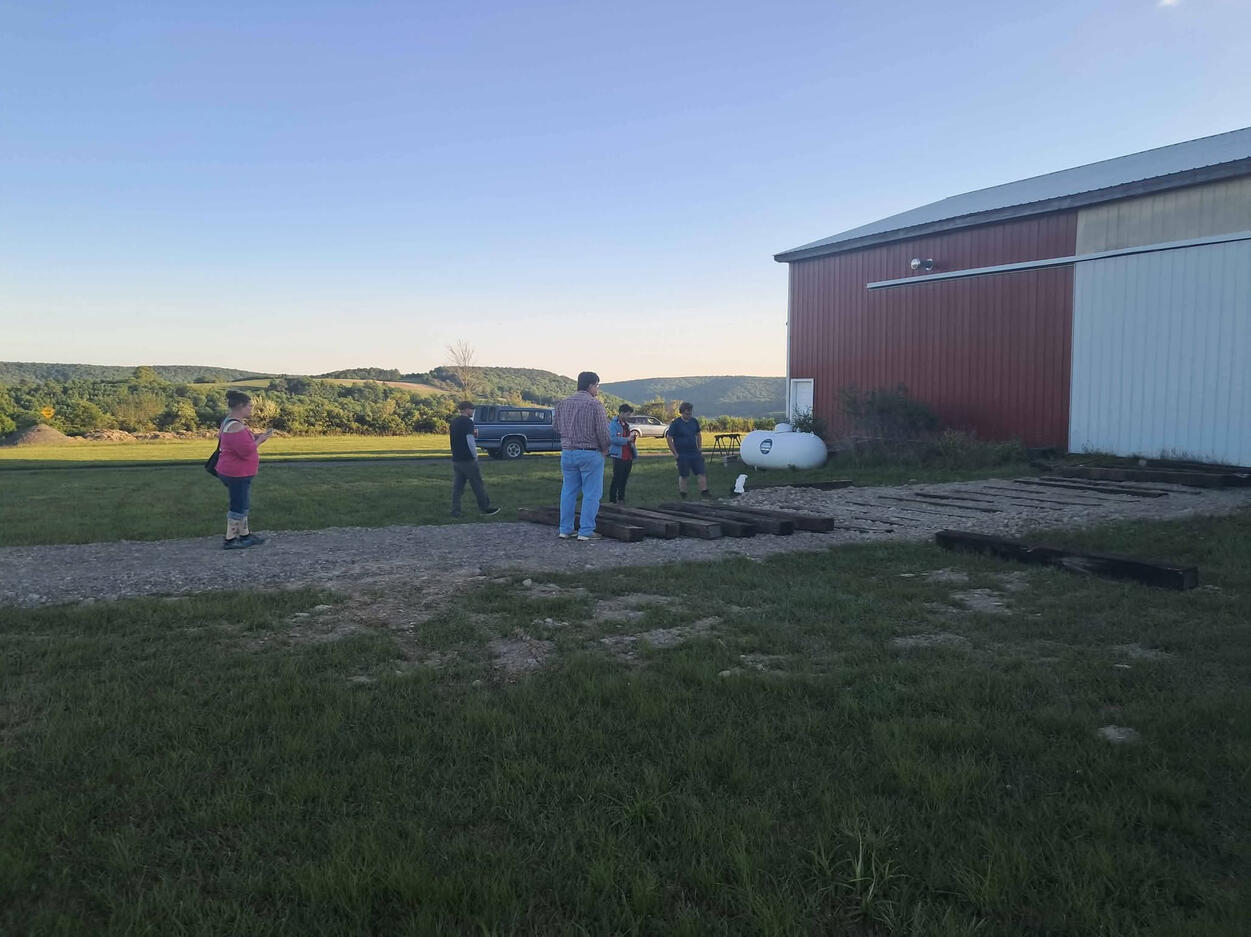
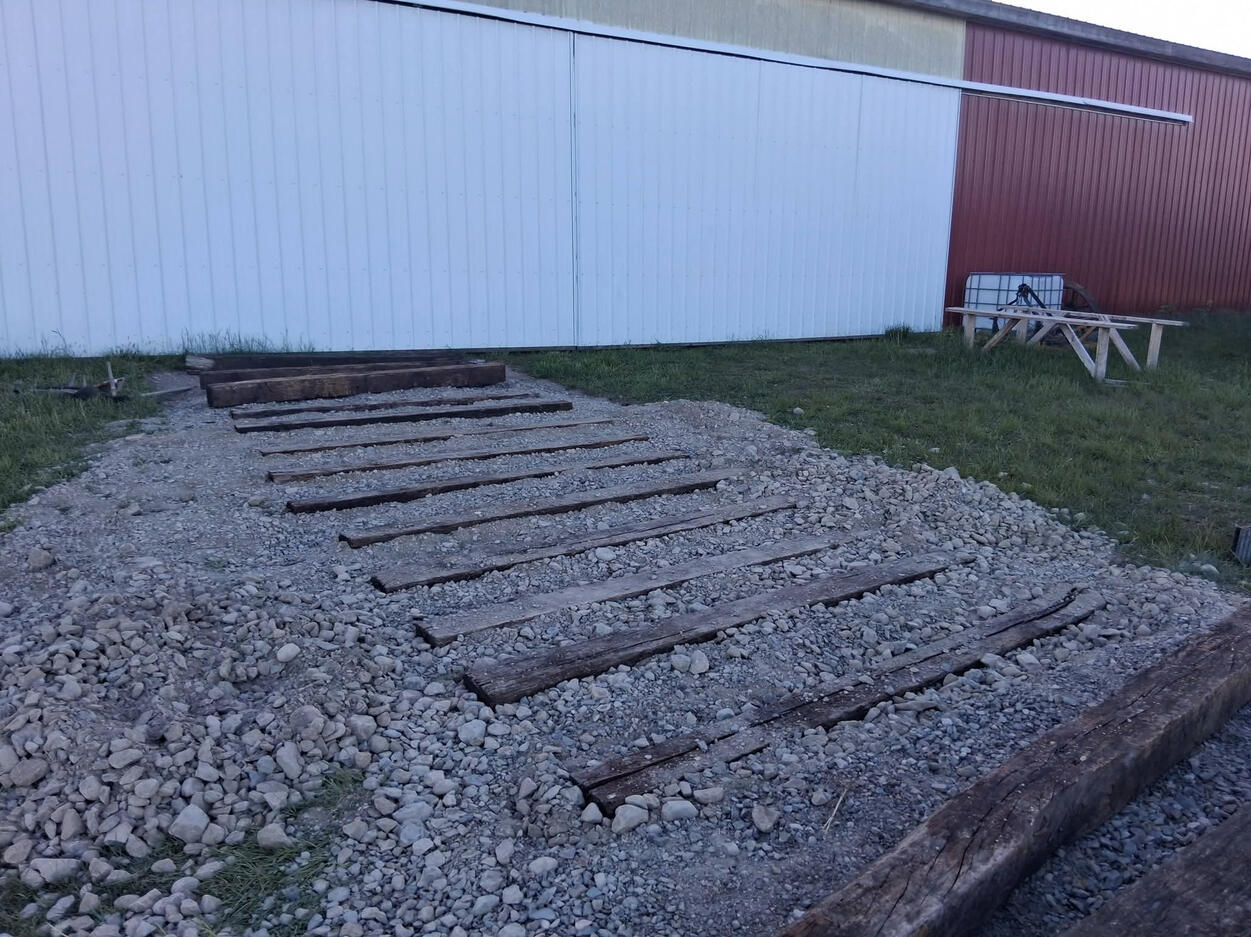
5/20/26300 ft of ballast has been laid between the road and the engine house.Ties and rails soon to follow. the layout was designed with the intention to have it accessible by trucks for easy loading and unloading.
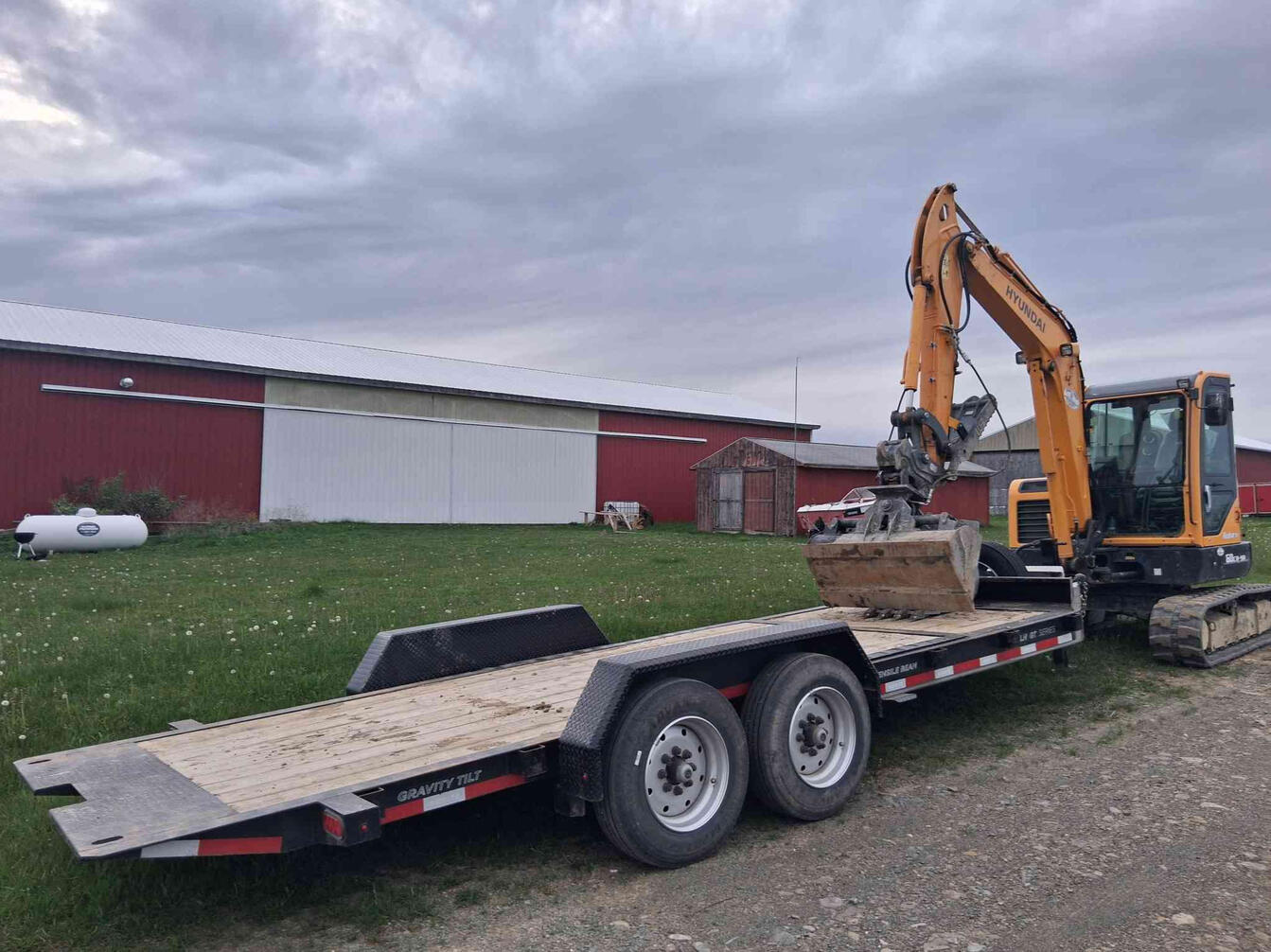
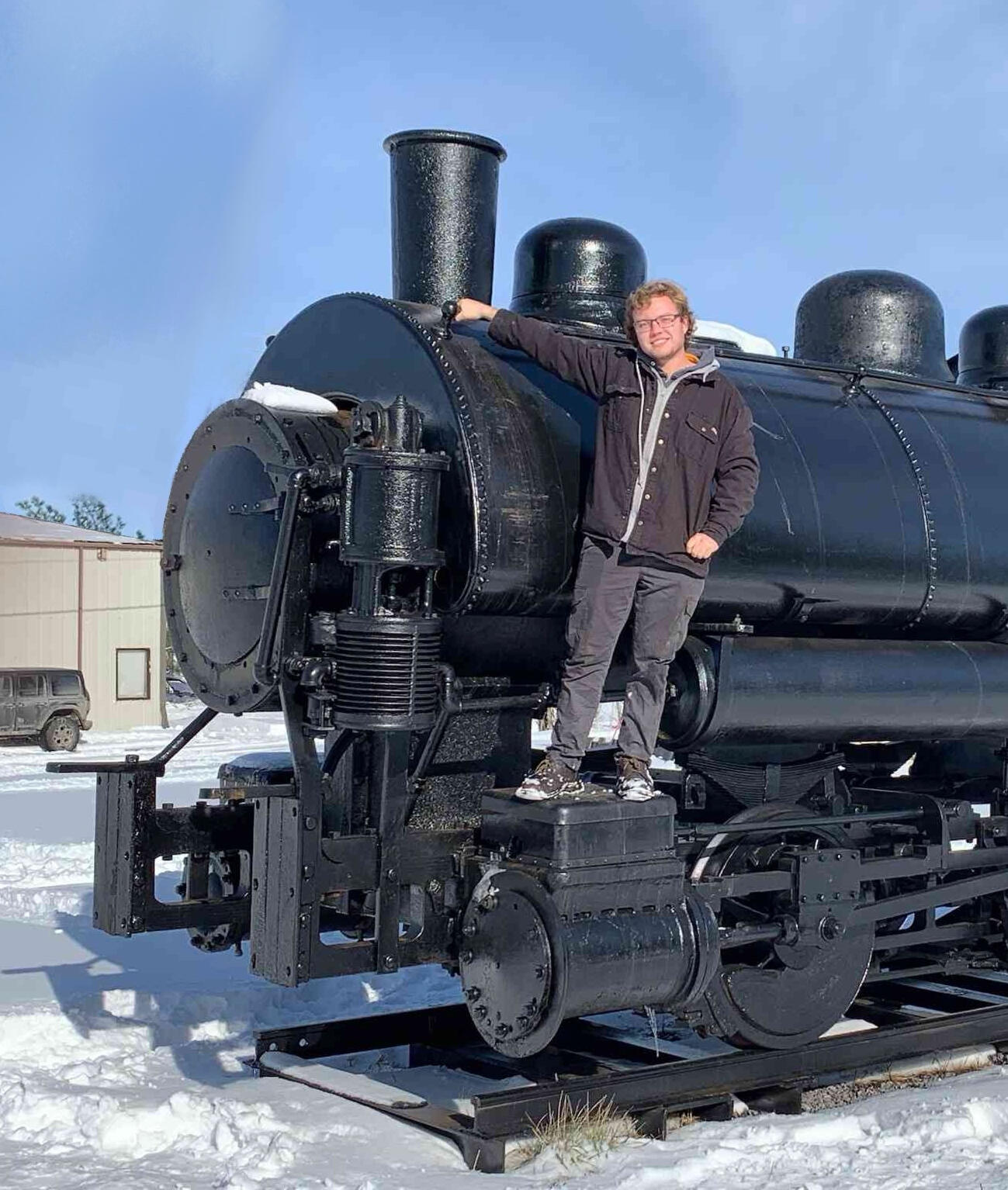
We got a train!
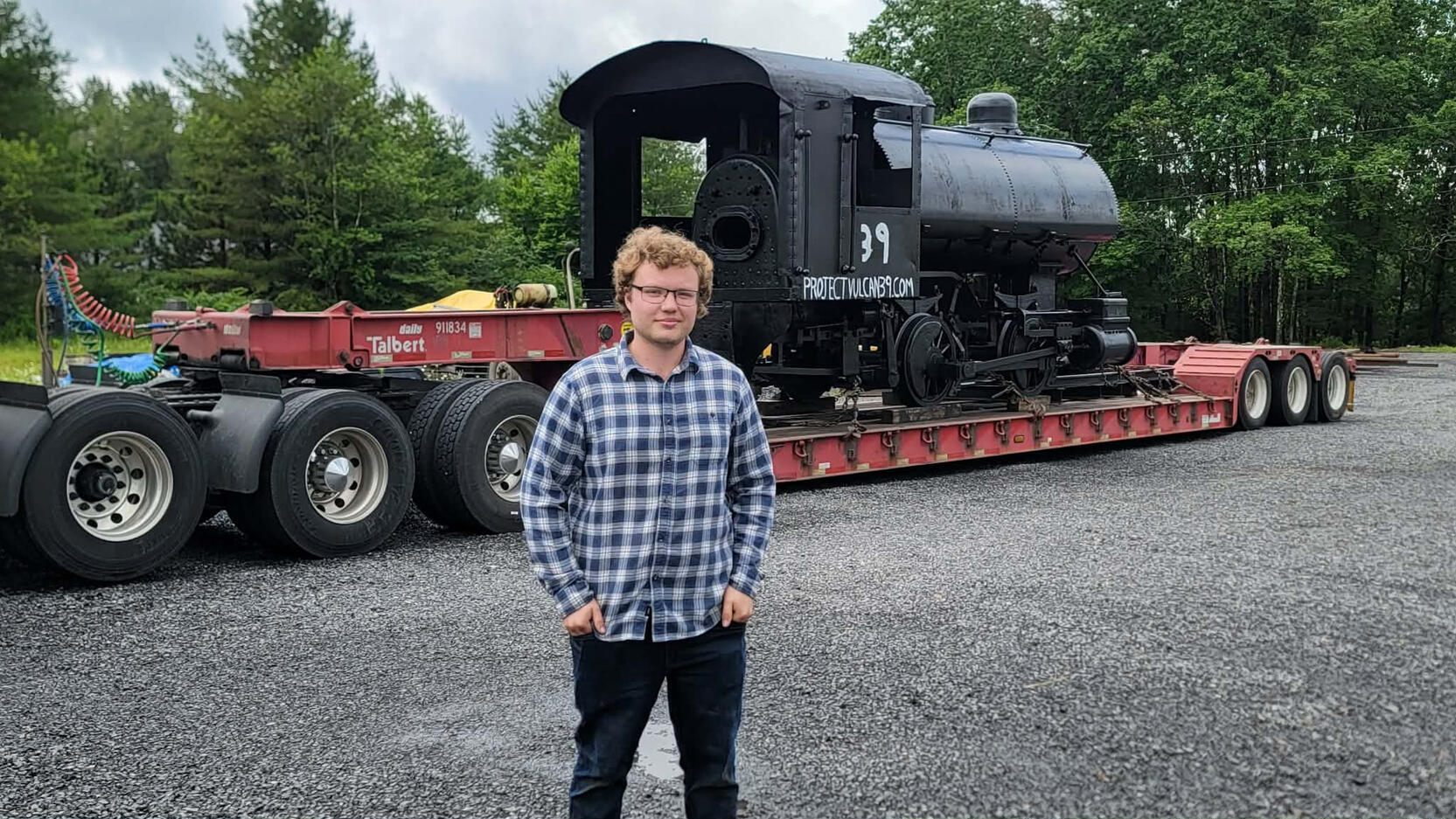
day of purchase- 12/17/25currently located in thomas WV, it will be transported via flatbed truck once the rail and ballast are in place at our workshop.
Locomotive 39's History
Builder: Vulcan Iron works
C/N: 3163
Built: February, 1921
WA: 0-4-0T
CYL: 13x18
Weight: 32.5 tons
Gauge: Standard
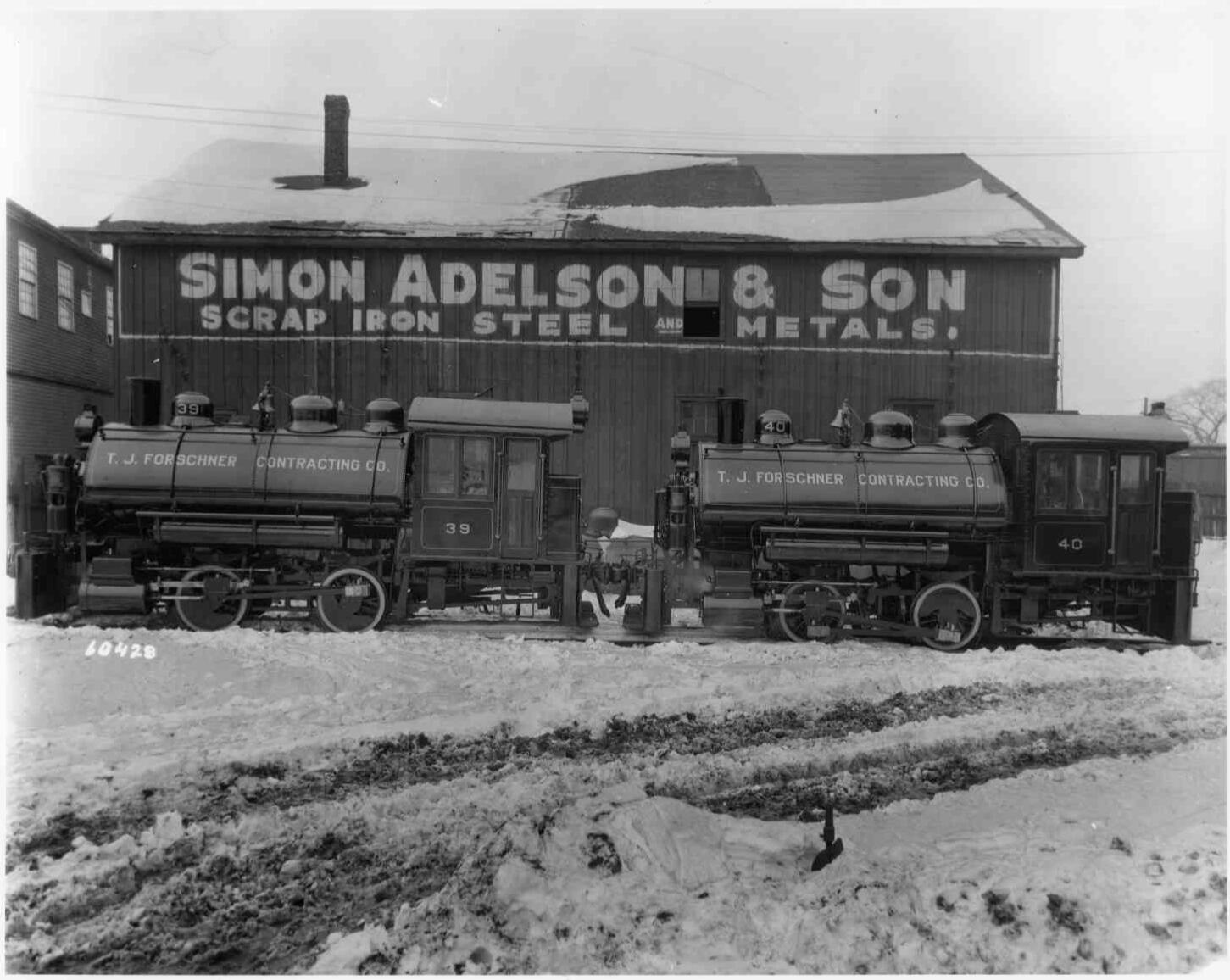
(The original Vulcan Iron Works builders photo, and earliest known photo of No. 39. Taken in Wilkes-Barre Pa shortly before shipment, her sister No. 40 sitting right behind.)
“No. 39 was originally ordered by the T. J. Forschner Contracting Company, based in Chicago, IL. In early 1921, it was shipped from its builders, the Vulcan Iron Works in Wilkes-Barre, PA, on a flatcar along with its identical sister engine, No. 40, to Chicago, where they would eventually be assigned to the nearby Lockwood Power Plant and lock system to assist with the construction of a major expansion. This expansion would allow larger barges and freighters to travel from the Mississippi River into Lake Michigan and beyond.”
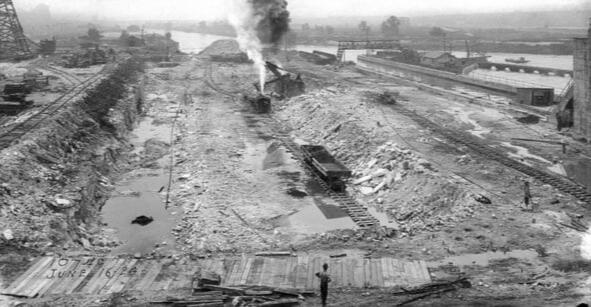
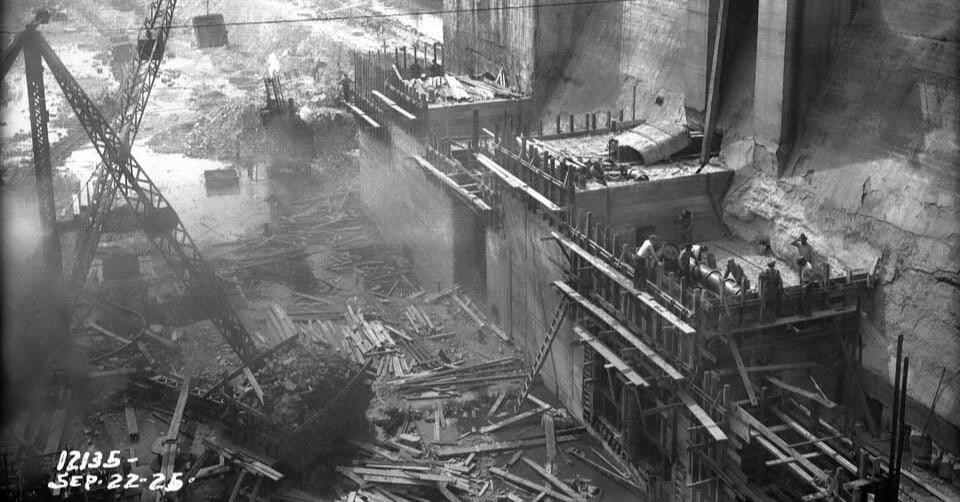
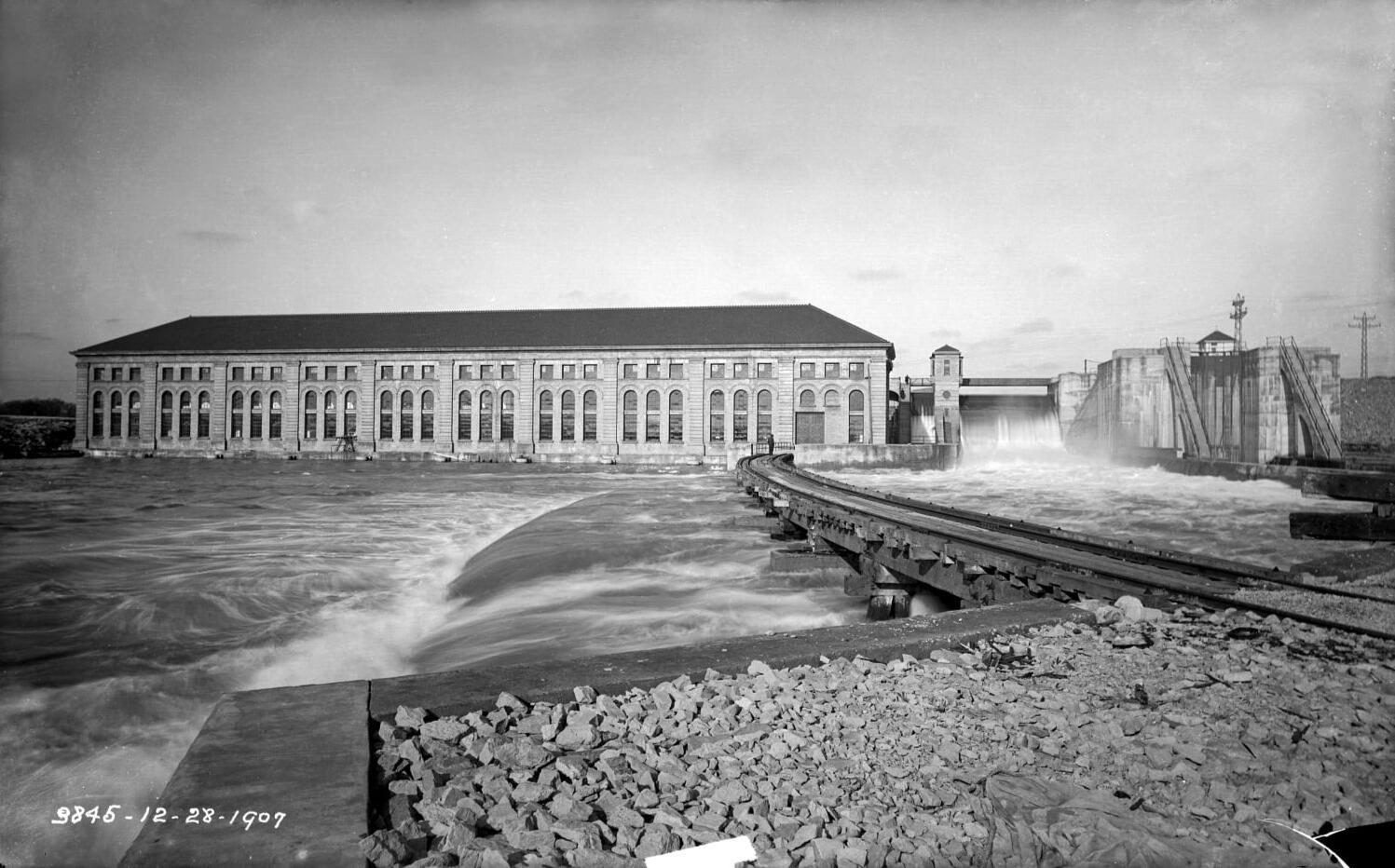
“While the original plant and lock system was built in 1907, the T. J. Forschner Company was contracted to construct a second, much larger lock directly beside the original. Officially beginning in 1923, the project lasted for the better part of a decade and was completed in 1930. It is believed that No. 39 spent most of its early service life helping construct this lock. The very same lock remains in use today and continues to serve as a vital link in the Midwestern United States.”
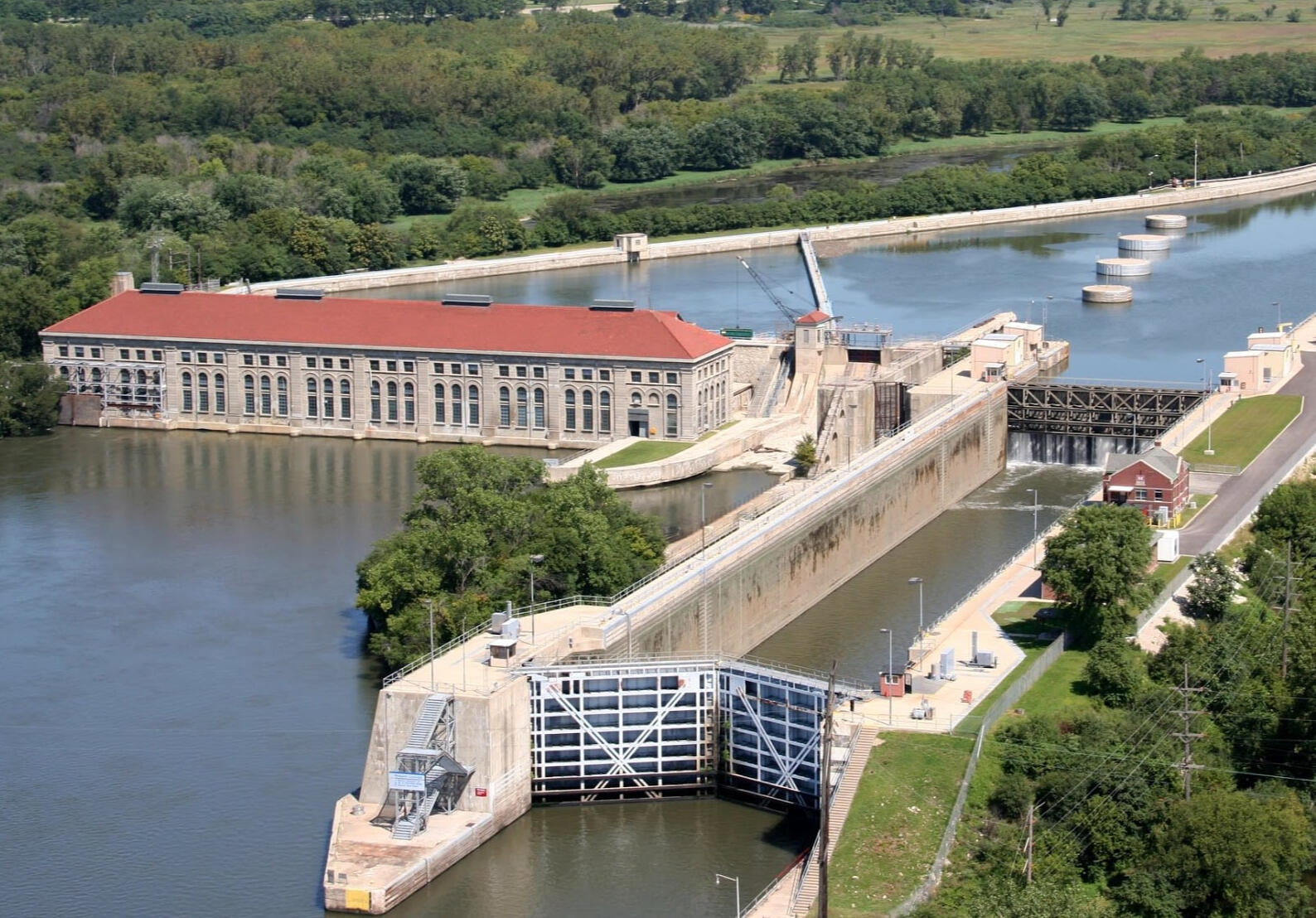
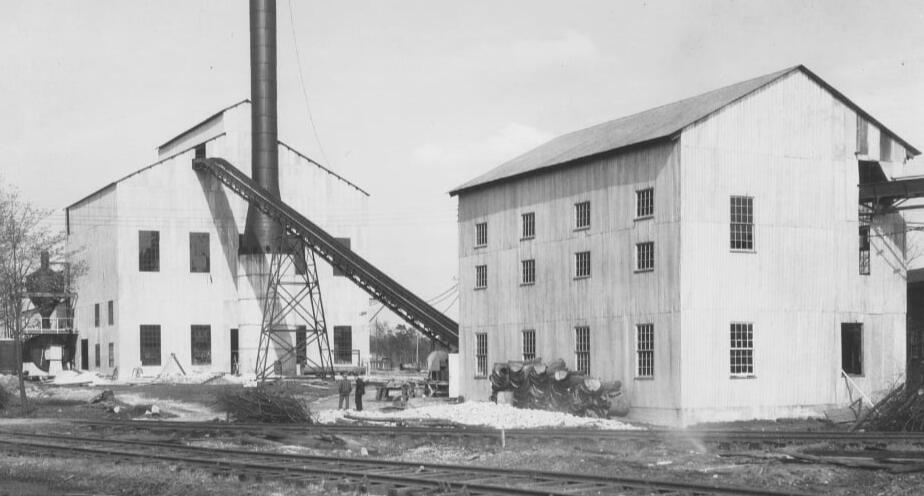
Lockwood acts as both a ship passageway and a hydro-electric powerhouse. This is what it looks like present day.
“From this point on, the history of No. 39 becomes unclear. It is possible that the locomotive remained under the ownership of T. J. Forschner, later working on sewage canals and other major construction projects. However, it is known that sometime after the lock project, it was sold as surplus to the American Crushed Rock Company (location unknown), where it likely hauled stone out of a quarry onto larger trains or trucks for transport elsewhere.Not long afterward, it was sold to the Hatfield Campbell Creek Coal Company, which operated a shortline railroad that interchanged with the New York Central near Reed, West Virginia.”
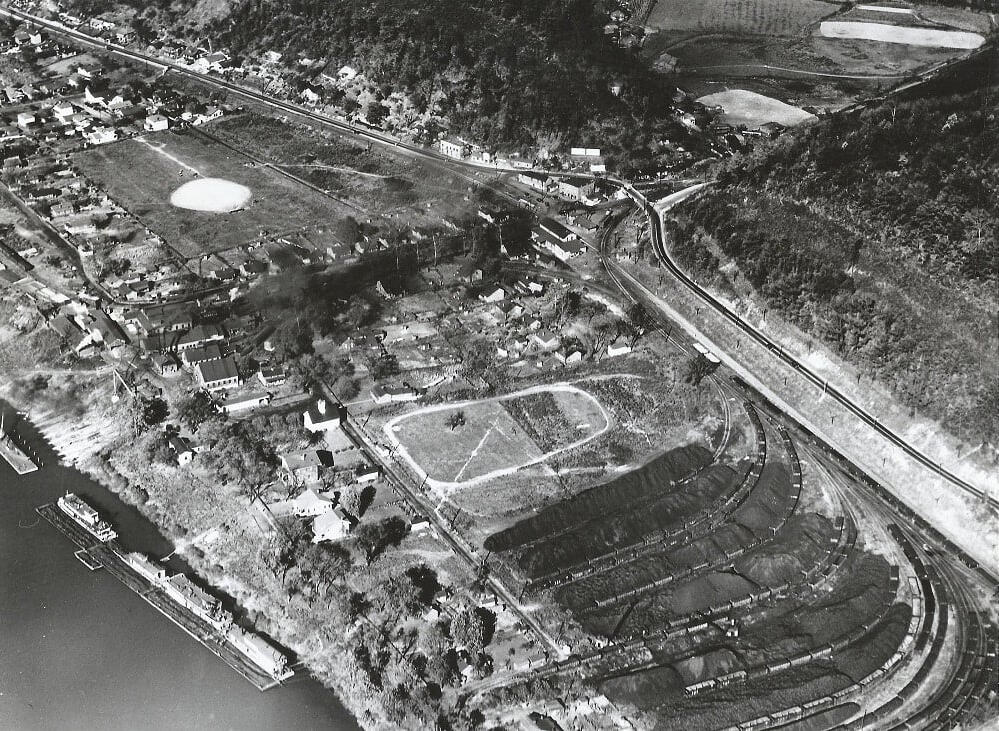
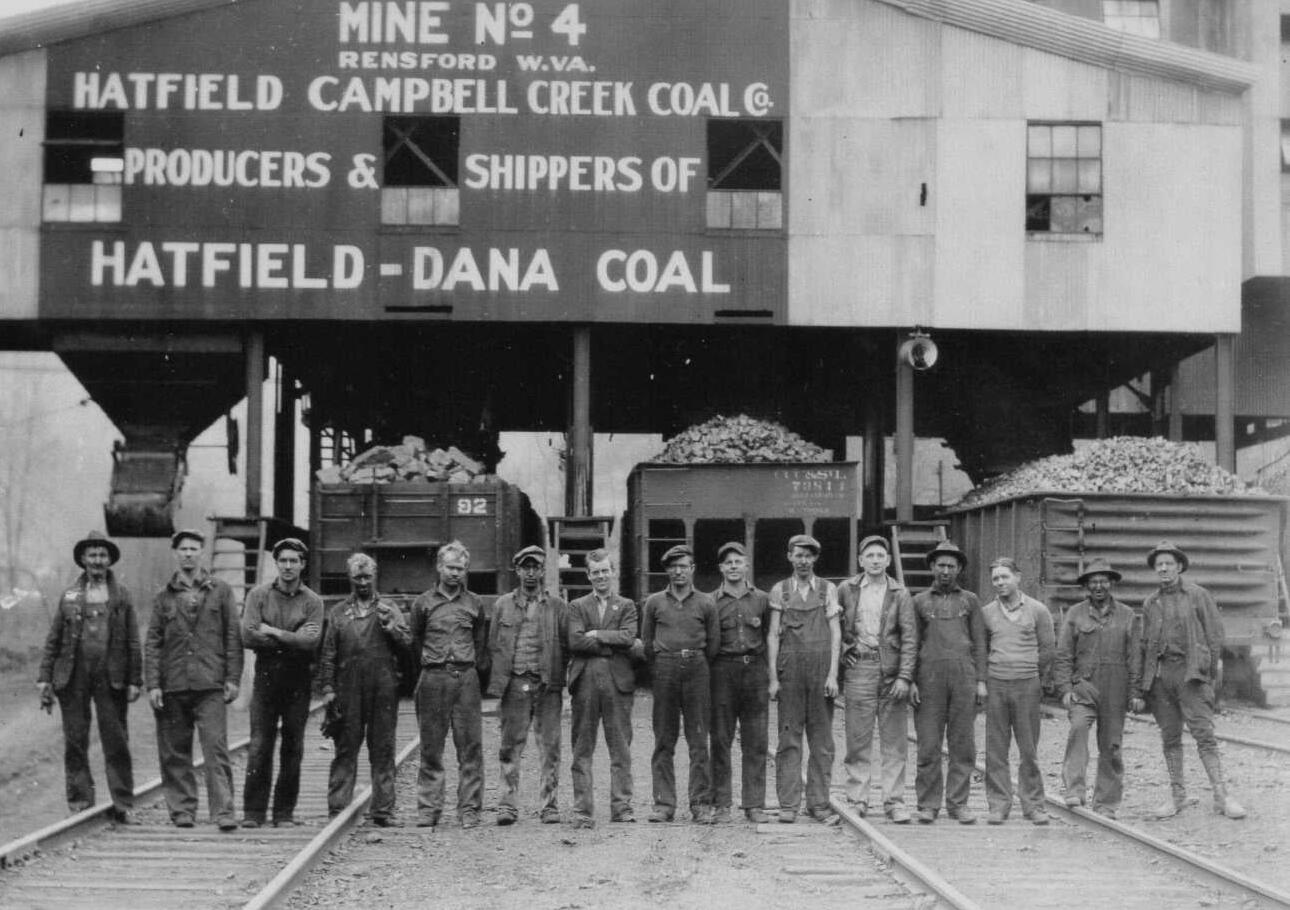
It was sold yet again to another owner, the Island Creek Coal Company in Logan County WV. It is known to have served here doing usual switching and grunt work until 1943.
“In February 1943, it was sold for the final time during its service life to the William H. Mason Lumber Company in Elkins, WV. The engine was used to load and shift lumber and log cars from the dense forests of the region to the mills and interchange points.By the mid-1950s, the use of motor truck transportation by West Virginia lumber producers and their customers was rapidly increasing, and the W. H. Mason Lumber Company (now the Elkins Lumber Company) was no exception. By 1956, use of the company’s private railroad had ceased, and its locomotive fleet was retired.”
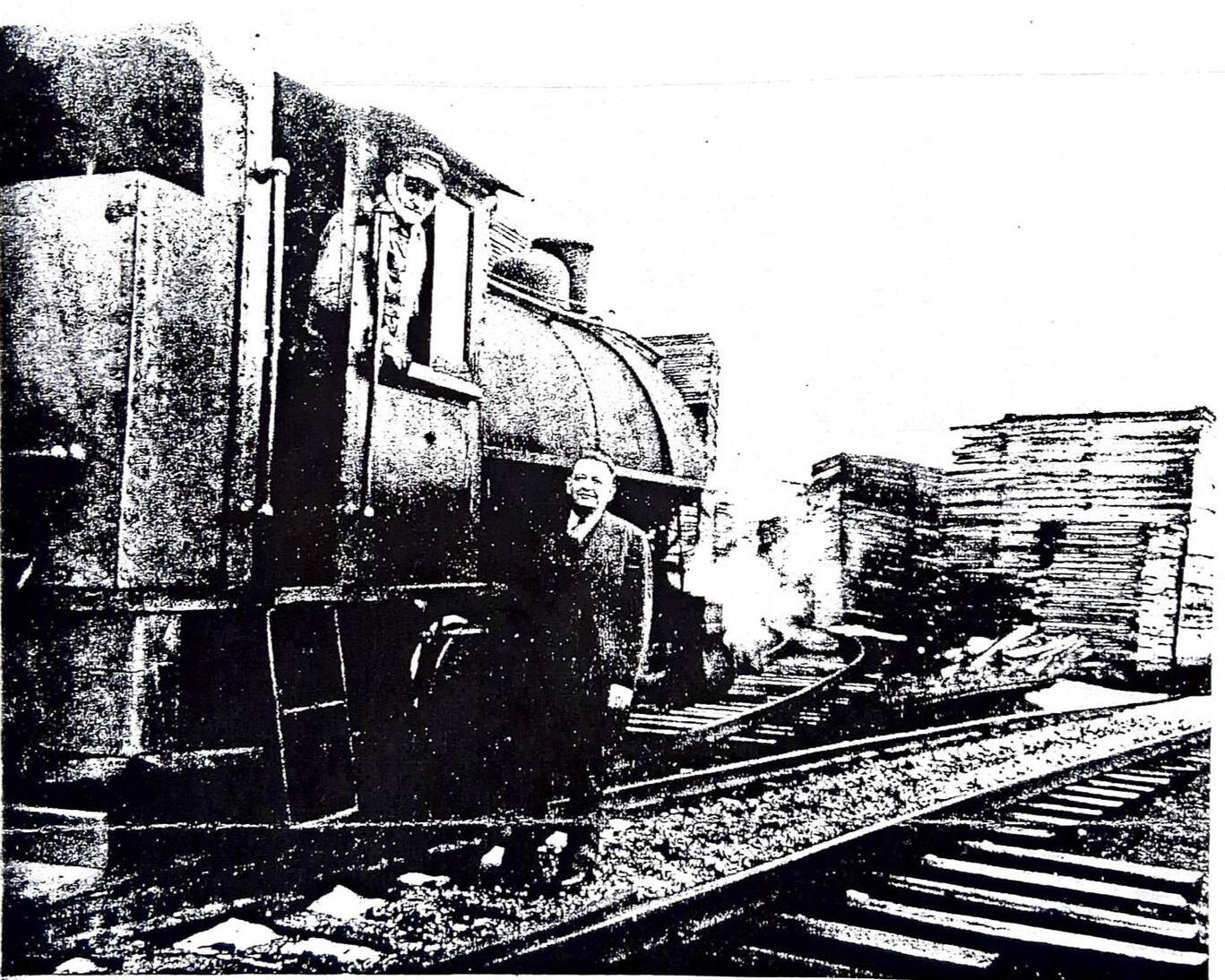
(H. B. Stalnaker, a long time teacher in Randolph County, is shown chatting with the engineer of Engine 39 on January 28, 1953. The photo appeared in Dun’s bulletin in April of 53’)
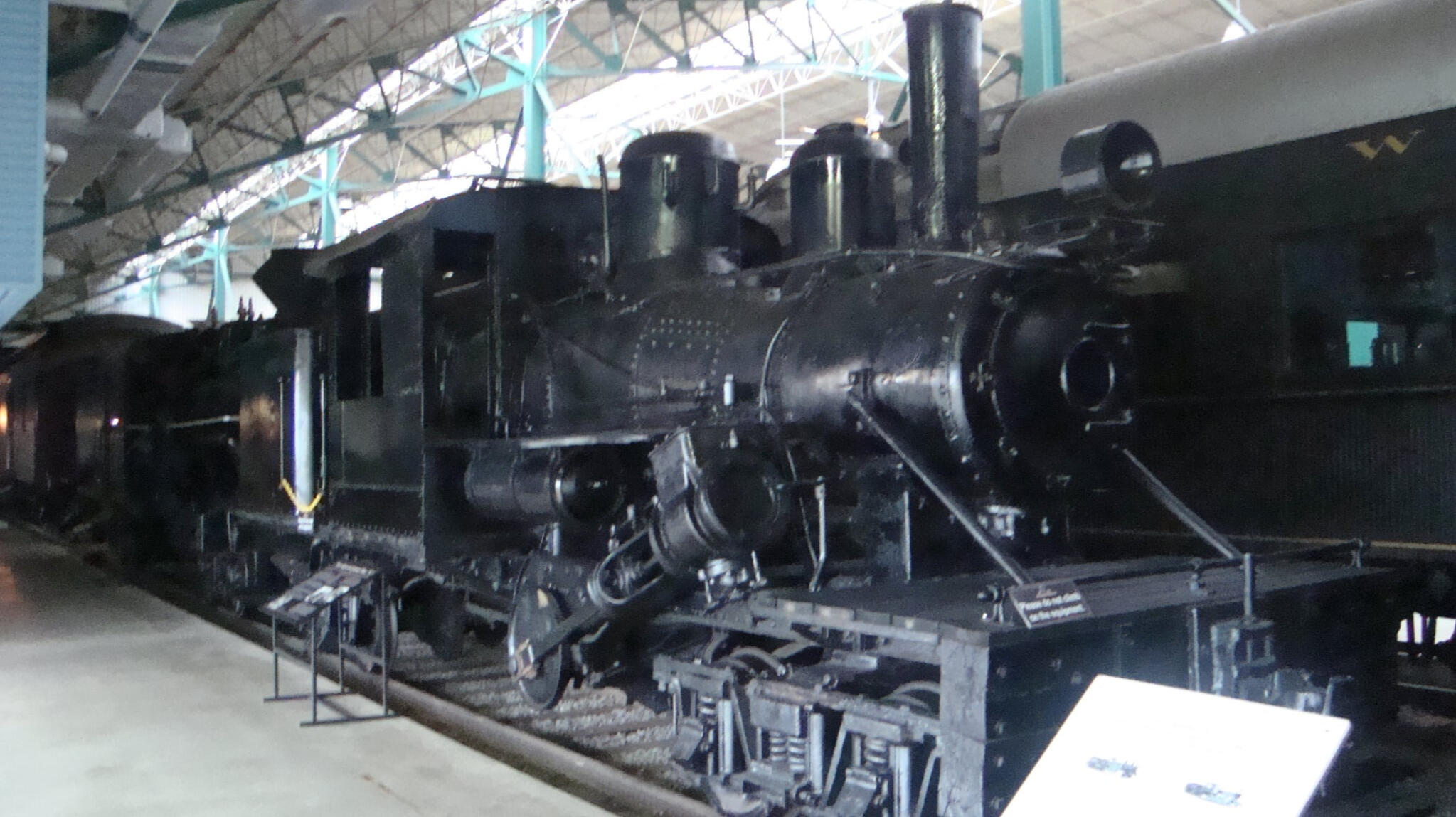
“We believe a major reason this locomotive survived was its remote location, far from any major cities and surrounded only by forests and the occasional shantytown. Interestingly, one of No. 39’s former running mates from this railroad also survives. Climax No. 4, currently preserved at the Railroad Museum of Pennsylvania, is displayed indoors for the public to see. It is very likely that these two locomotives worked side by side on a daily basis.”
“The now old and tired No. 39 was then parked inside a slat-sided shed on the mill site. The engine remained there for a number of years until it was eventually sold to Foster W. Smith, who had a longtime interest in steam locomotives. It was transported to a worksite in Barbour County, WV, with the new owner hoping to make the locomotive operational once again. Although some work was completed, the project ultimately fell short of completion. The locomotive then sat mostly untouched for the next 40 years, gradually fading from the memories of local residents, many of whom assumed it had been scrapped and lost.In the summer of 1990, a man named Stuart Thayer traveled to Cool Springs in Preston County, WV, to view the private railroad collection of flatcars, boxcars, cabooses, and an engine owned by Harlan Castle. This rolling stock served as a public attraction for Castle’s restaurant. During the visit, after exchanging many stories, Harlan first spoke of an old steam engine he had once seen years earlier in a very secluded area of Preston County. Although Harlan could not guarantee that it still existed, both men agreed it would be an adventure worth pursuing through research and exploration.Several months later, the two eager steam enthusiasts reunited for their expedition. After a great deal of effort, every location Harlan could remember was searched without success. The search appeared doomed, especially after two long-retired coal miners living in Galloway found it highly amusing that two grown men were searching for steam engines that had not been seen in the area for more than 50 years.Near the end of the search, the pair decided to make one final inquiry at a scrap yard in Barbour County, WV. Their reasoning was simple: if any remains of the locomotive still existed, a scrap yard operator would likely know, since steam engines are largely made of metal. Once again, the searchers pressed on, although neither was particularly eager to ask after nearly being laughed out of Galloway. To their delight, the scrap yard owner provided directions to a secluded, abandoned coal mining site where an old 1921 0-4-0 locomotive had sat for more than 40 years.Even locating the nearly overgrown dirt road at the bottom of a narrow ravine proved extremely difficult. Discovering the ancient steam engine resting on a long-forgotten rail spur, with large trees growing between the ties, was a remarkable sight. Nearby stood an old shed containing numerous railroad artifacts.Several weeks later, the owner of the mystery locomotive was identified as Foster Smith, then living in Philippi, WV. Numerous meetings and phone calls followed among the men who shared a deep interest in steam locomotives. Mr. Smith expressed serious concern for the future of the engine due to his advancing age and the general lack of public interest in preserving it. According to Mr. Smith, the only parties interested in the locomotive at the time were scrap yards. For years, he had protected the engine before Mr. Thayer first knocked on his door.After several months of negotiations, Mr. Thayer purchased the locomotive and moved it in 1991 to his “Super Car Wash” property along Route 32, within 200 yards of the entrance to Blackwater Falls State Park in Davis, WV. It was said that hundreds of people stopped each year to view and photograph the engine. Many grandfathers were seen sharing stories of the steam era with children, family members, and friends.”
Relocation of No.39
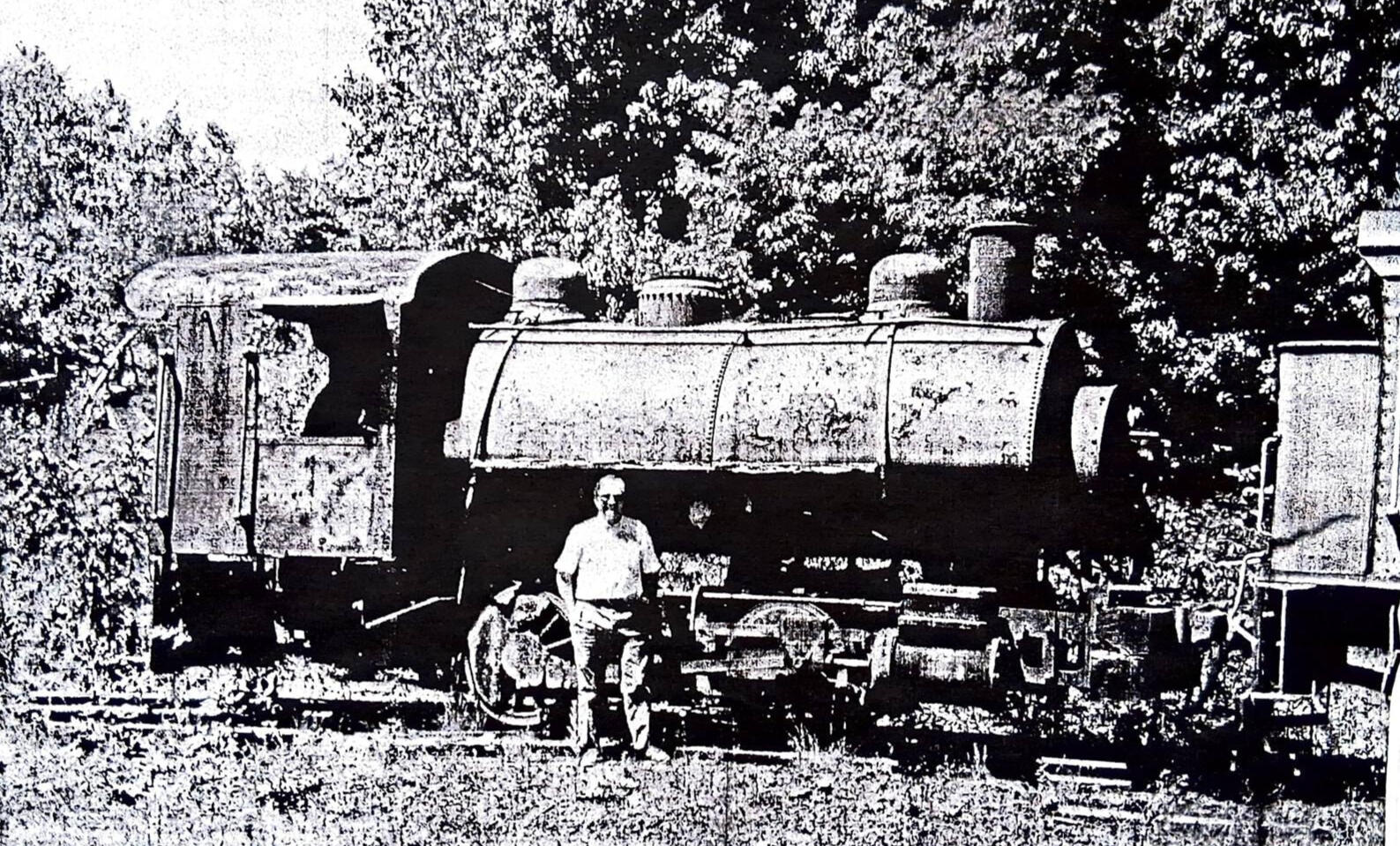
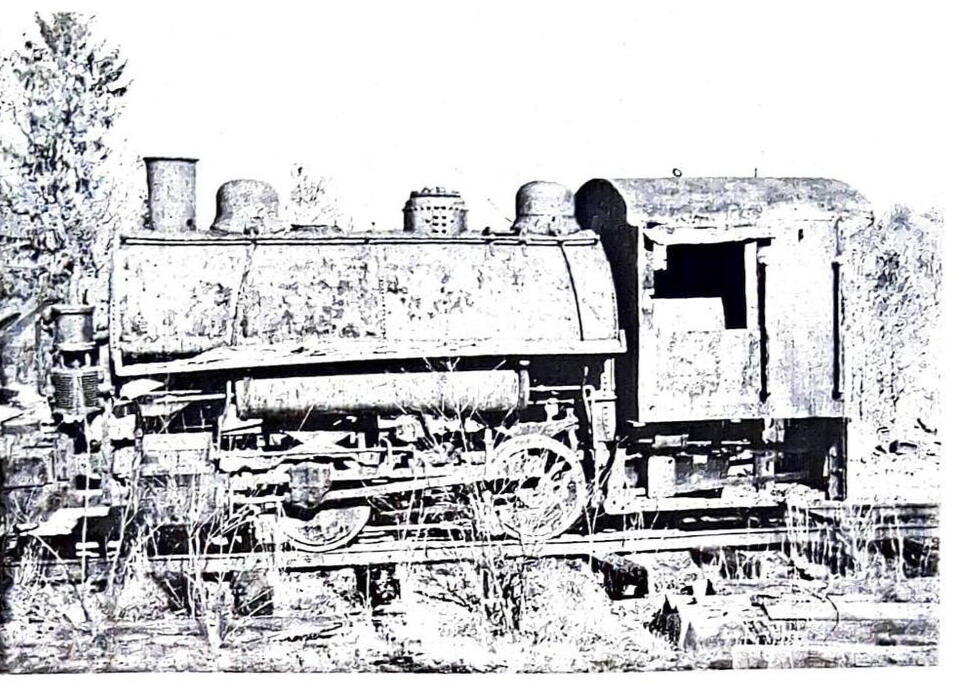
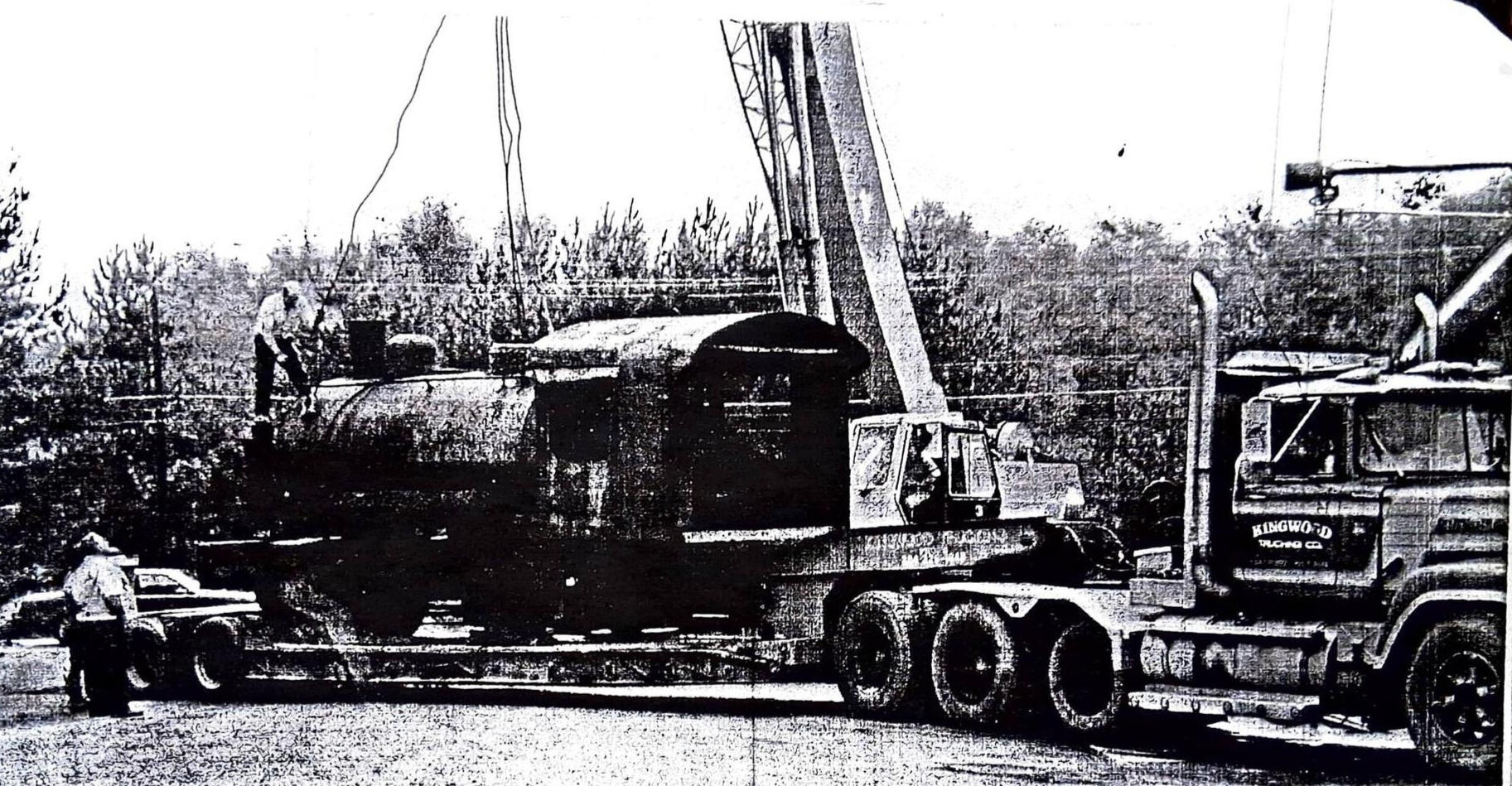
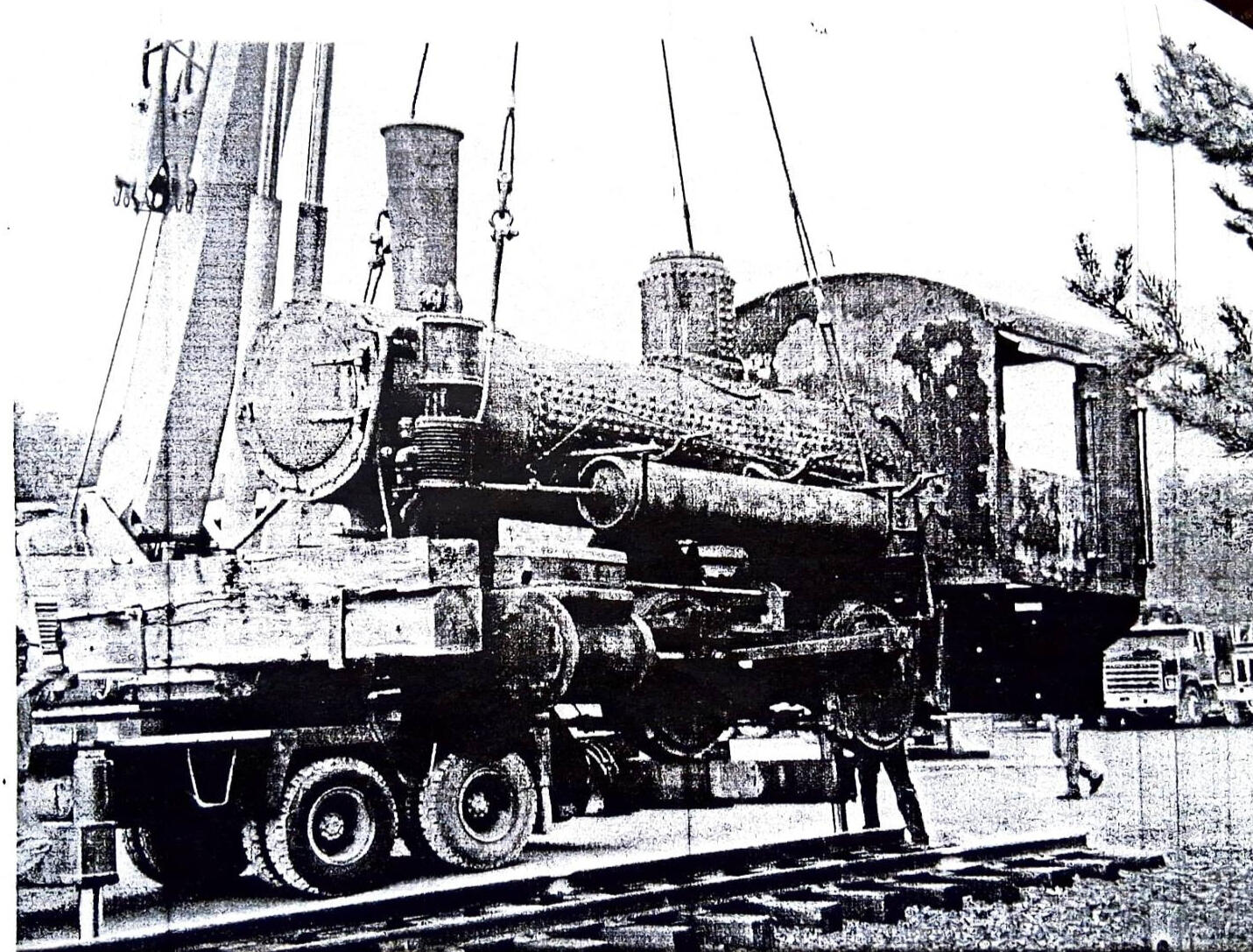
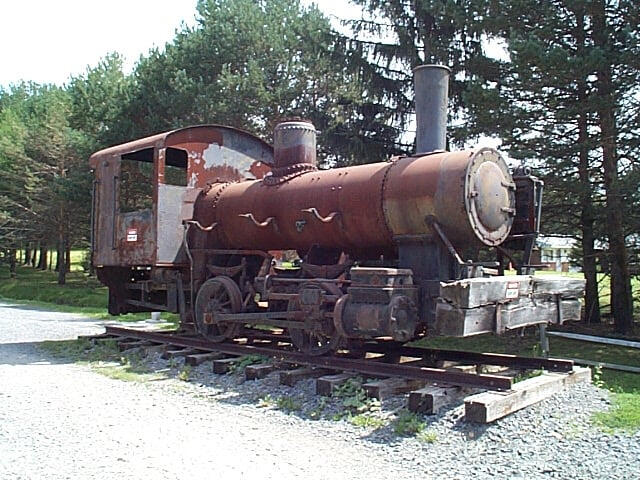
The engine displayed at the previous owner's car washing business.
“Around 2010, the locomotive was sold to Mr. Thomas Scott, who transported the engine to his machine shop for display in nearby Thomas, WV. The locomotive remained there until 2026, when it was purchased by its current owner, Kurtis Hooey. It was then transported to its new home in Beaver Dams, NY, where it will undergo a full operational restoration.The locomotive is well loved and carefully cared for, and it will continue to be treated as the treasure it has become.”
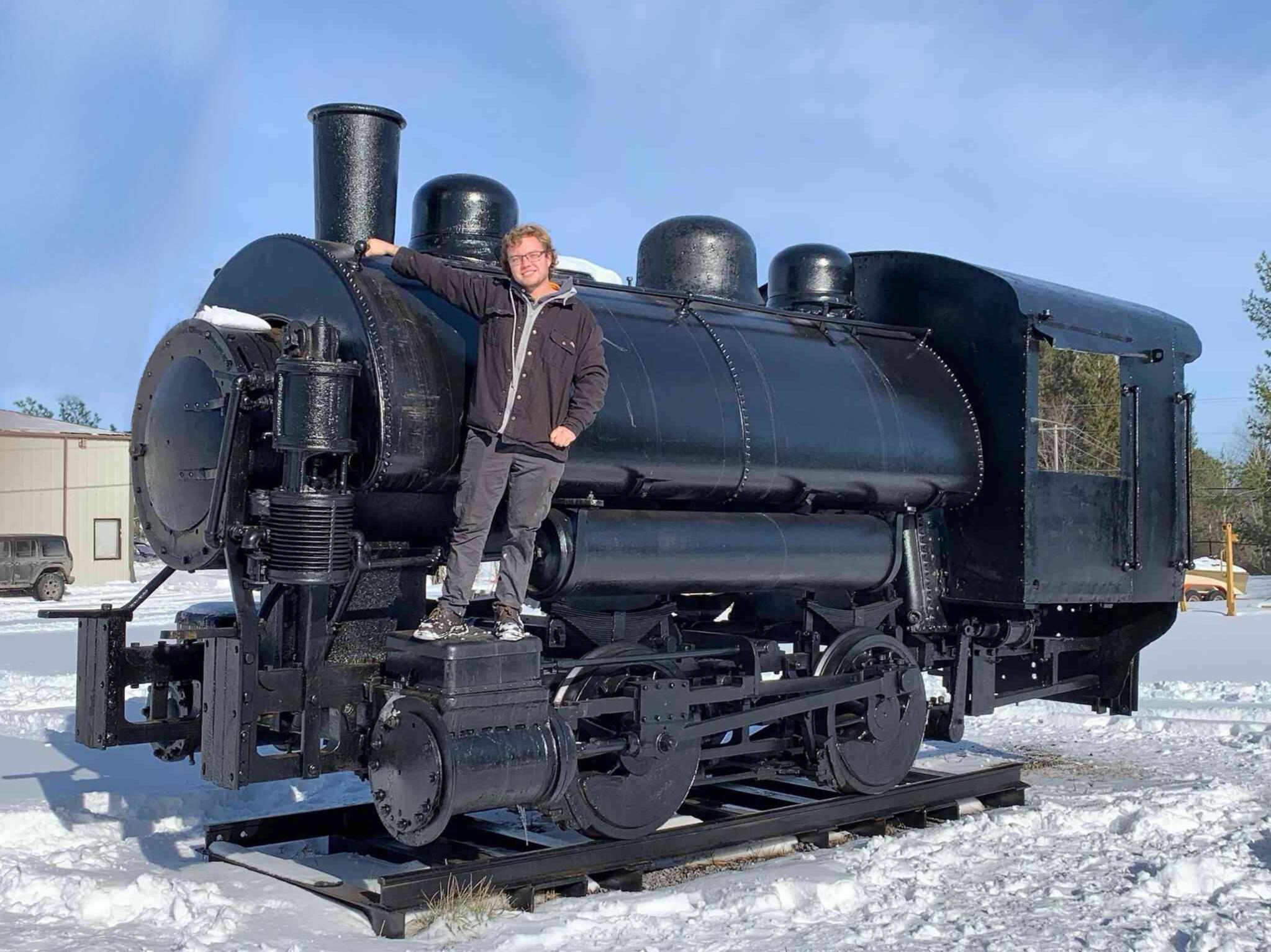
Do you have parts to the story that we are missing? Photos? Please reach out! The more we learn about this engine the better. Please visit the contact page to get in touch!
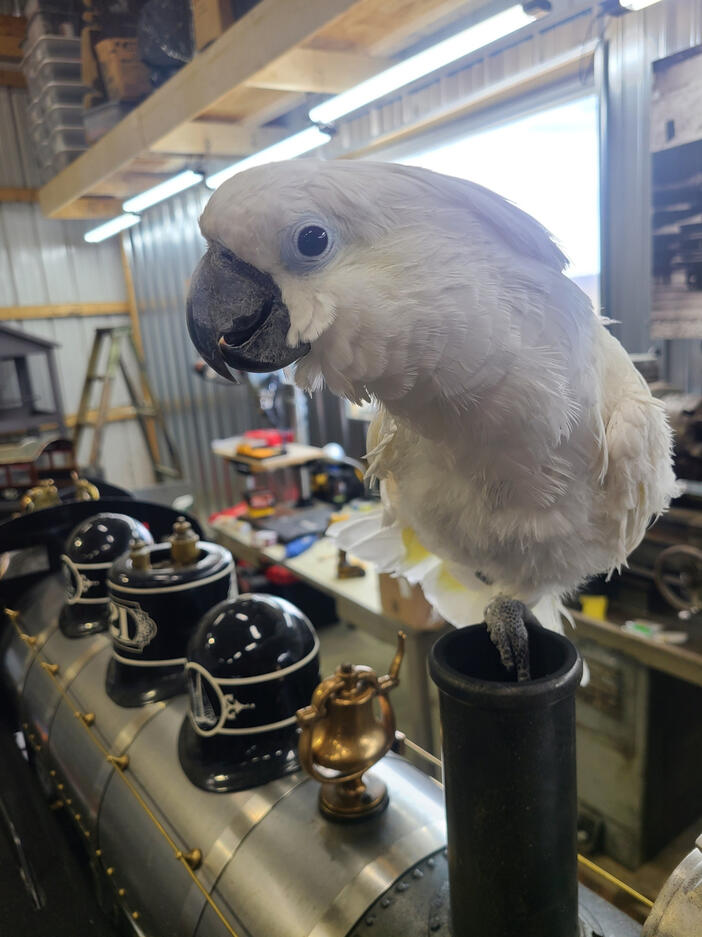
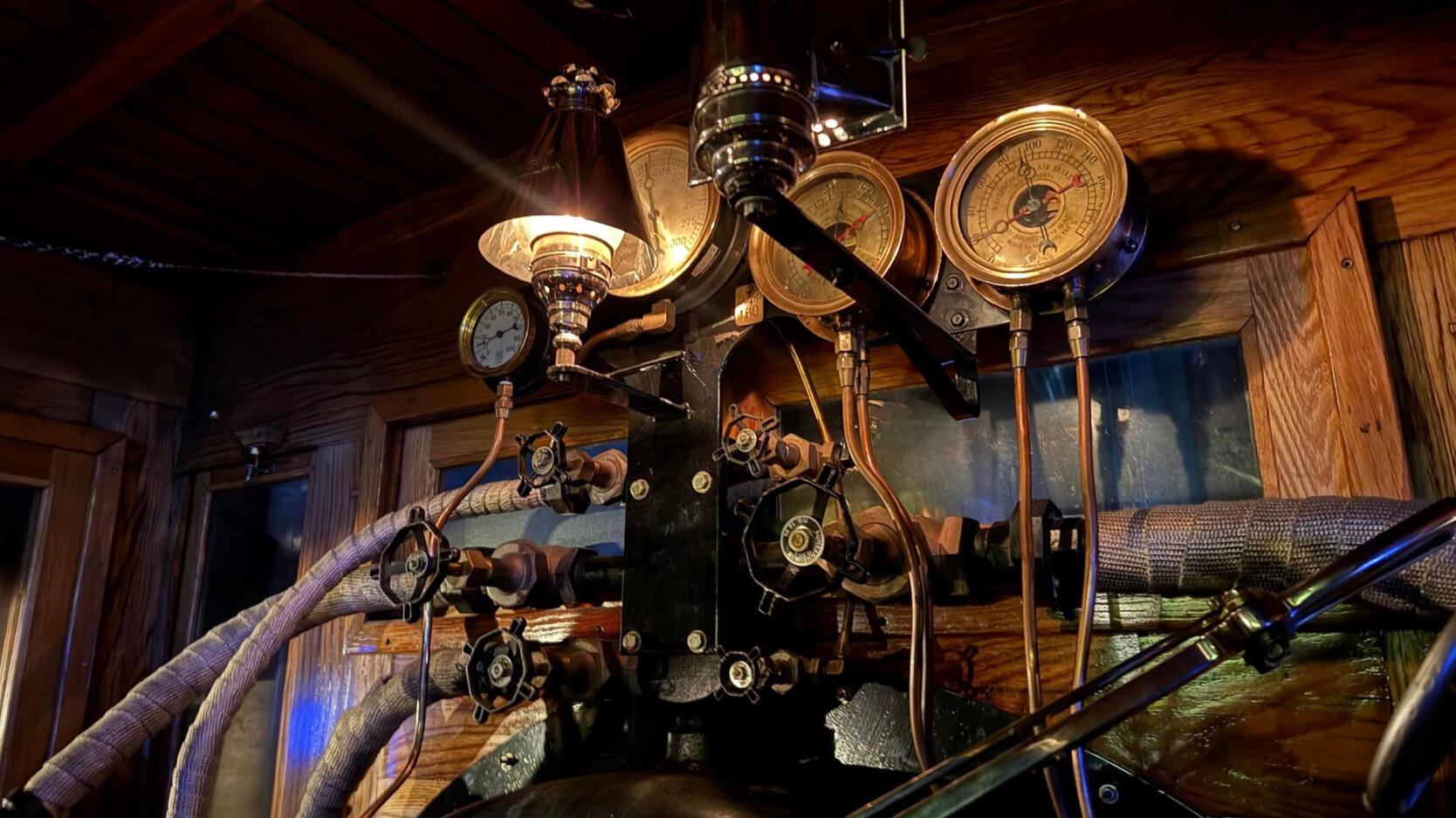
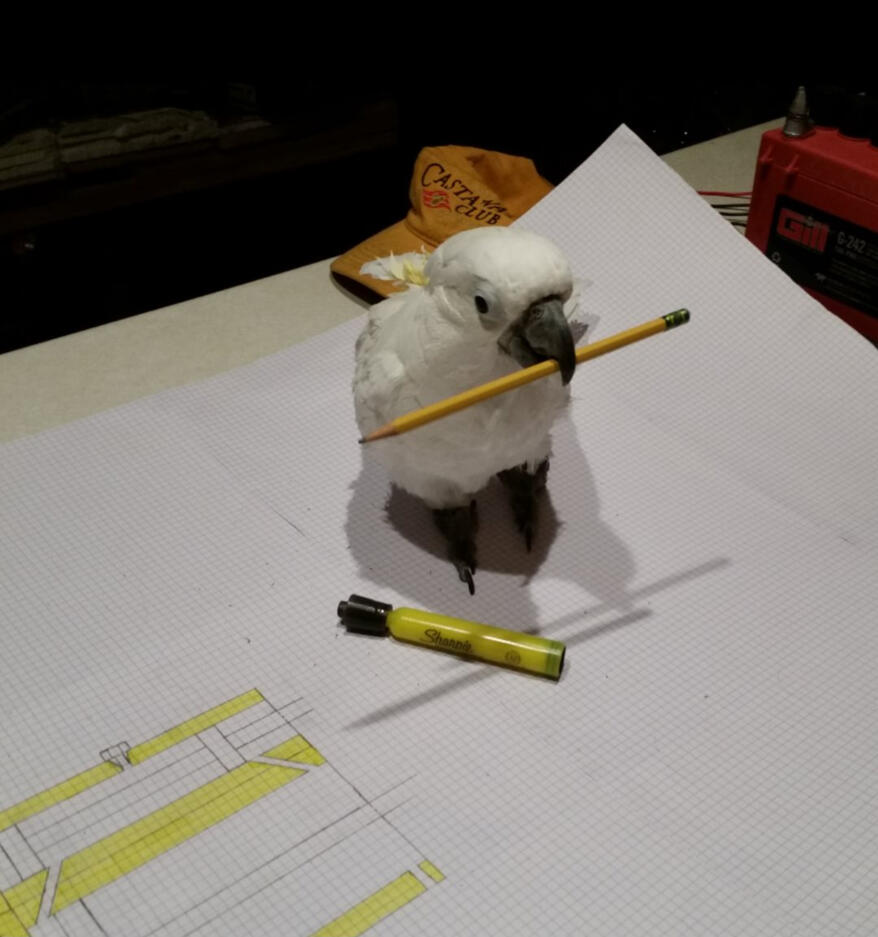
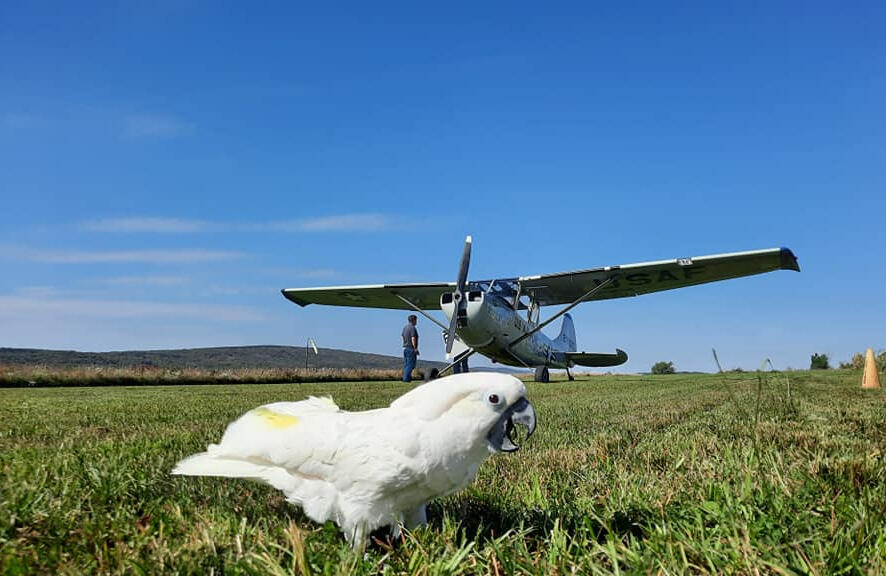
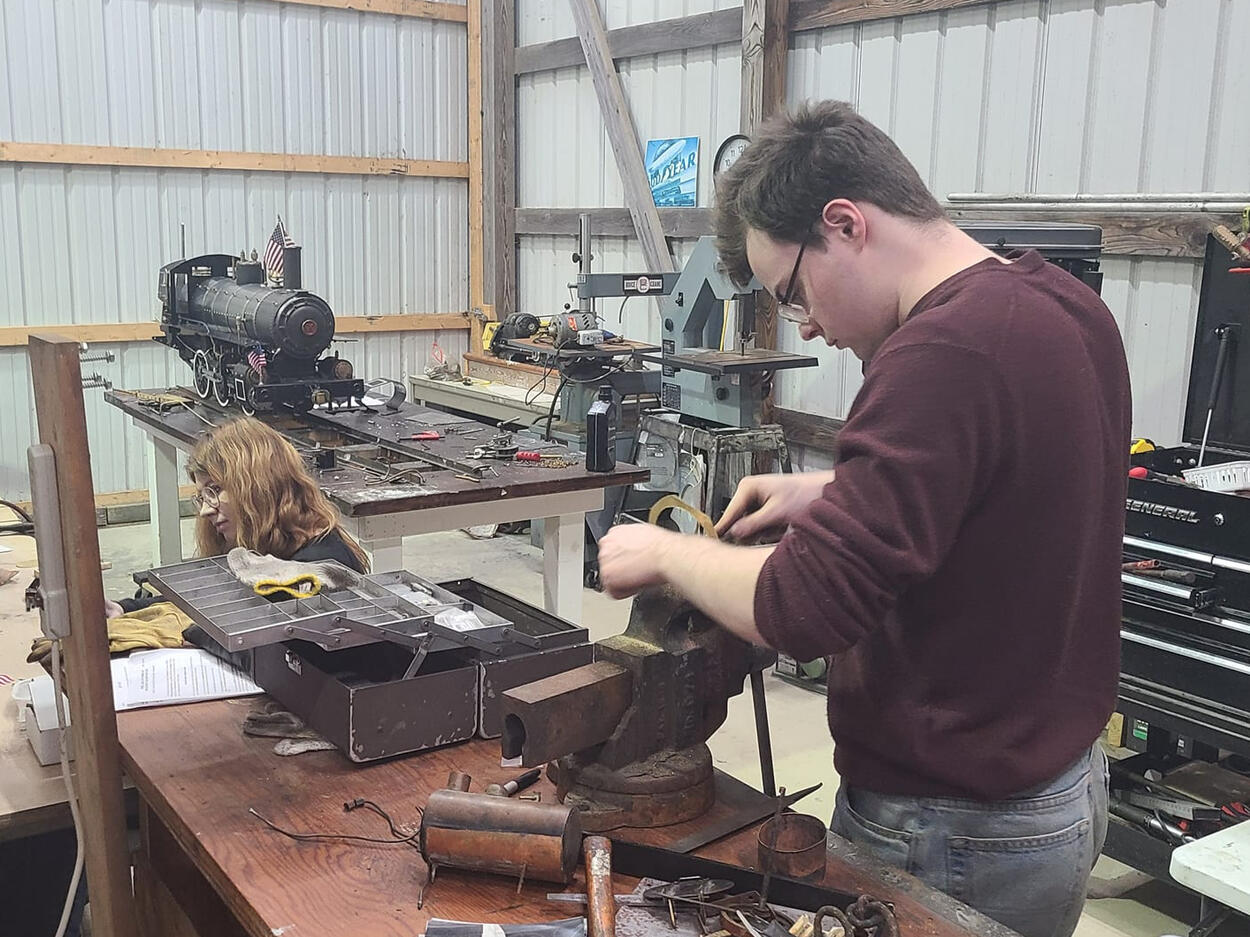
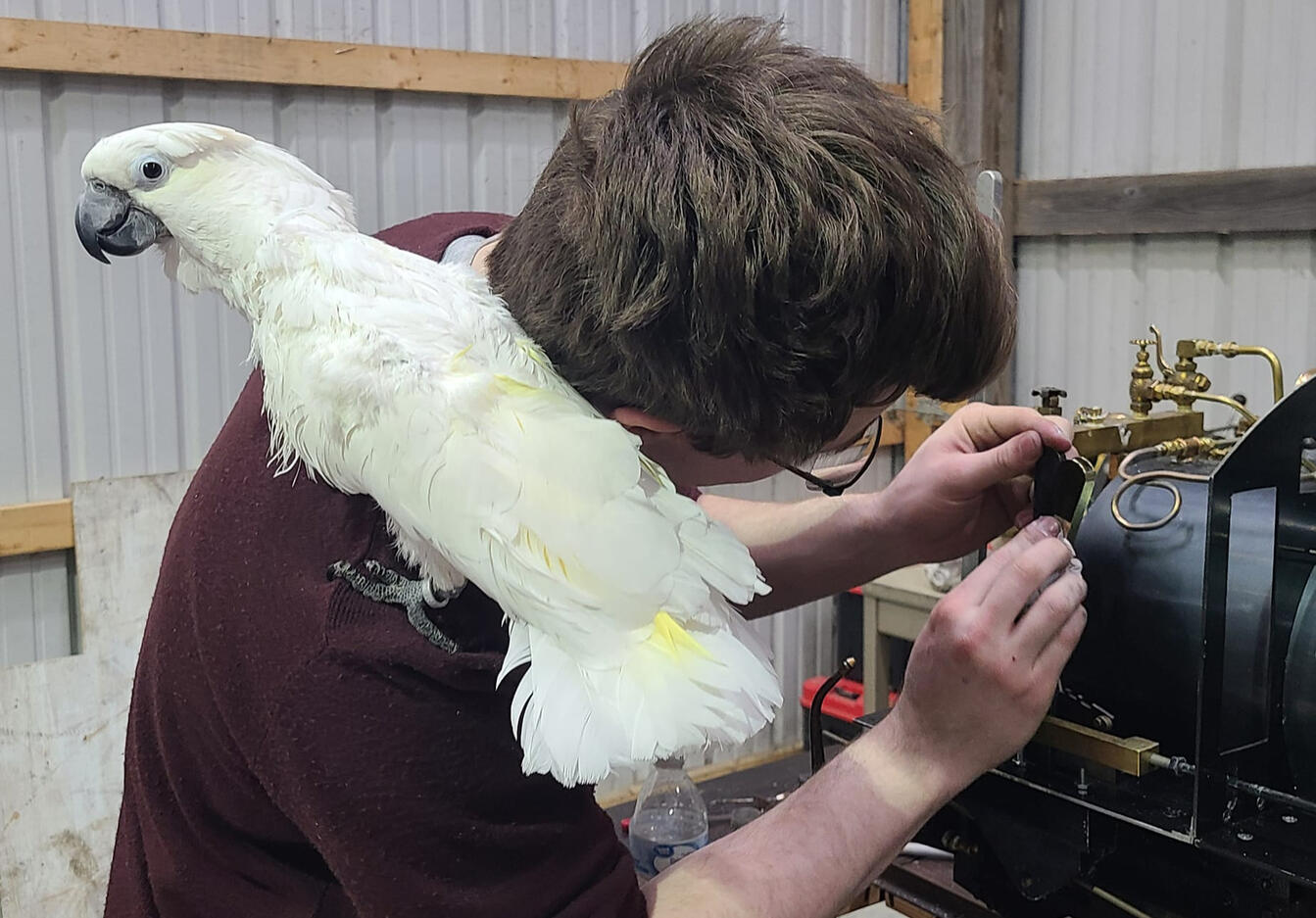
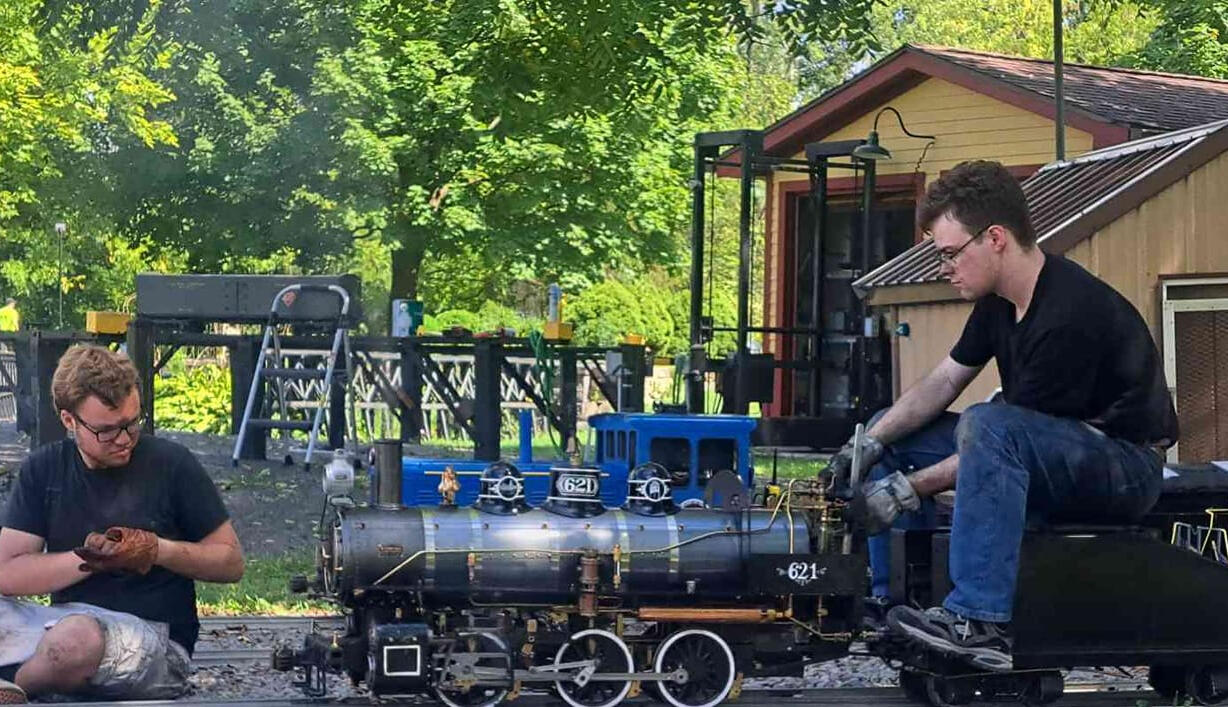
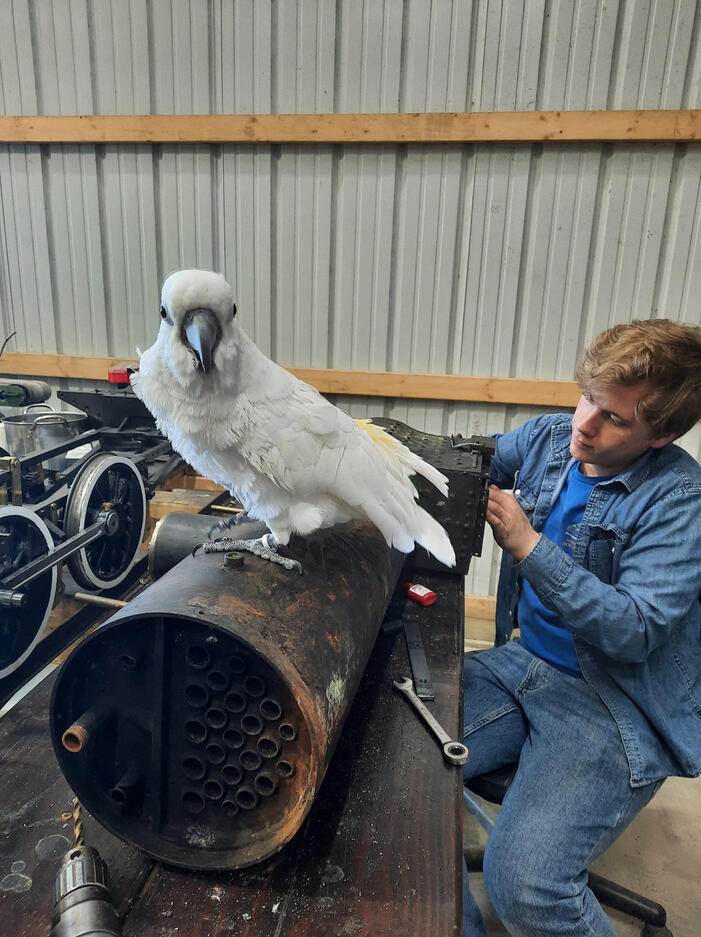
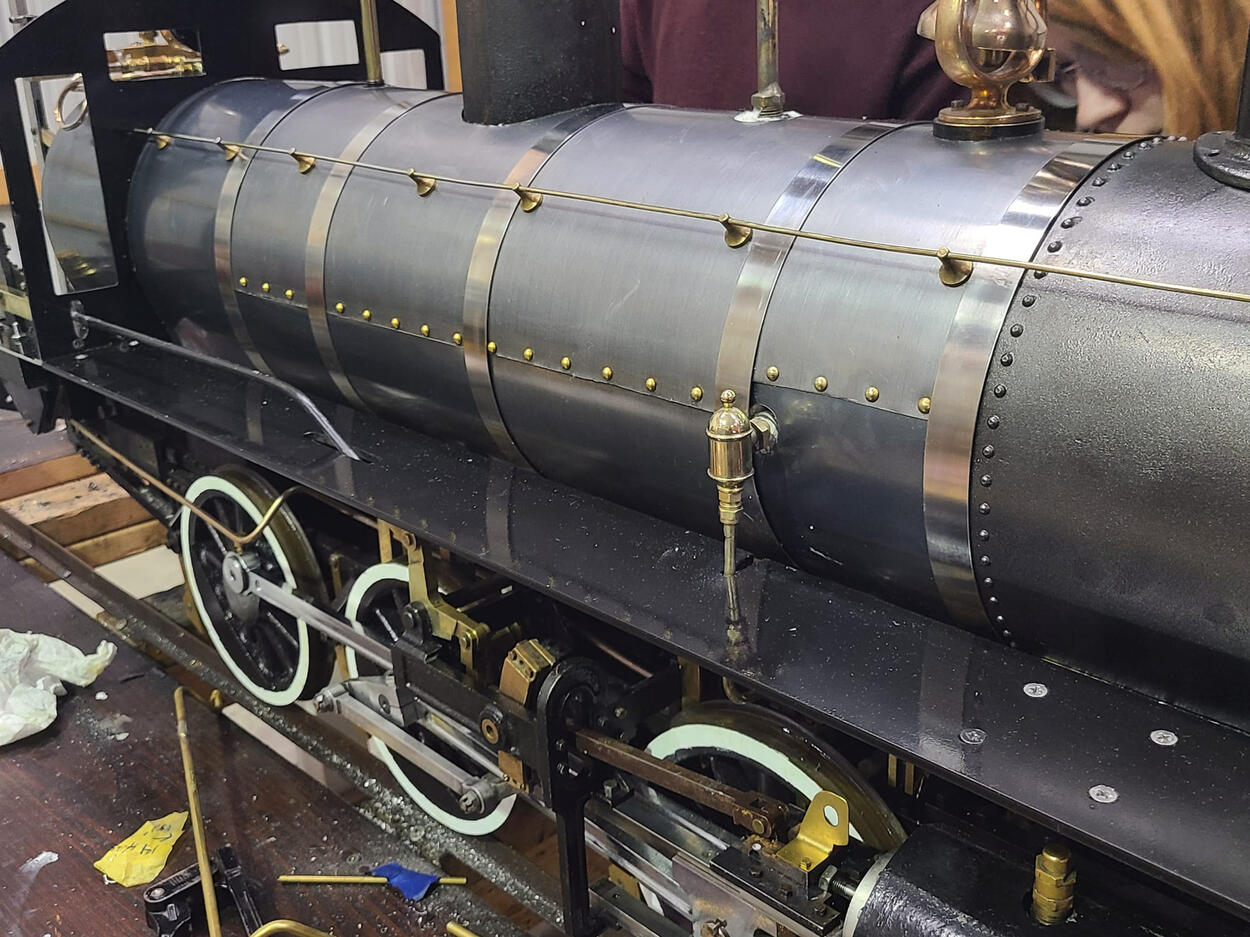
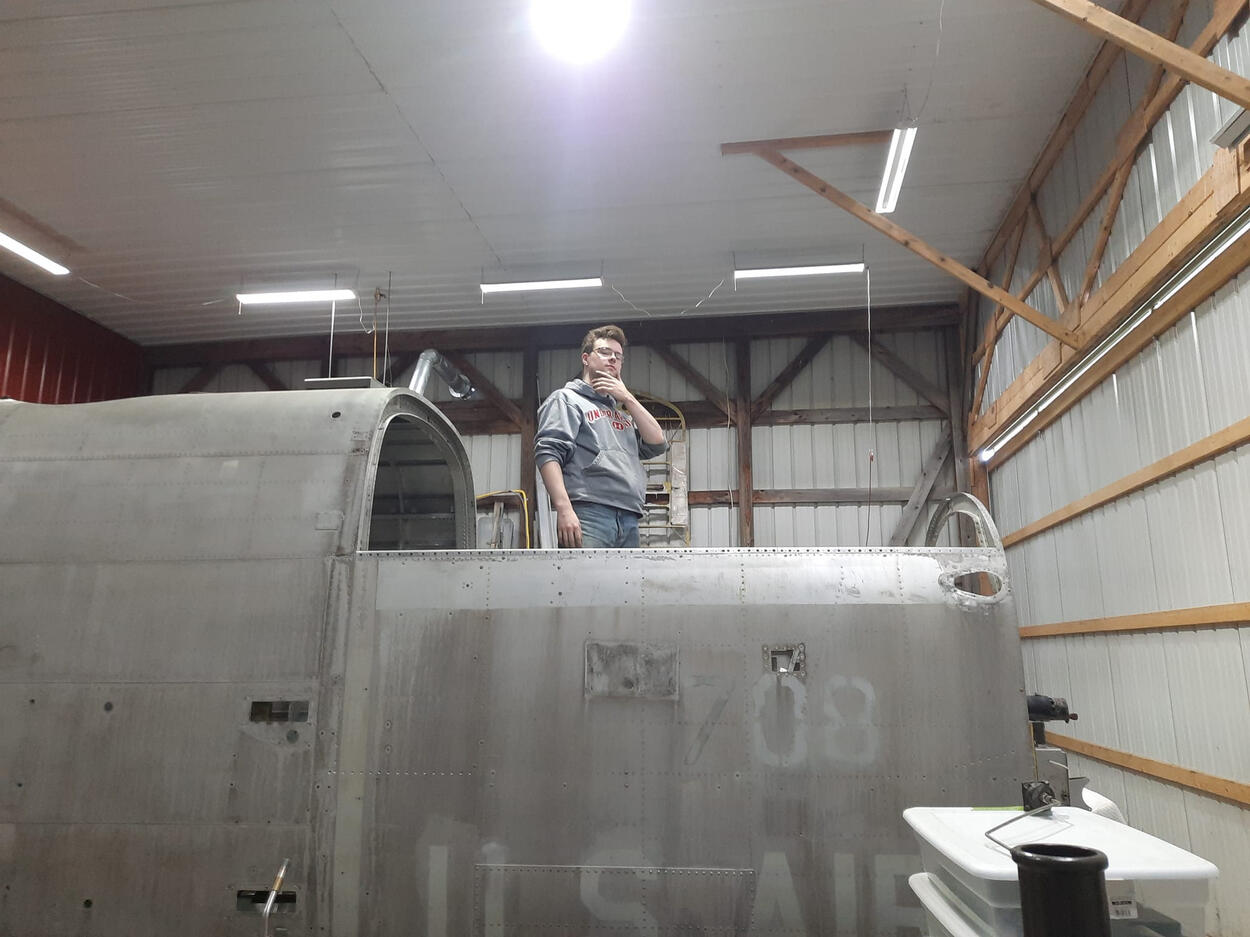
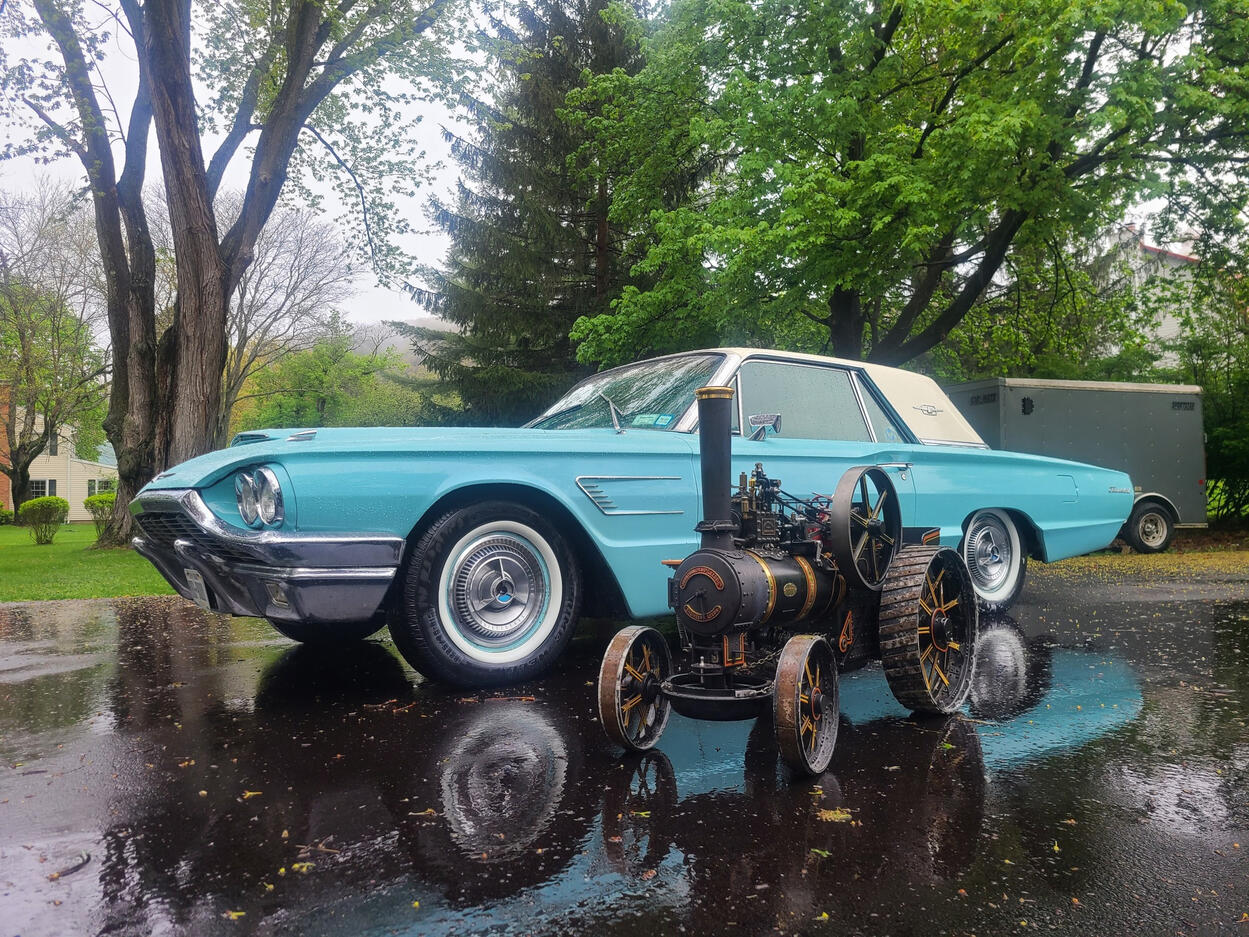
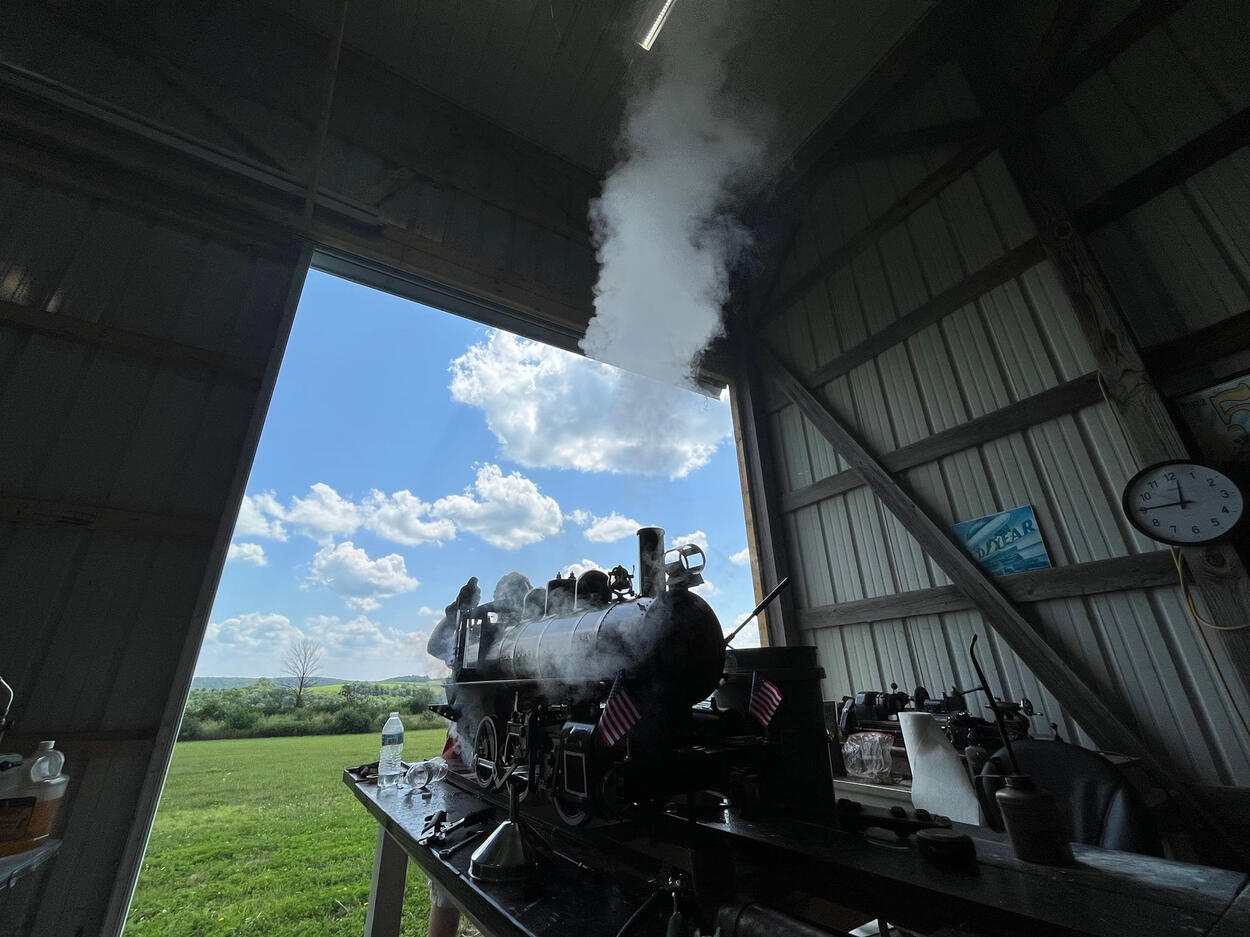
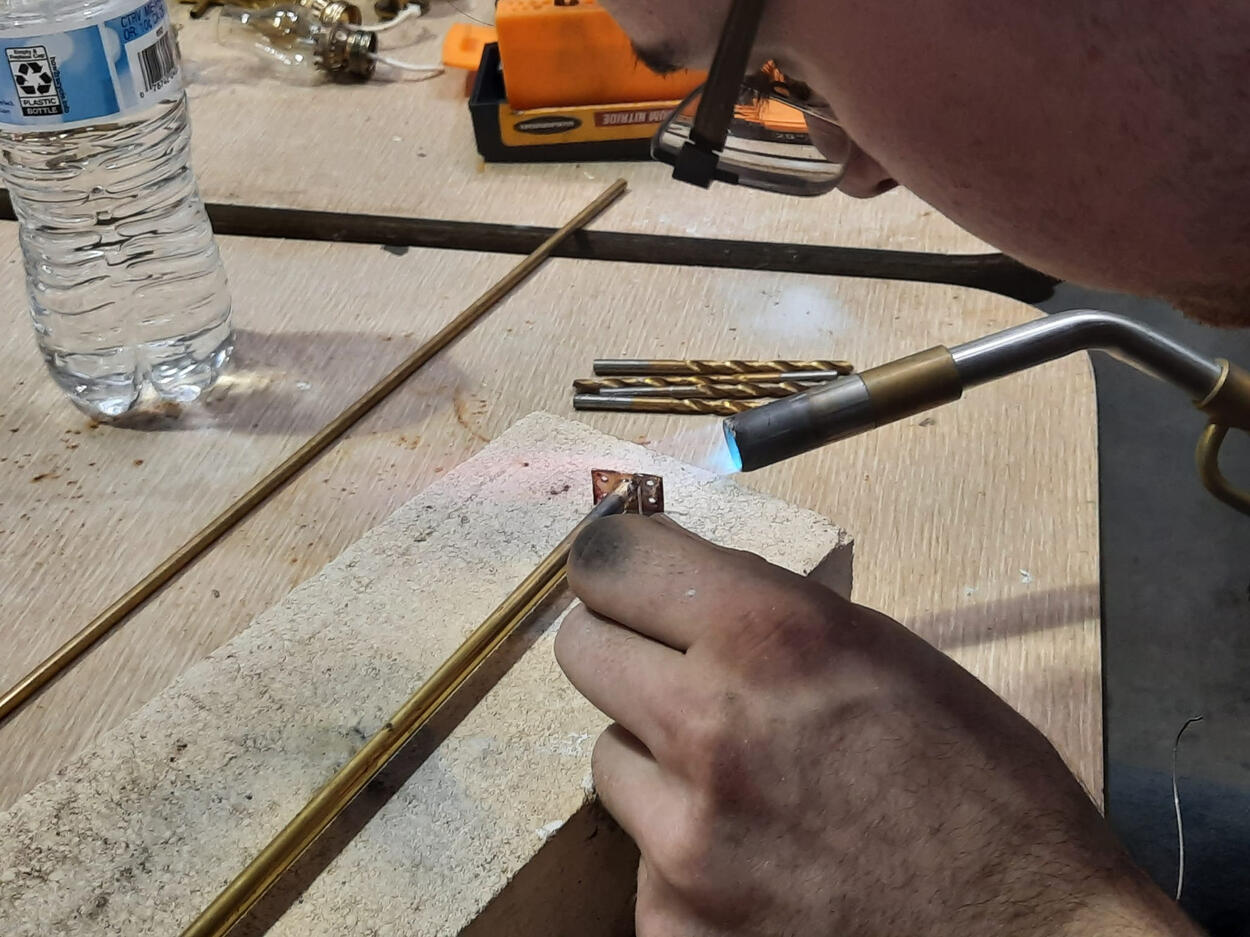
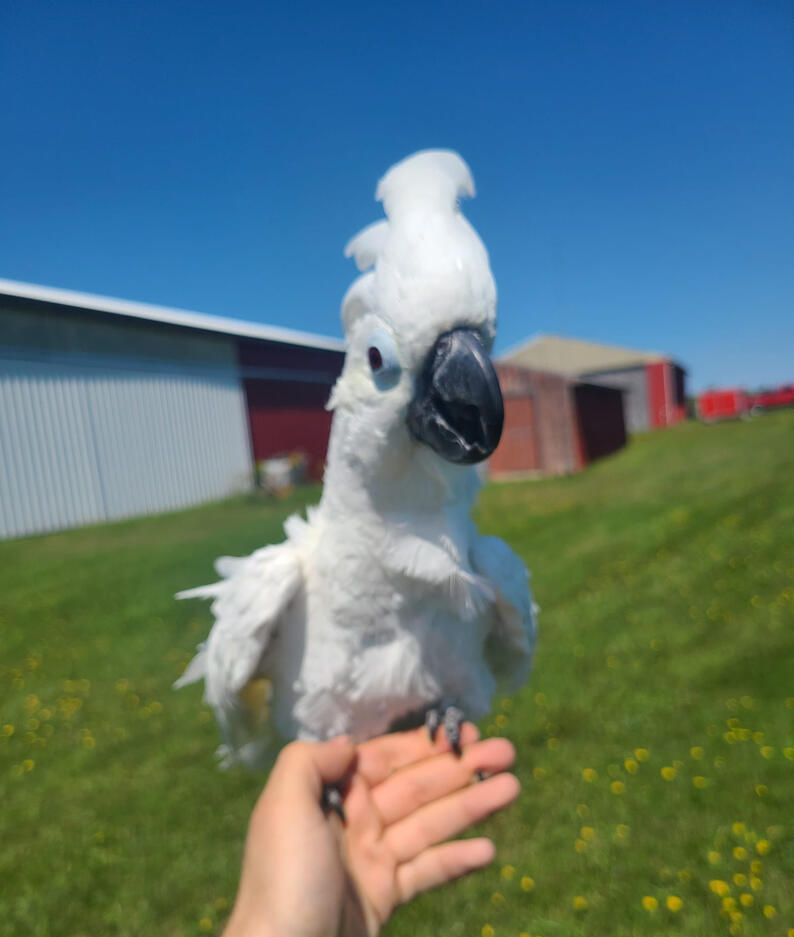
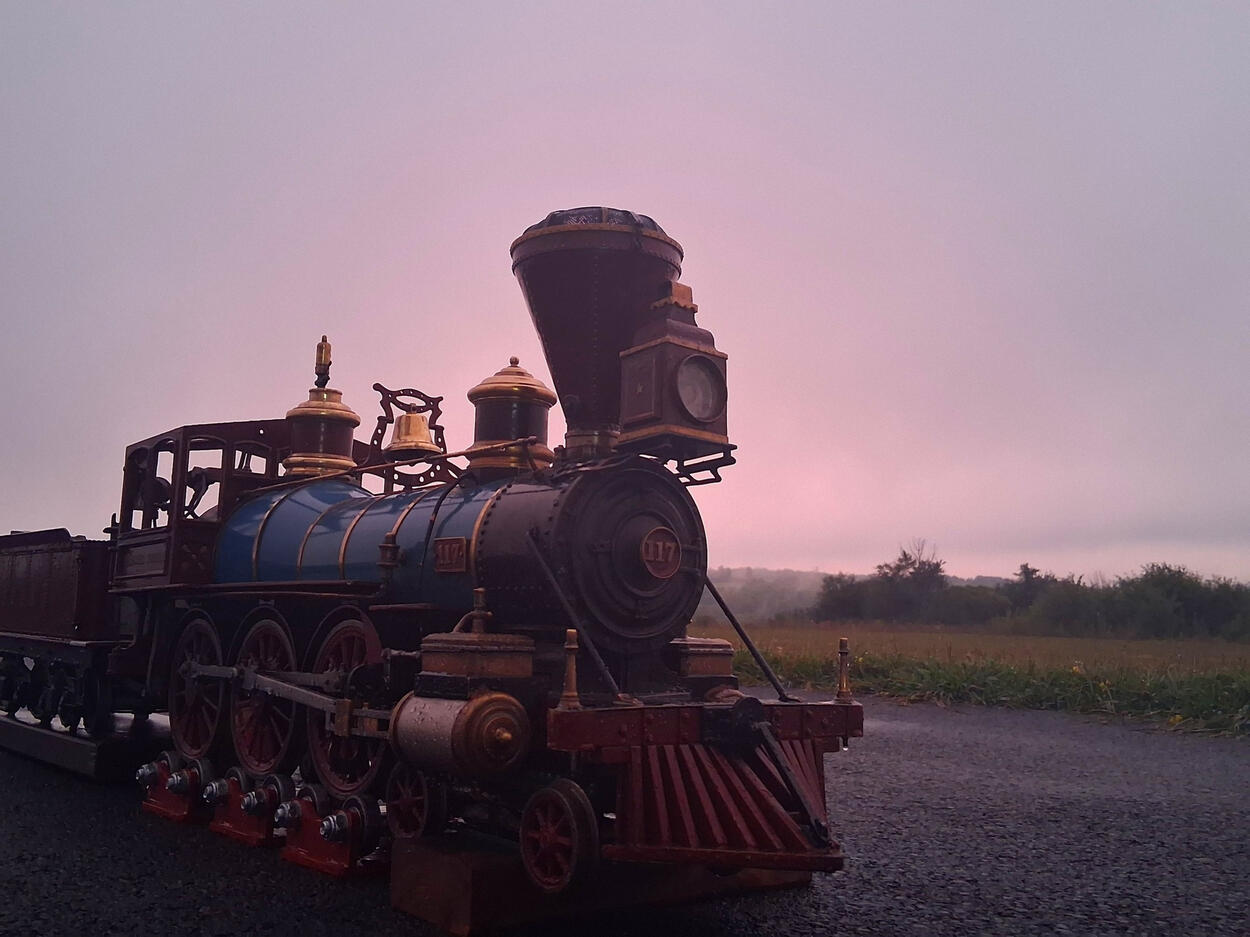
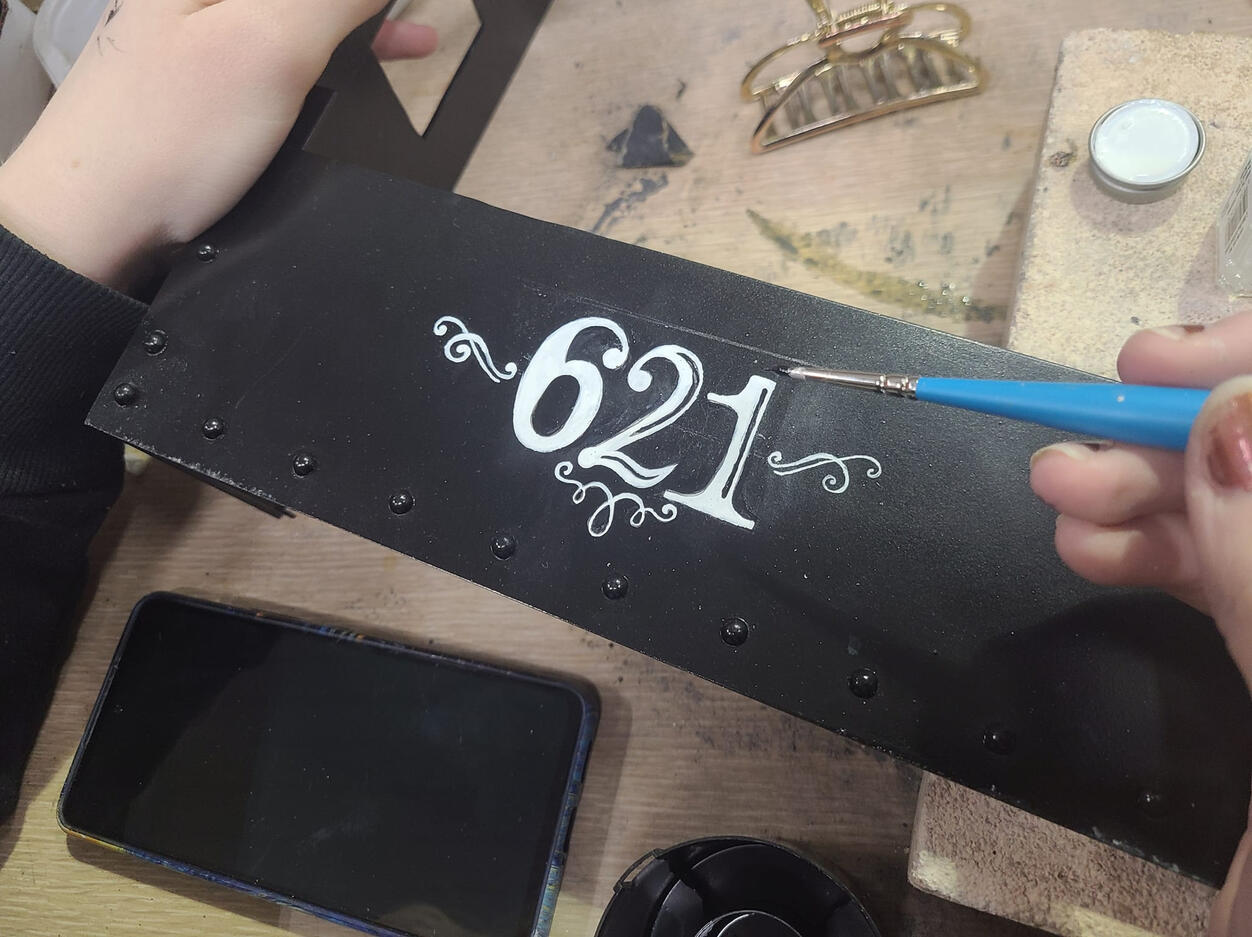
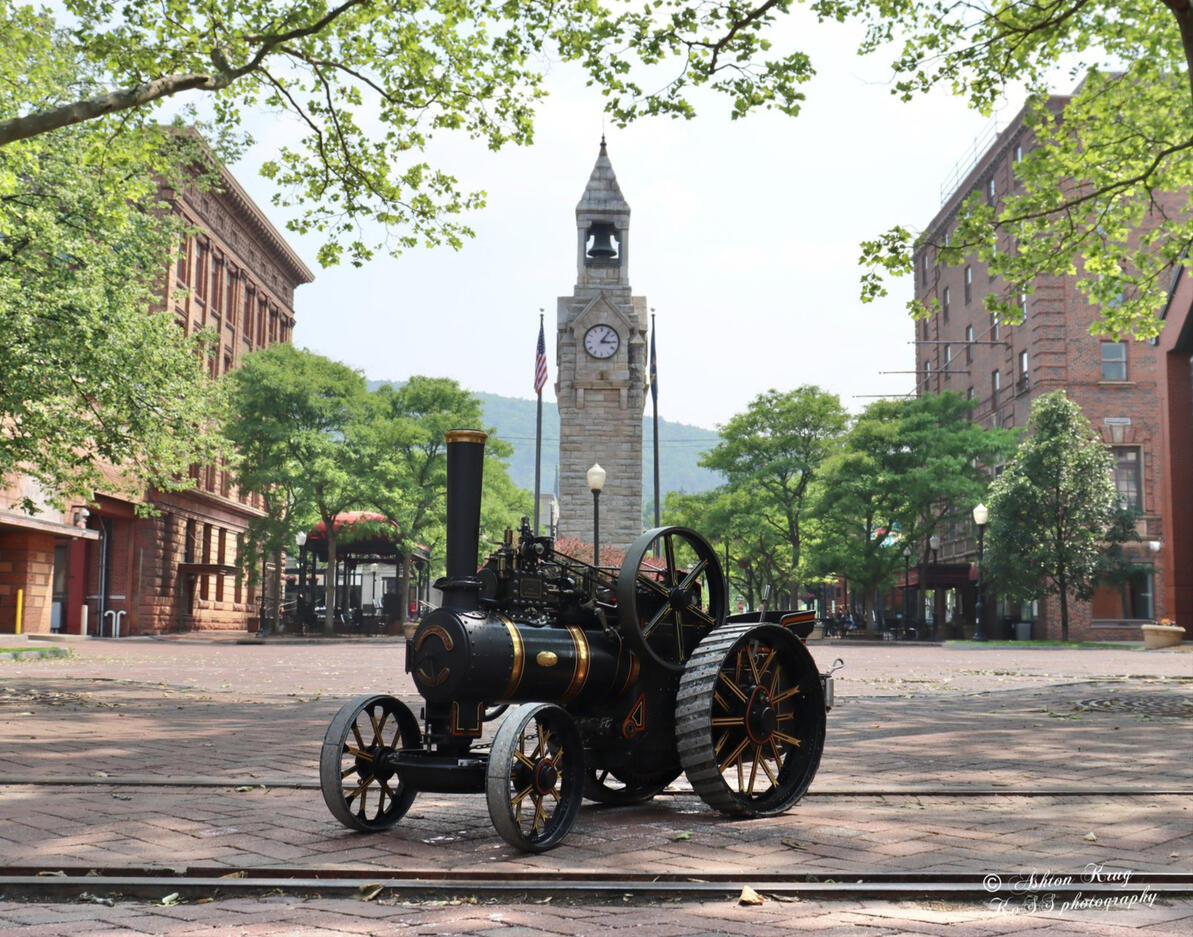
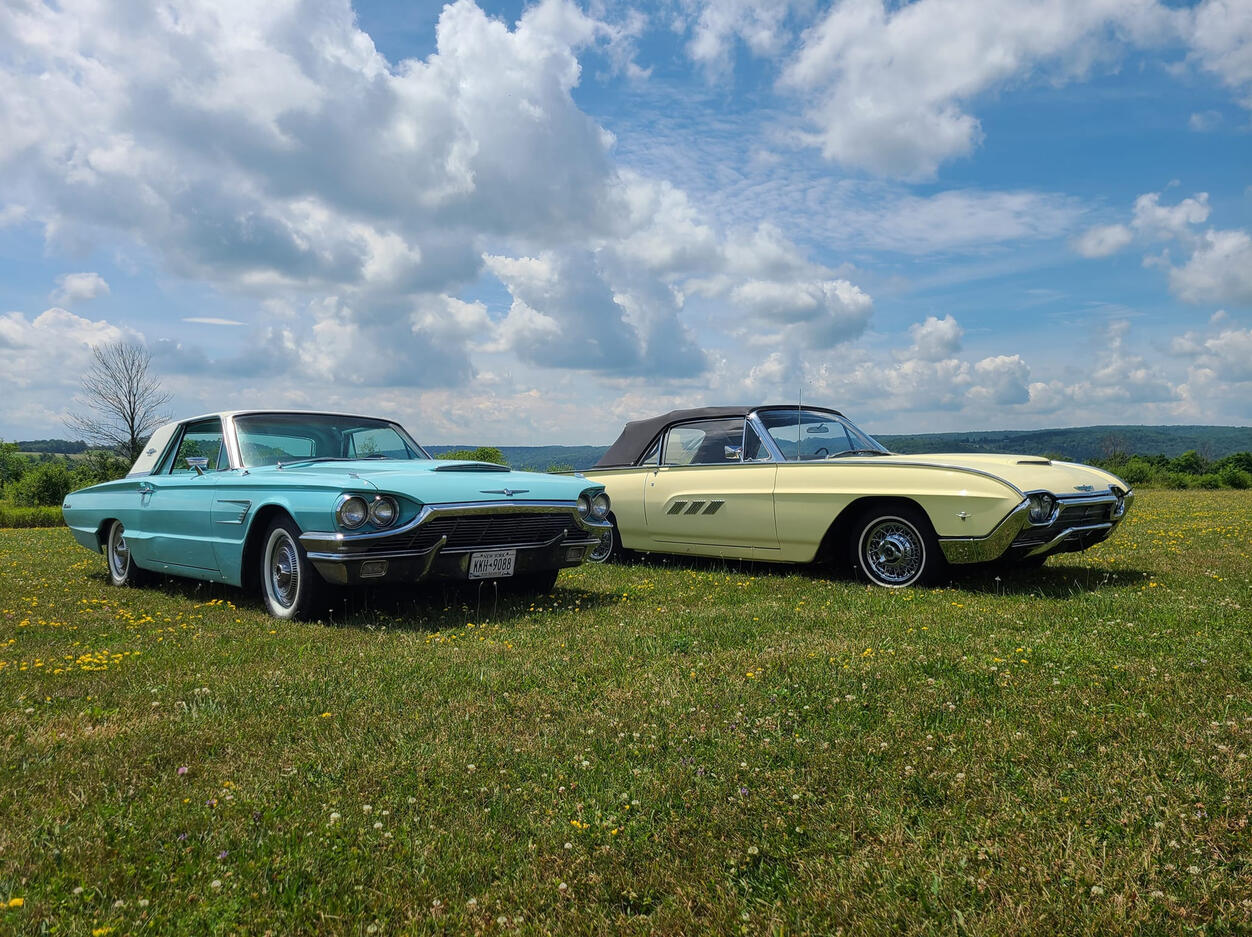
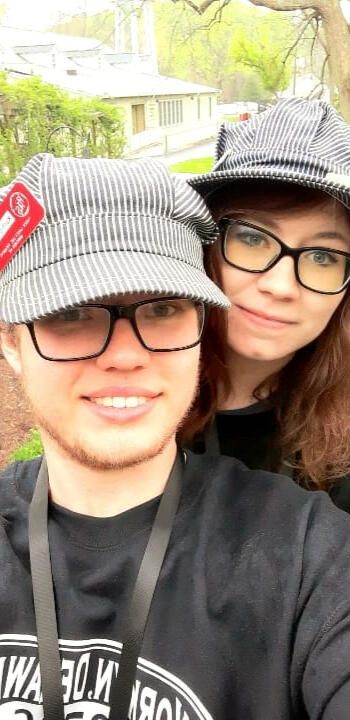
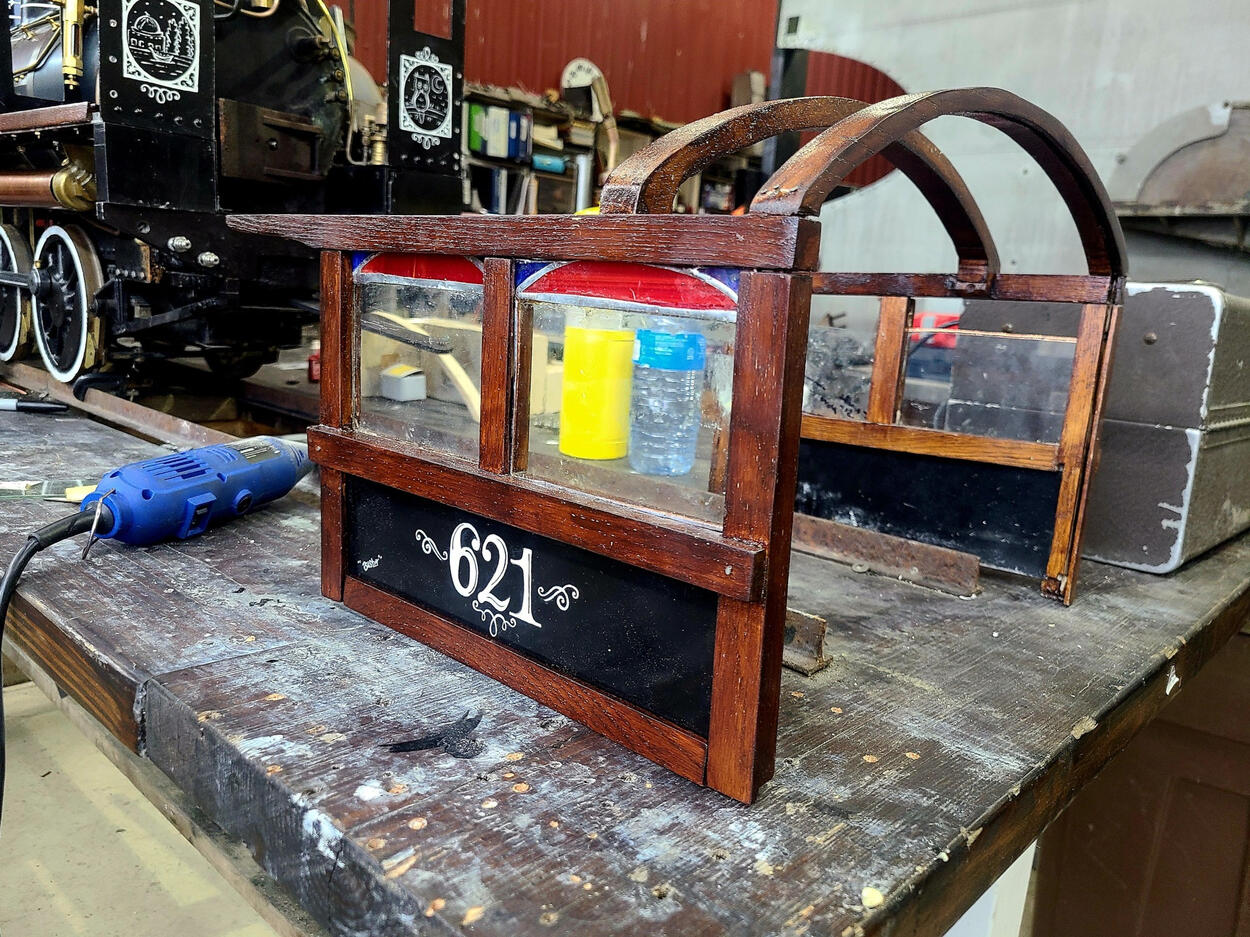
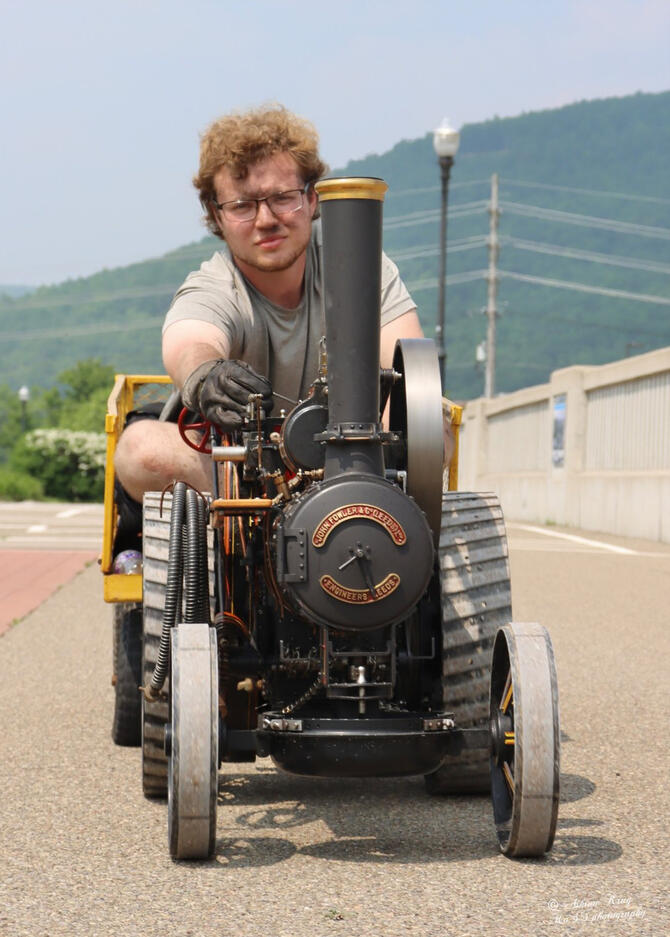
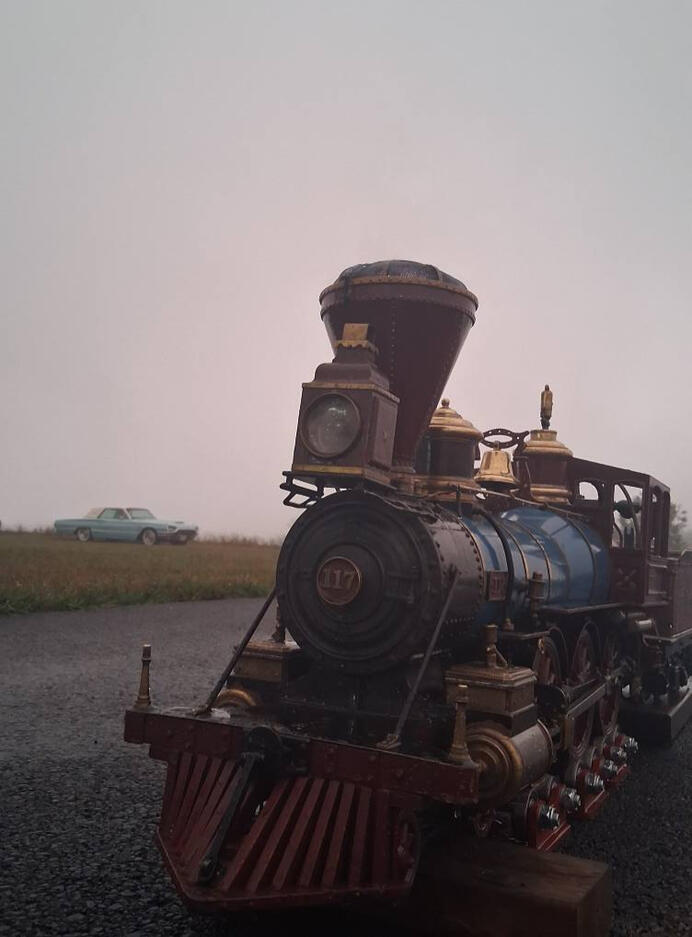
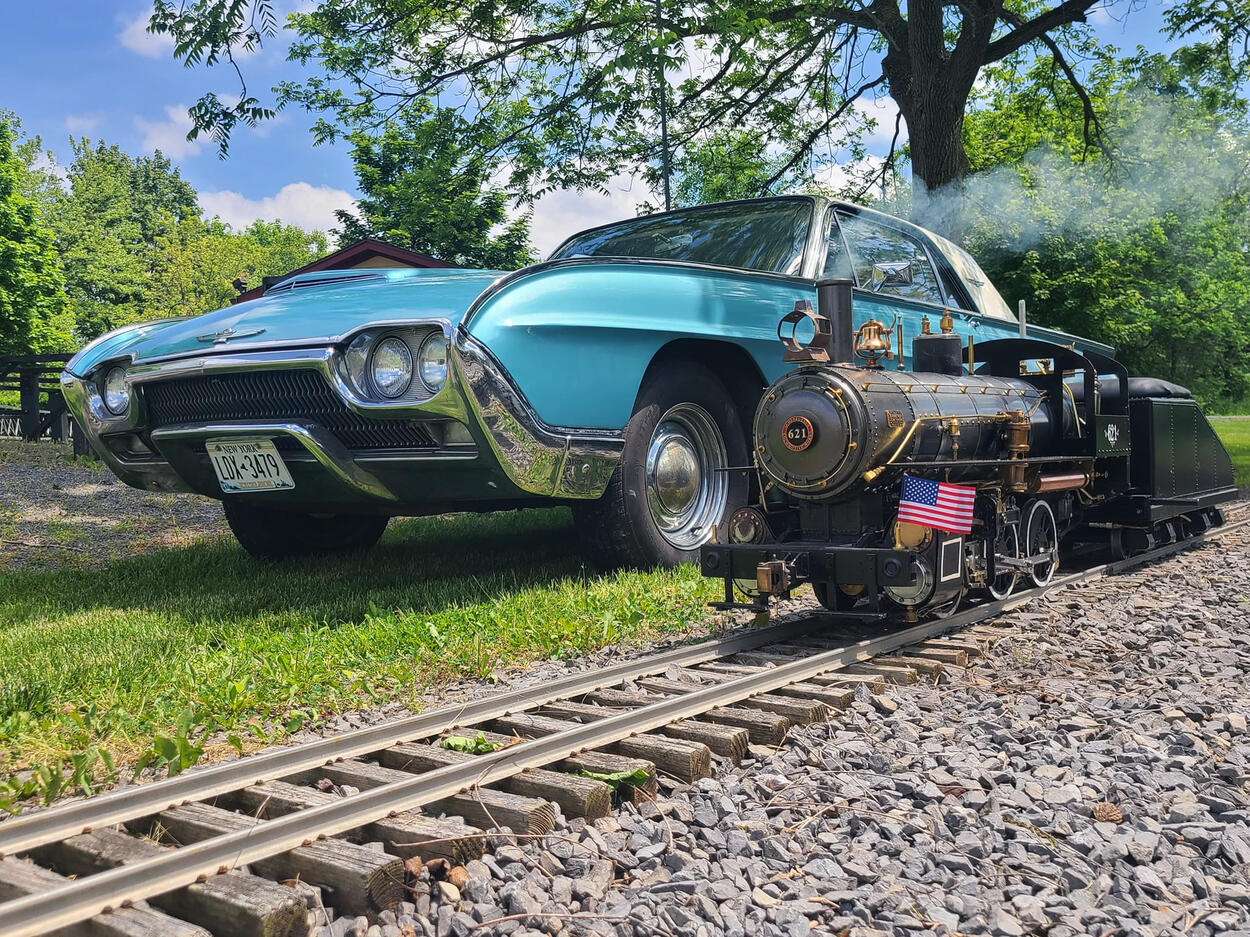
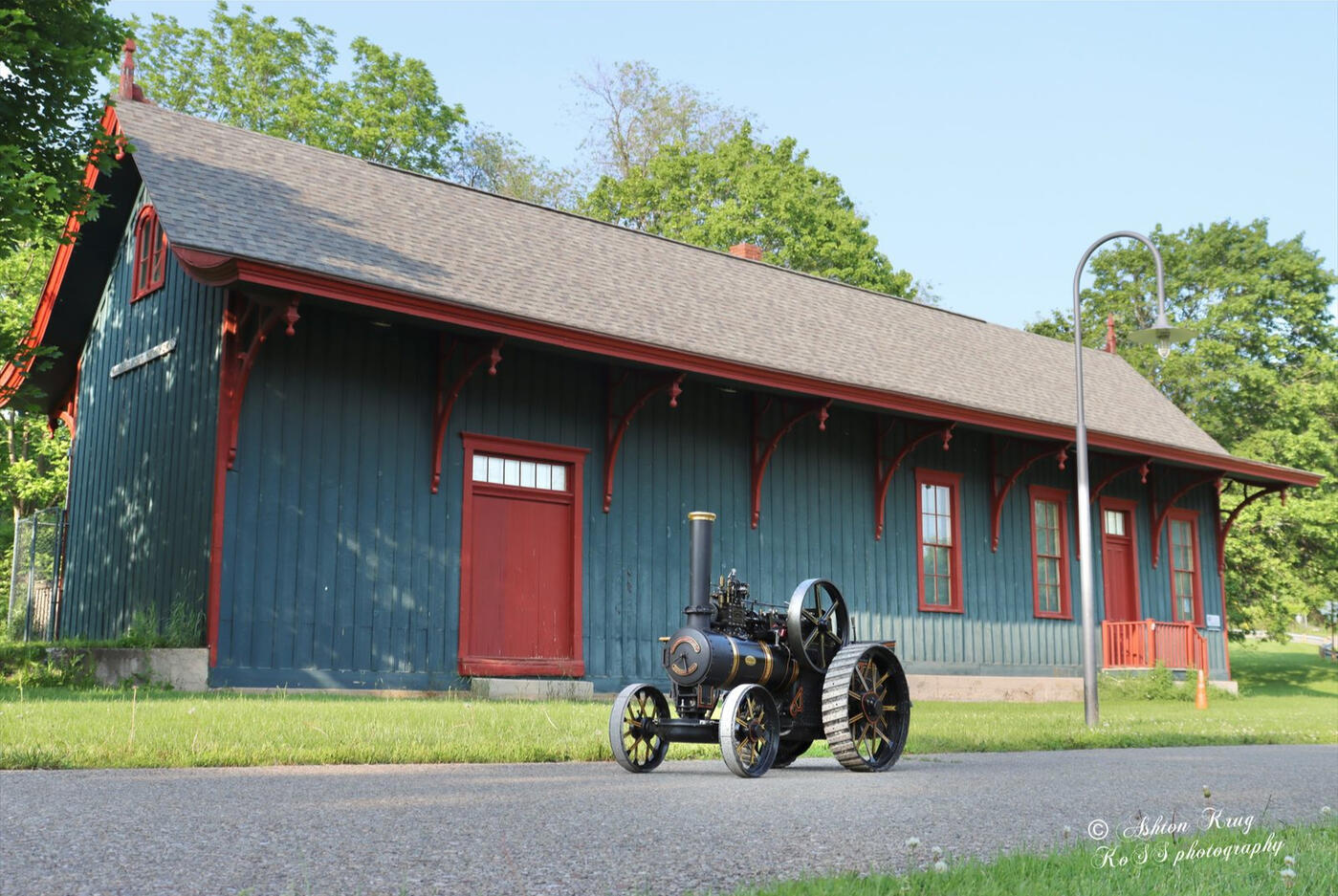
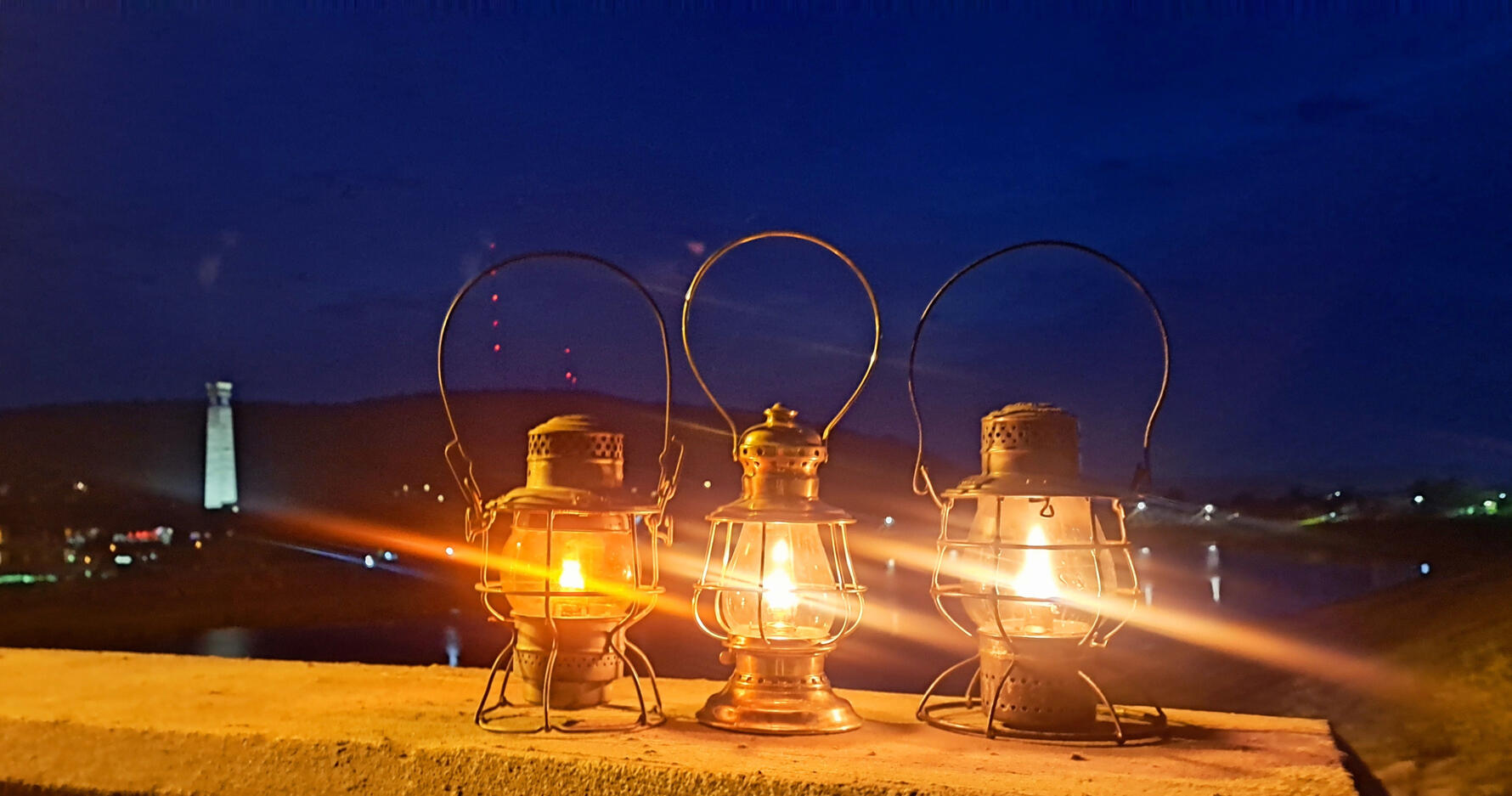
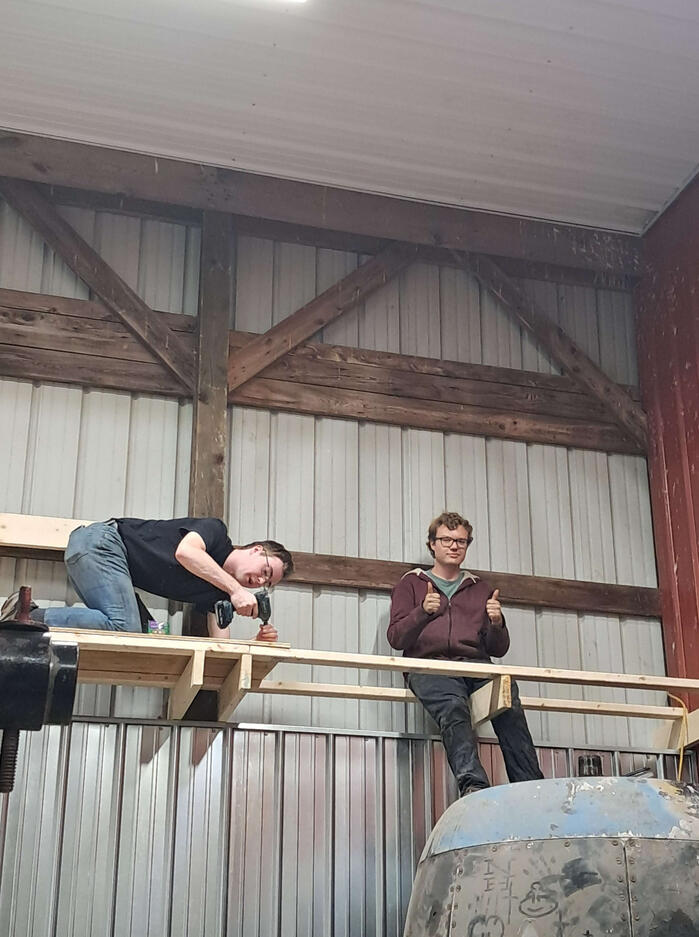
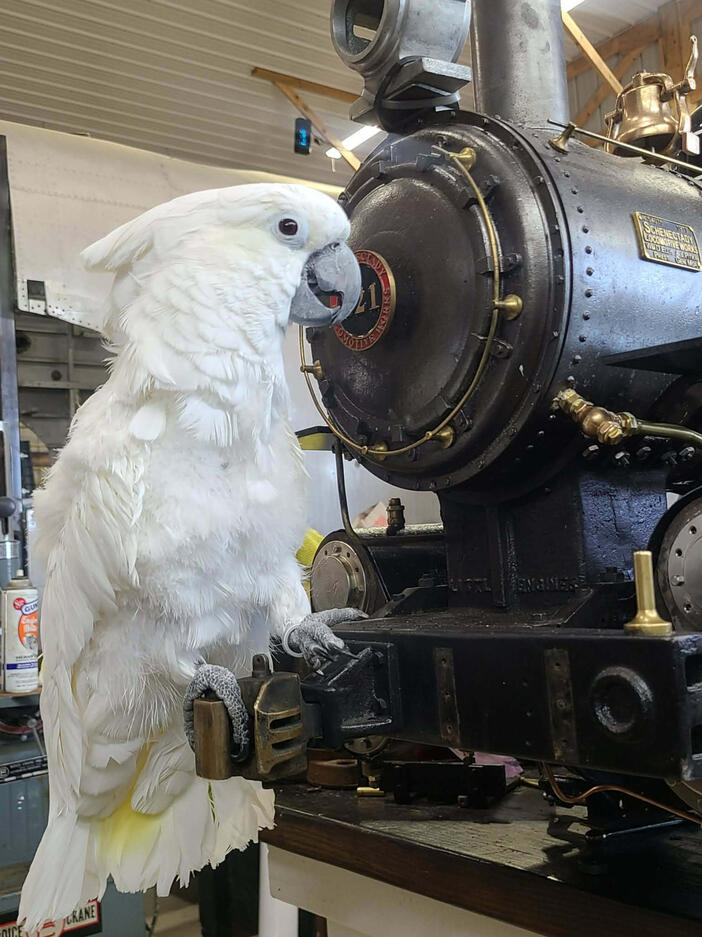
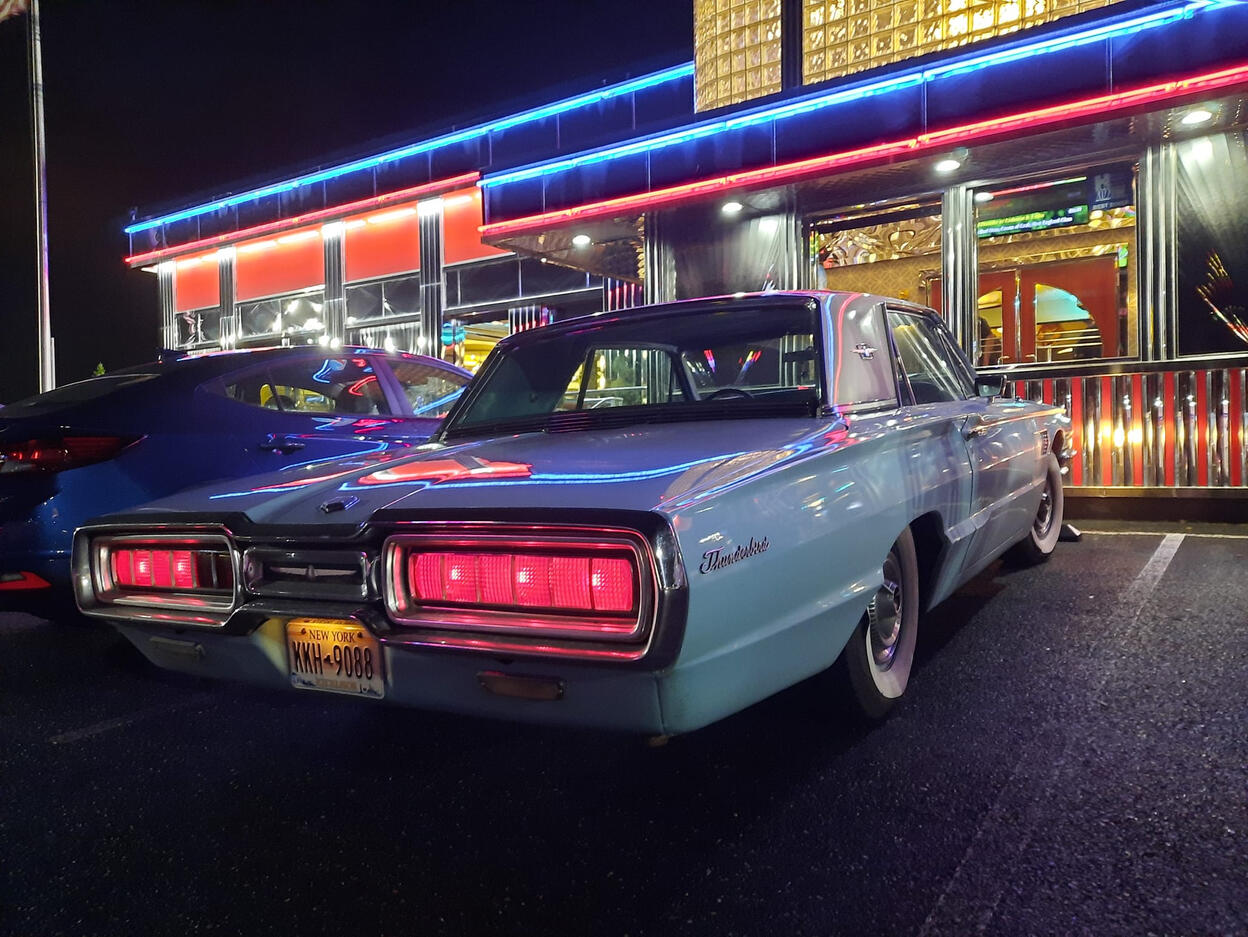
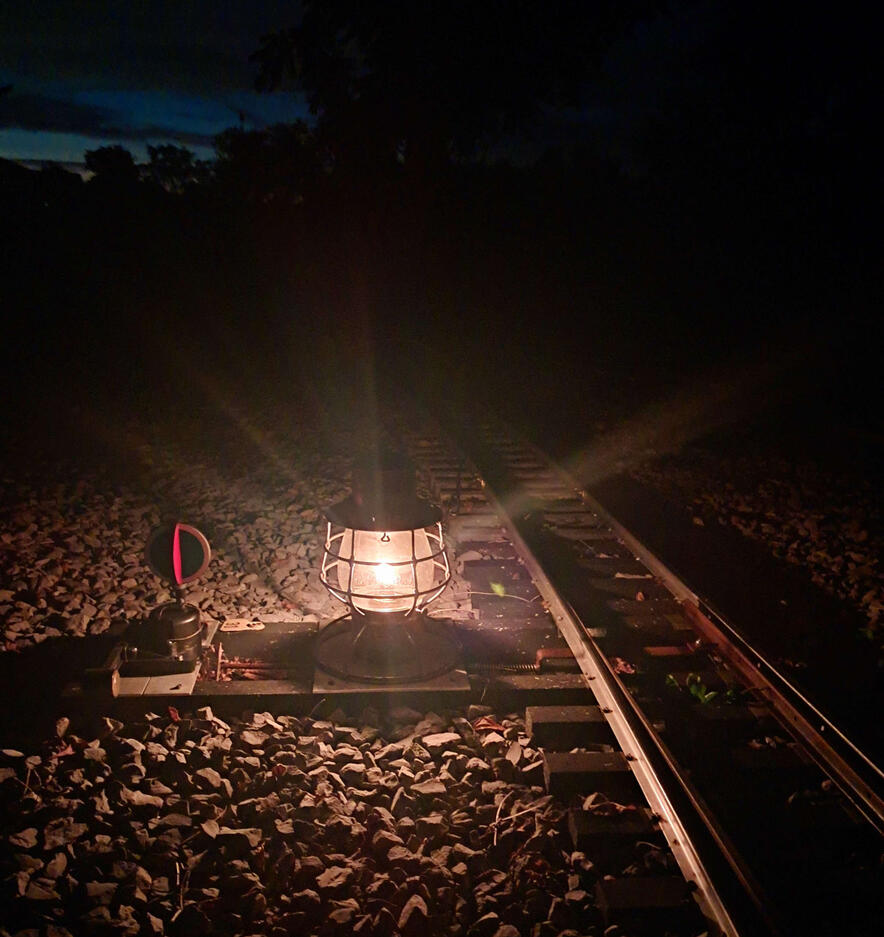
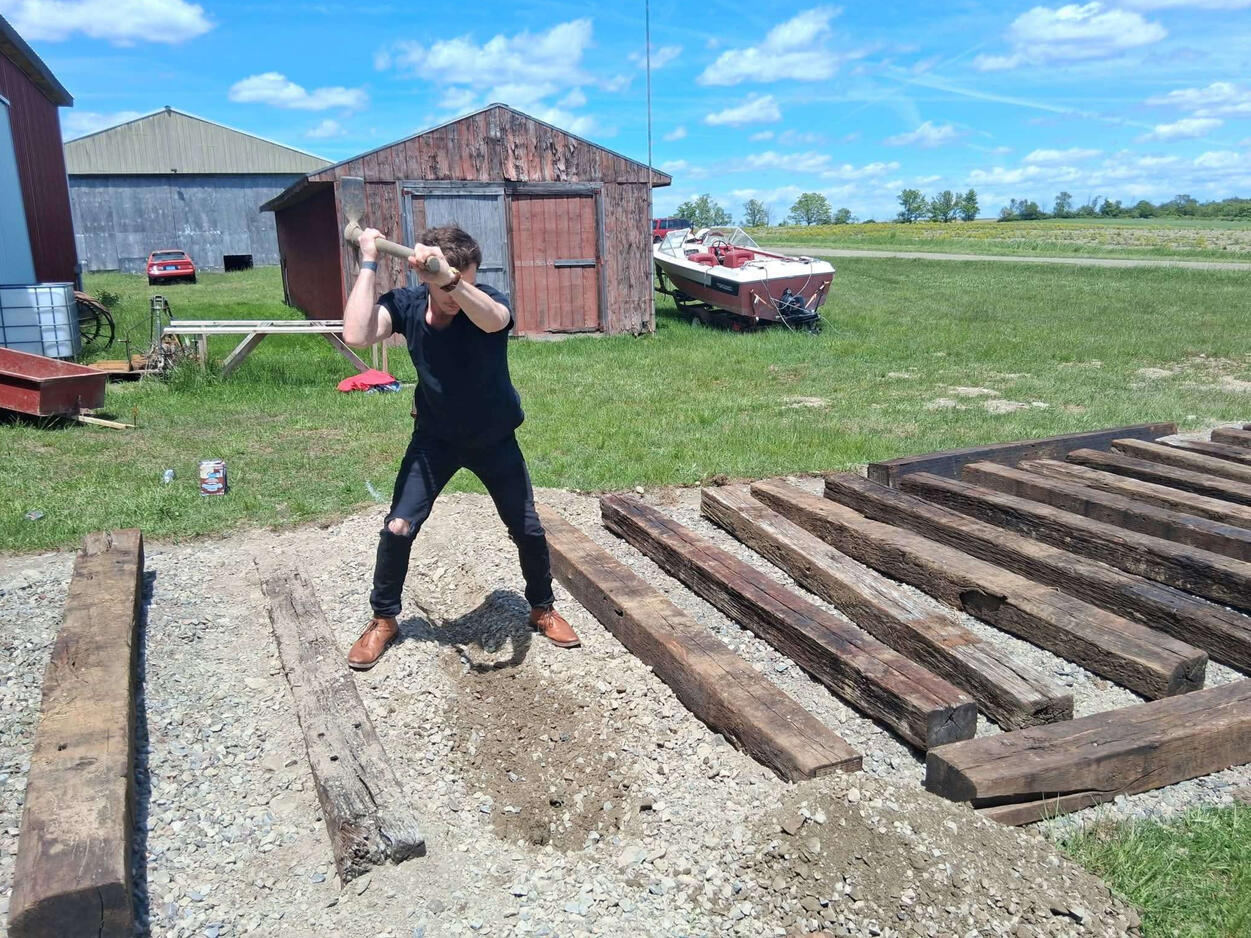
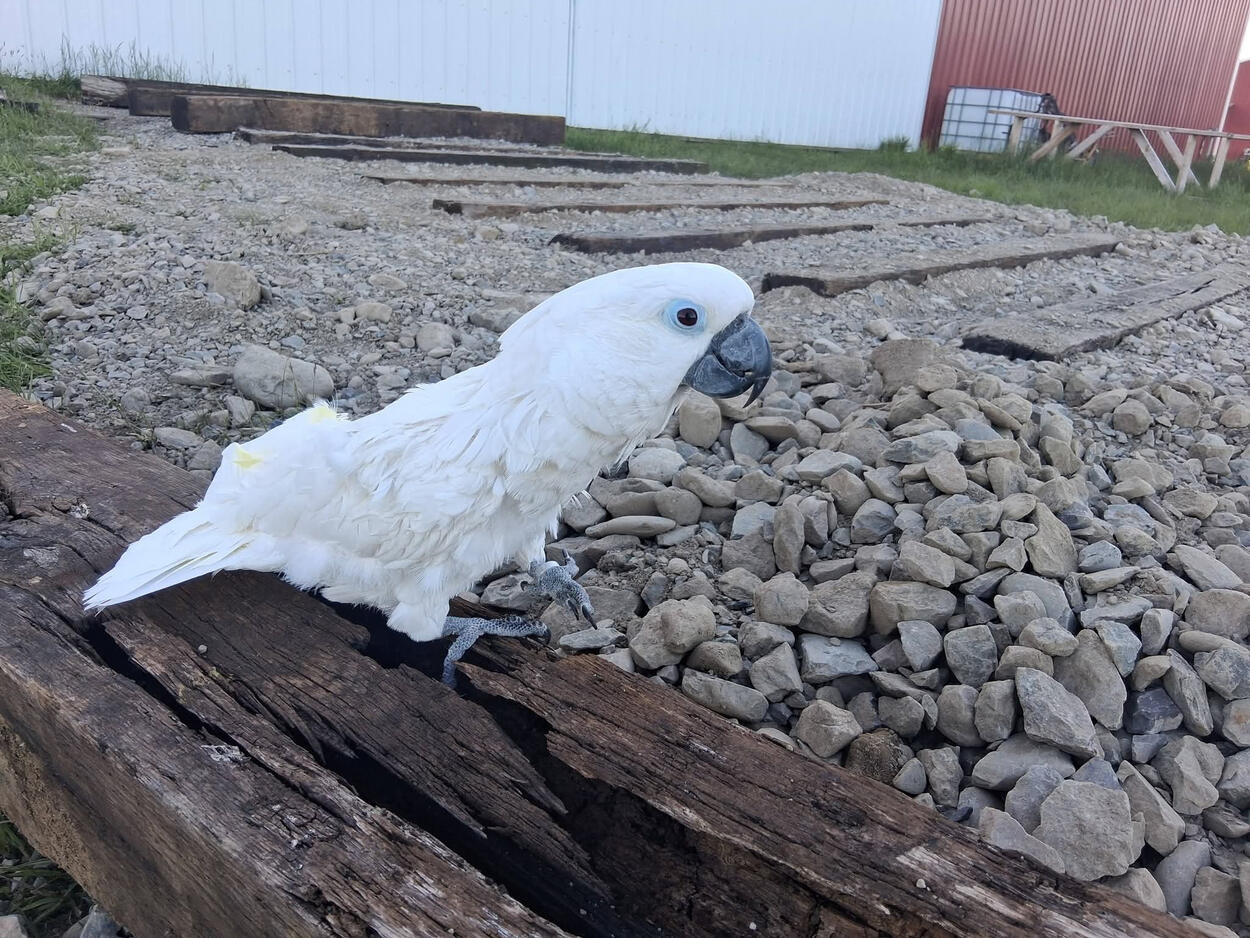
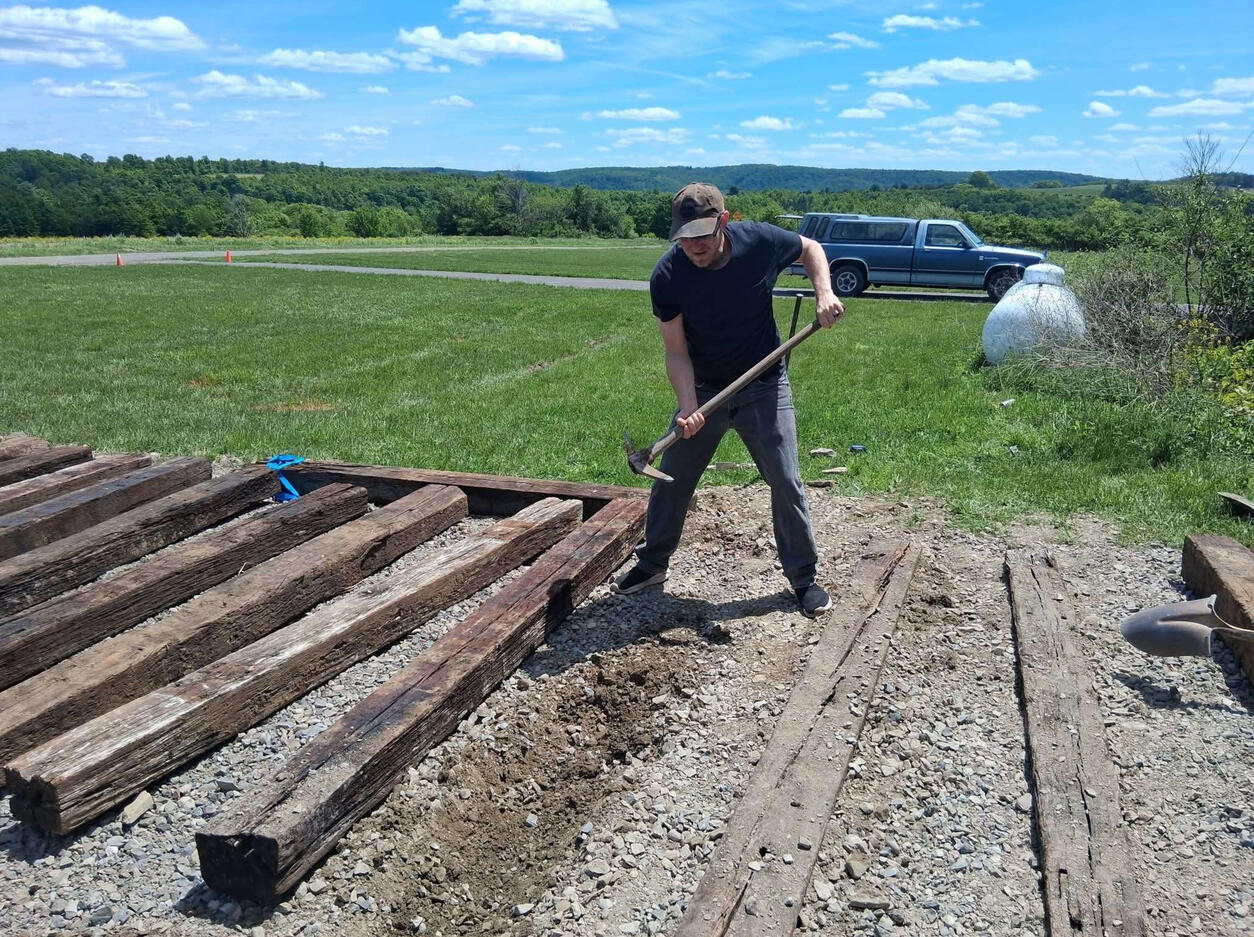
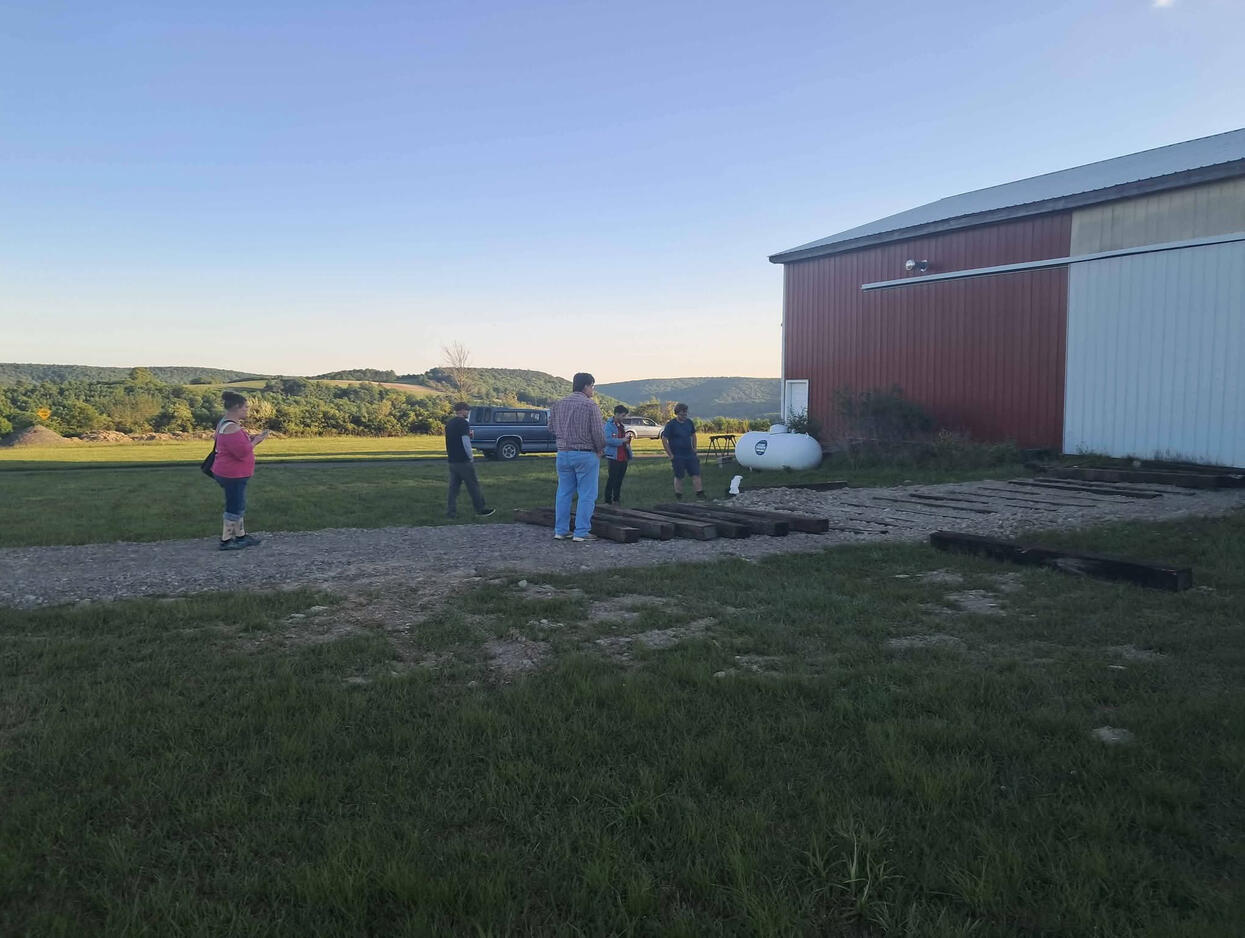
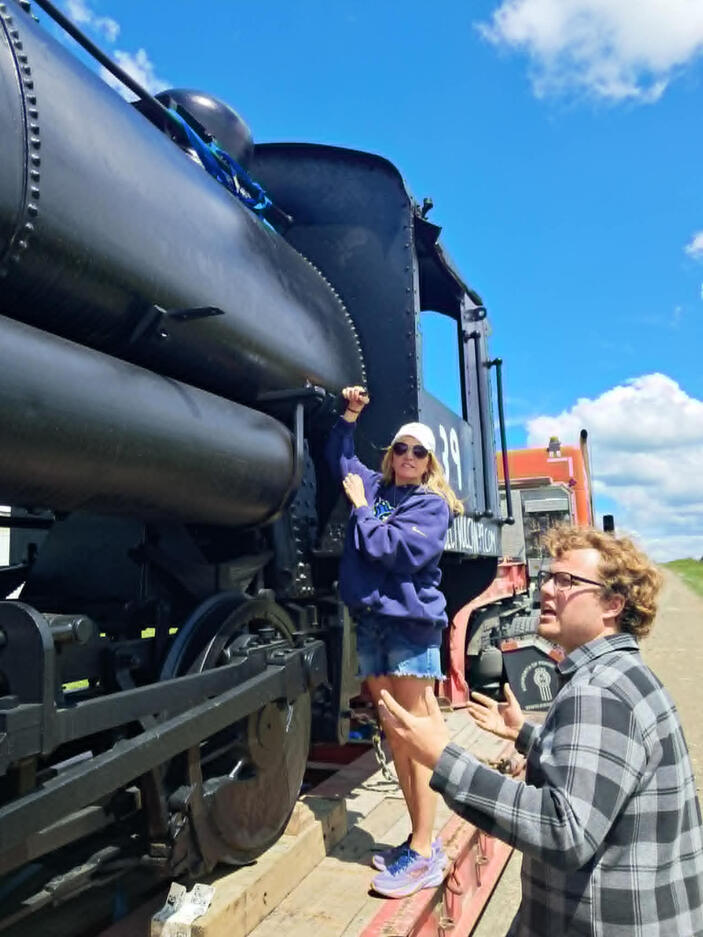
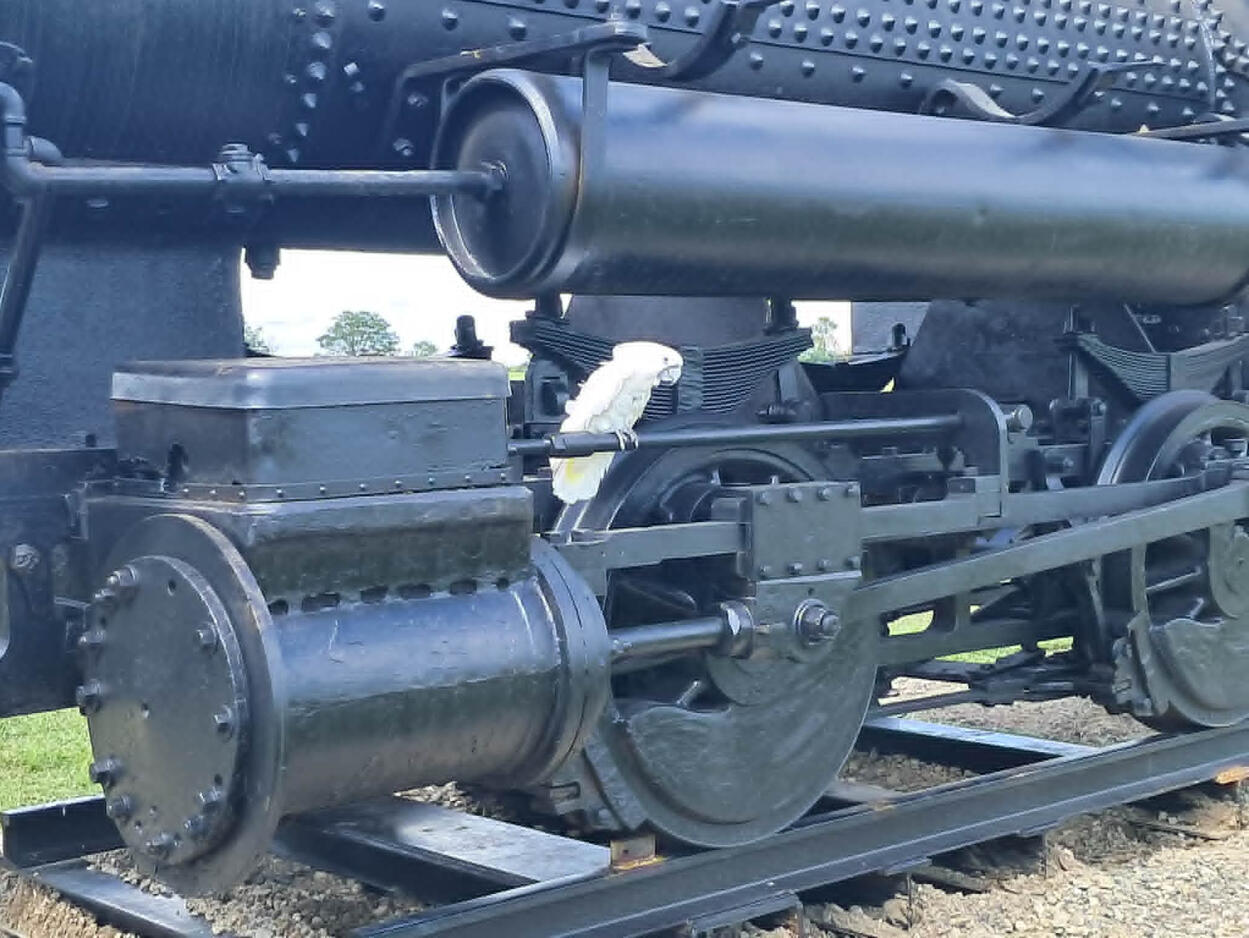
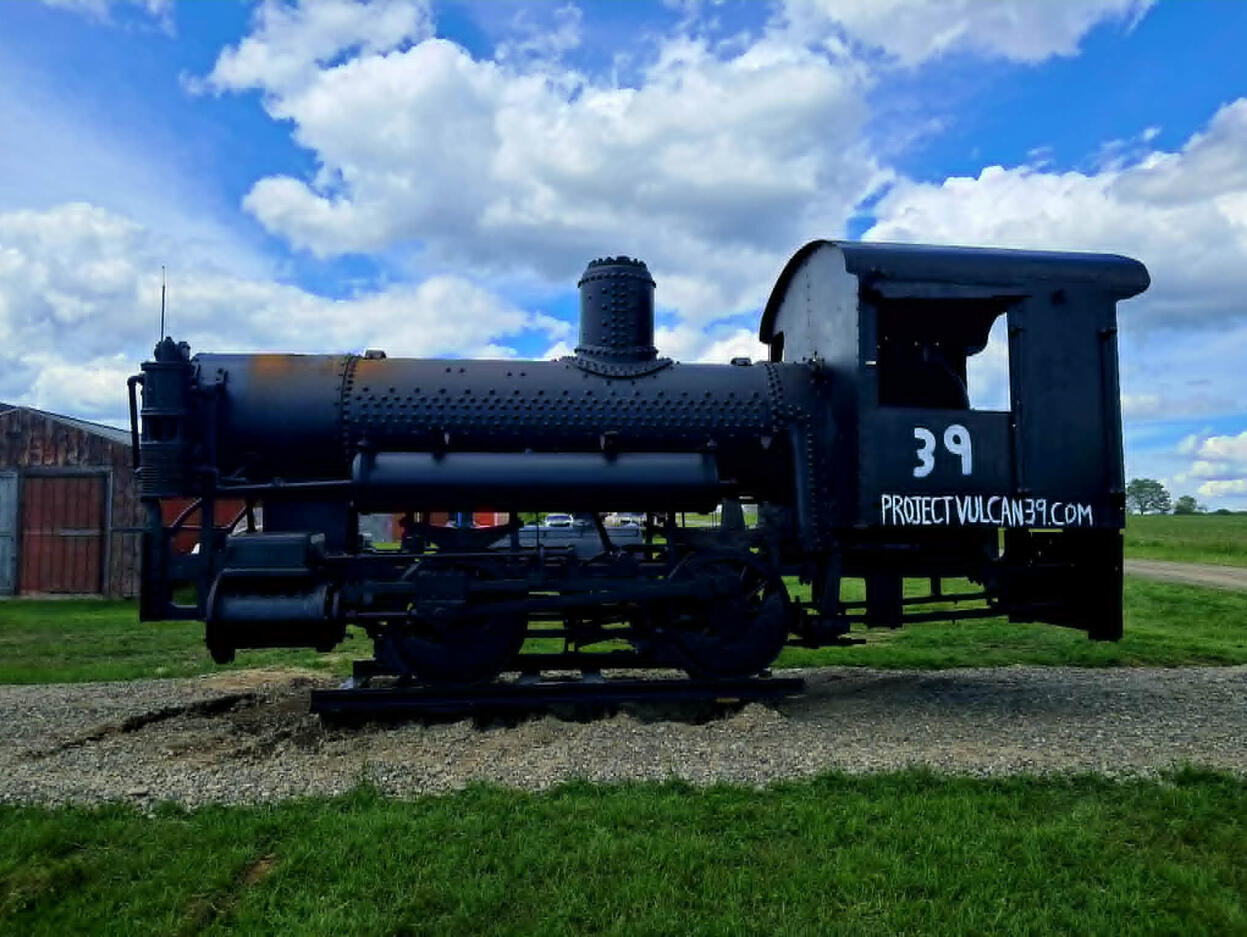
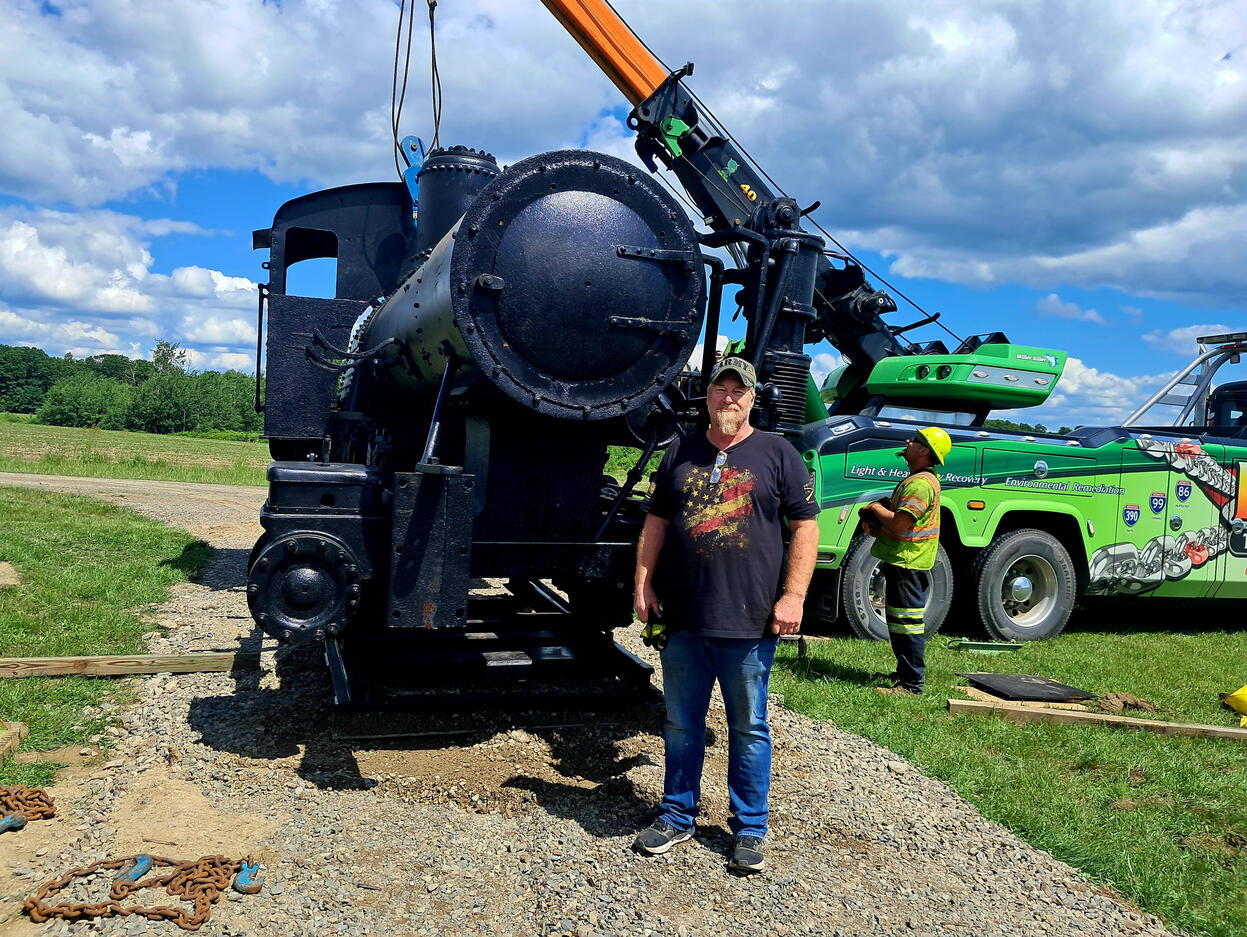
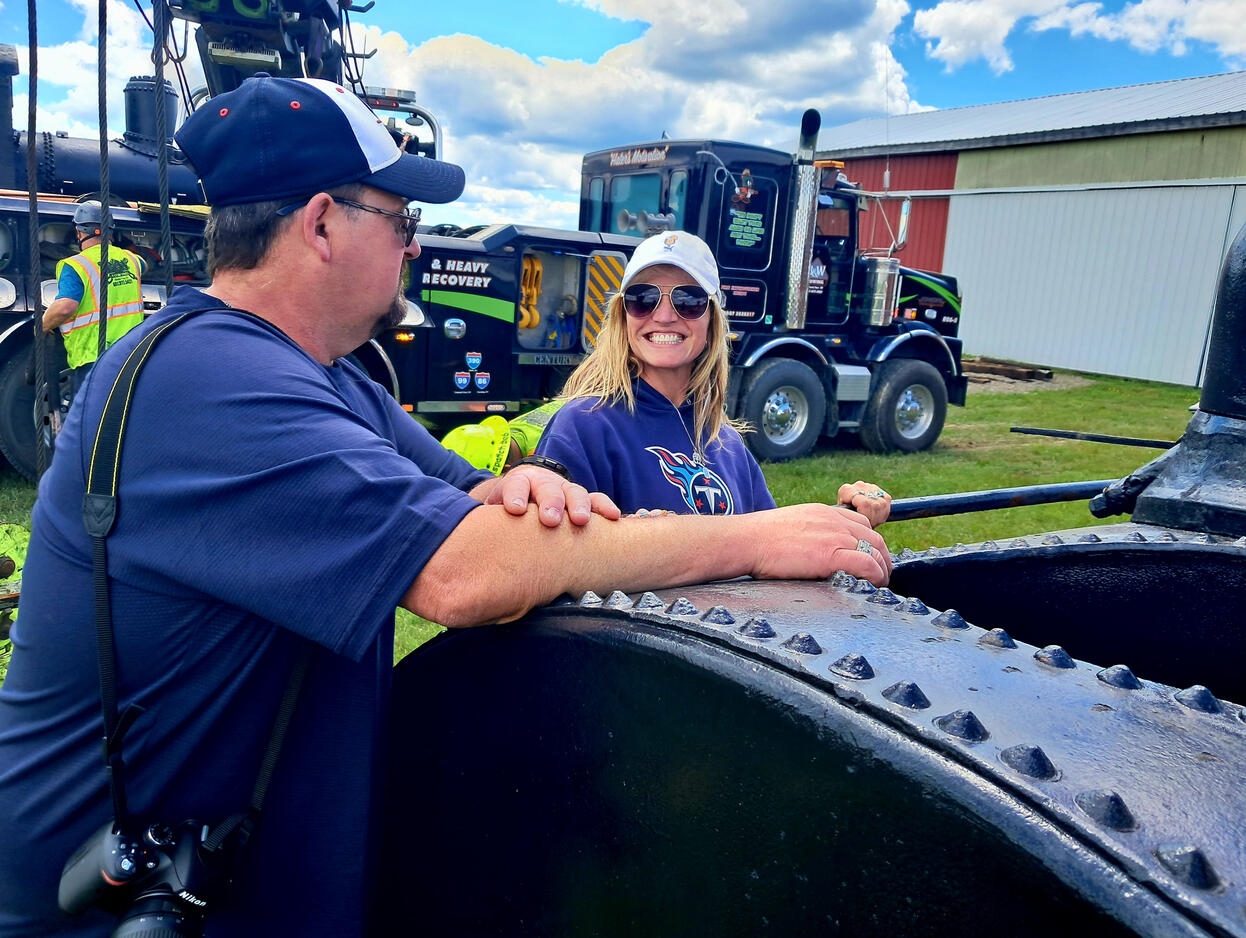
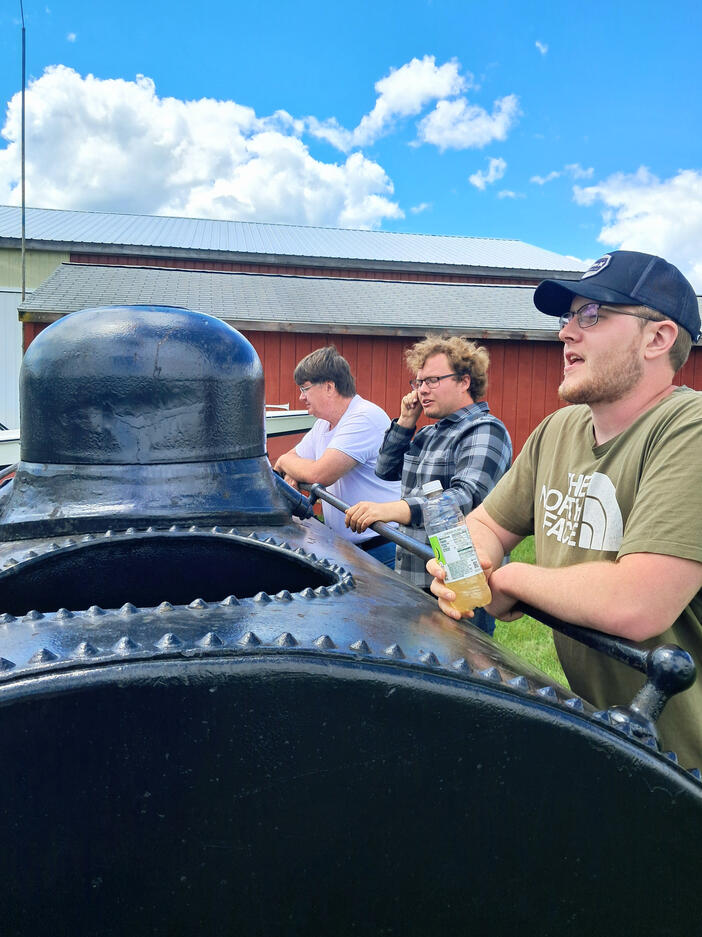
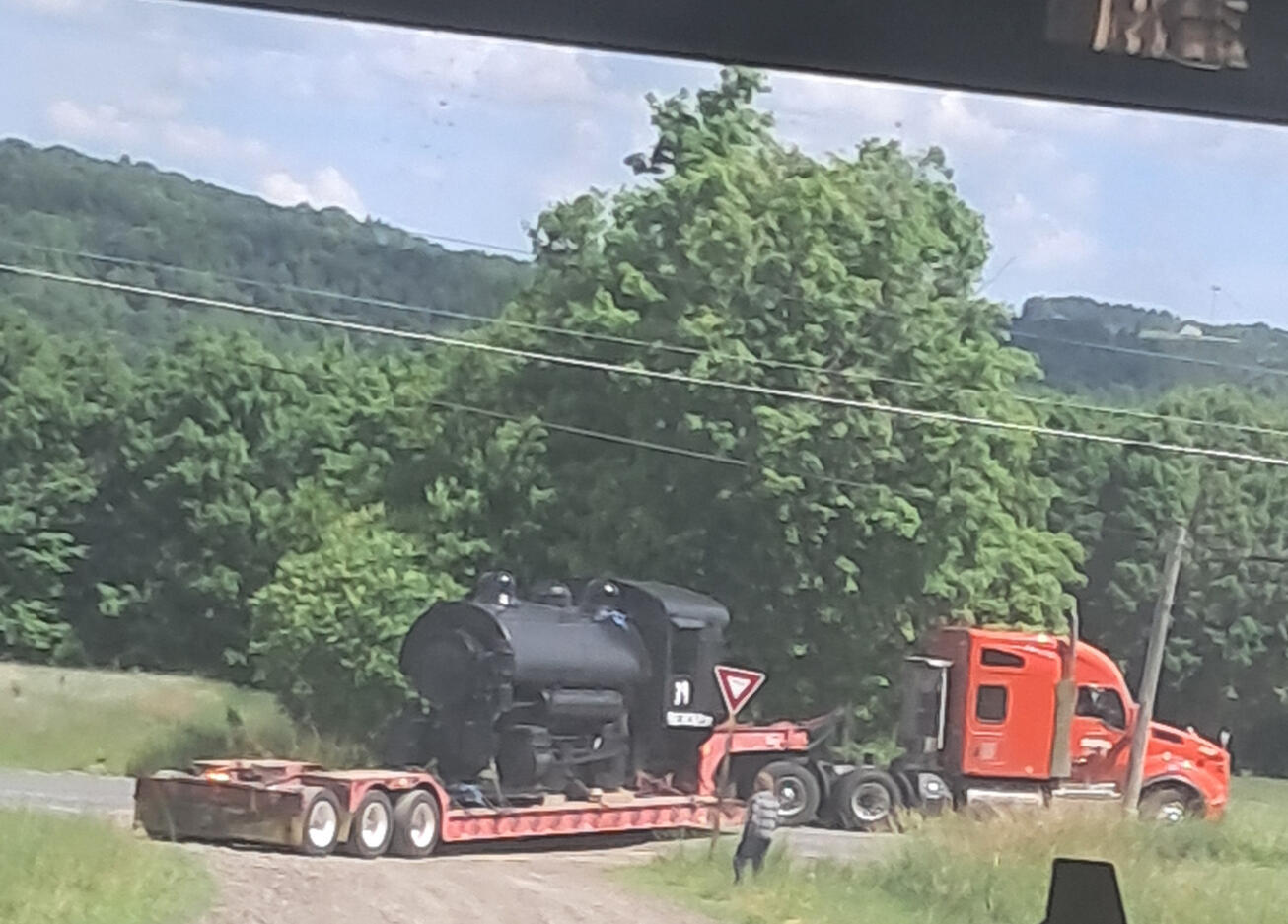
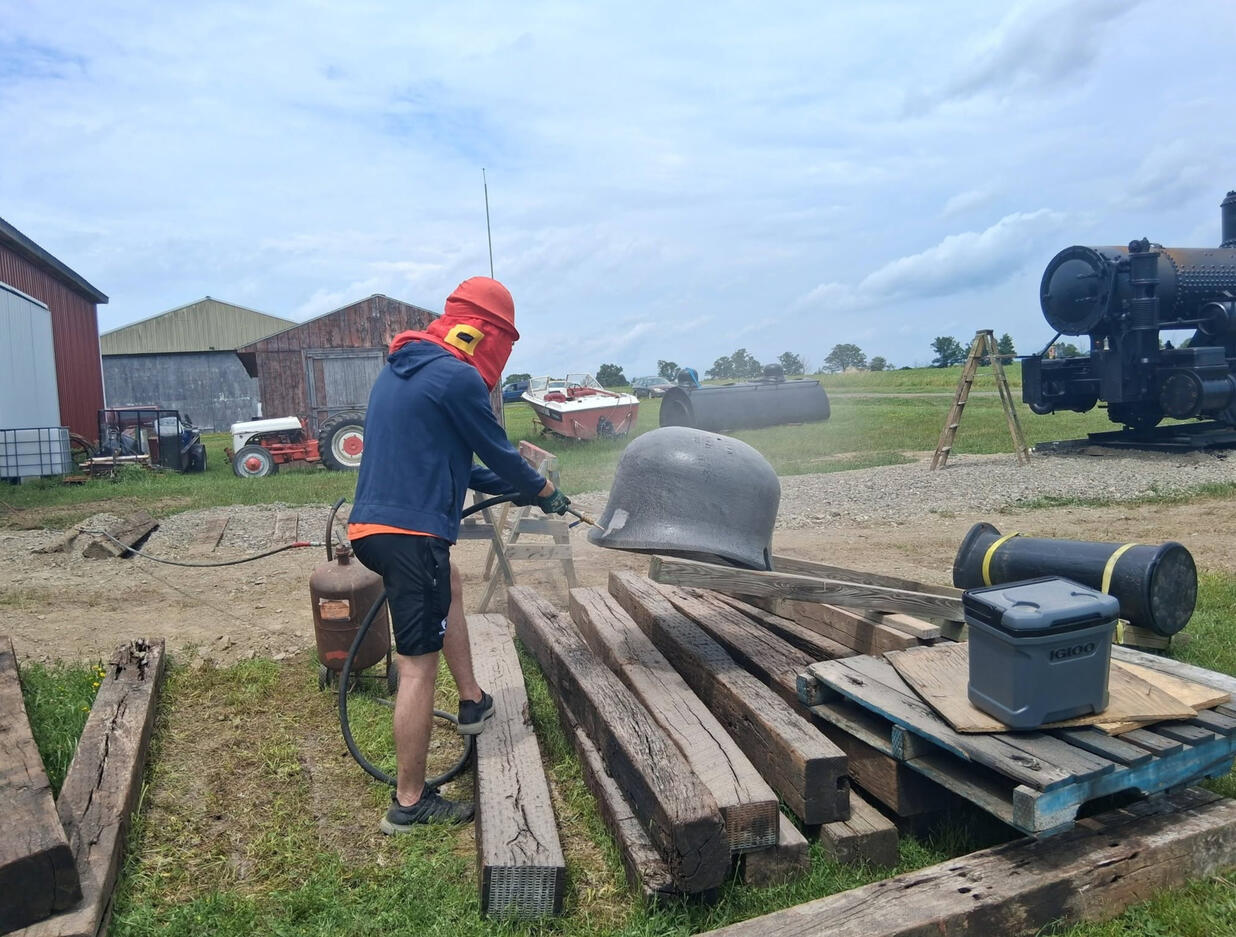
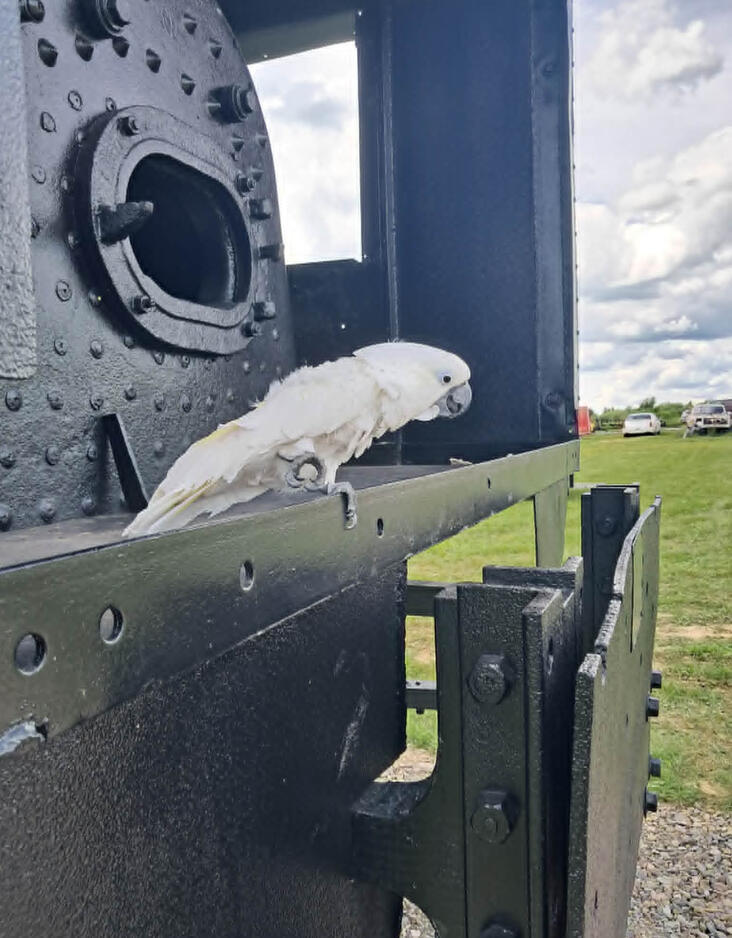
Enjoy some of our favorite pictures from our adventures!
our story
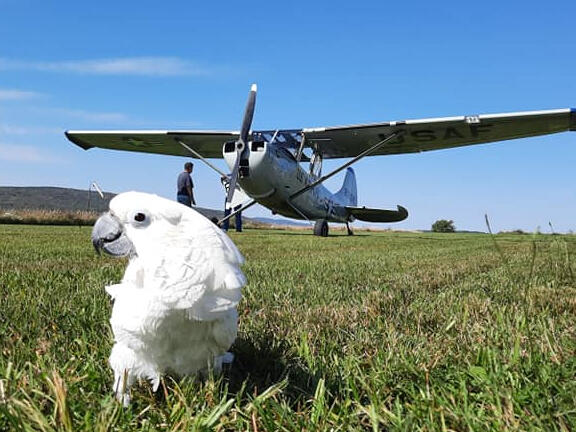
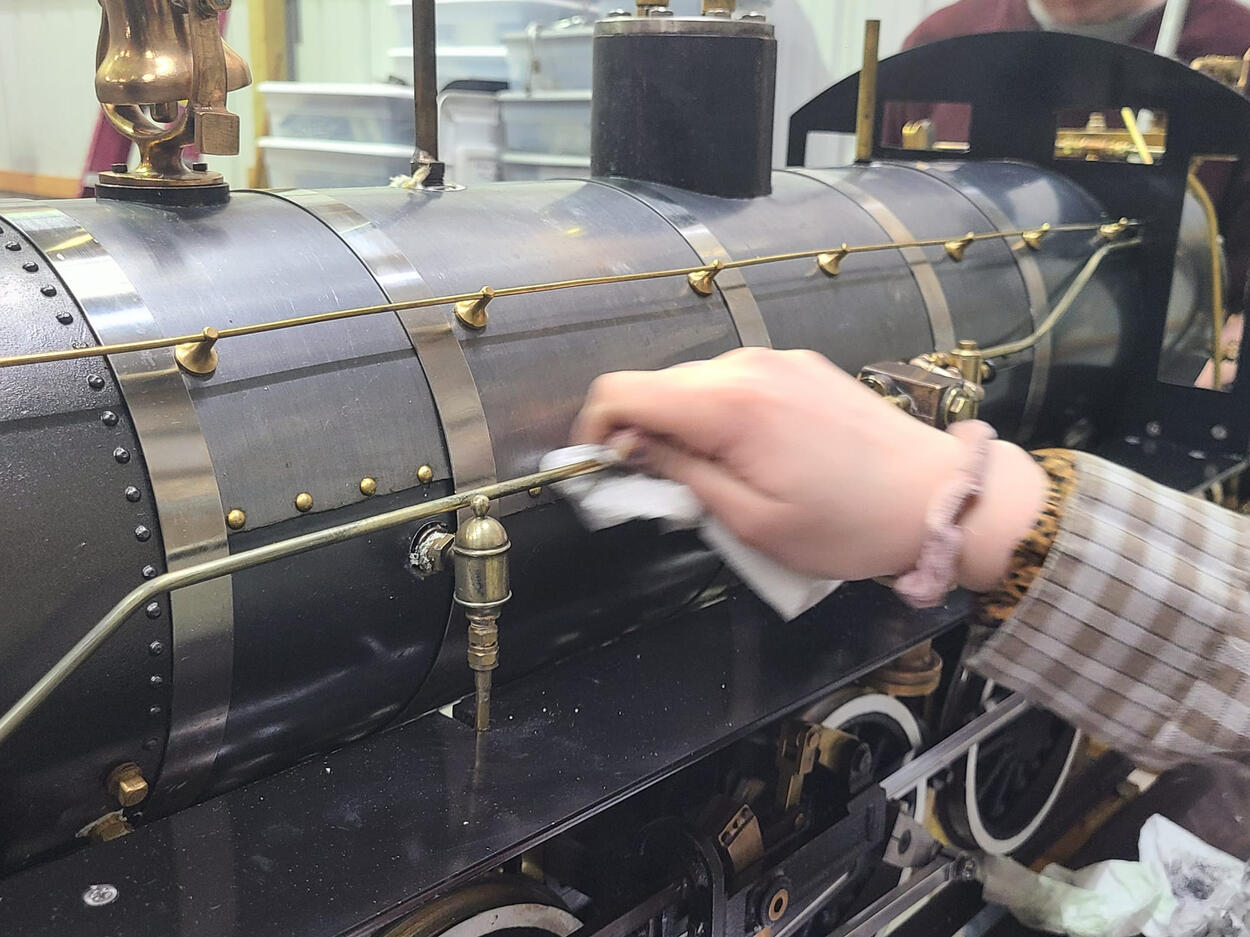
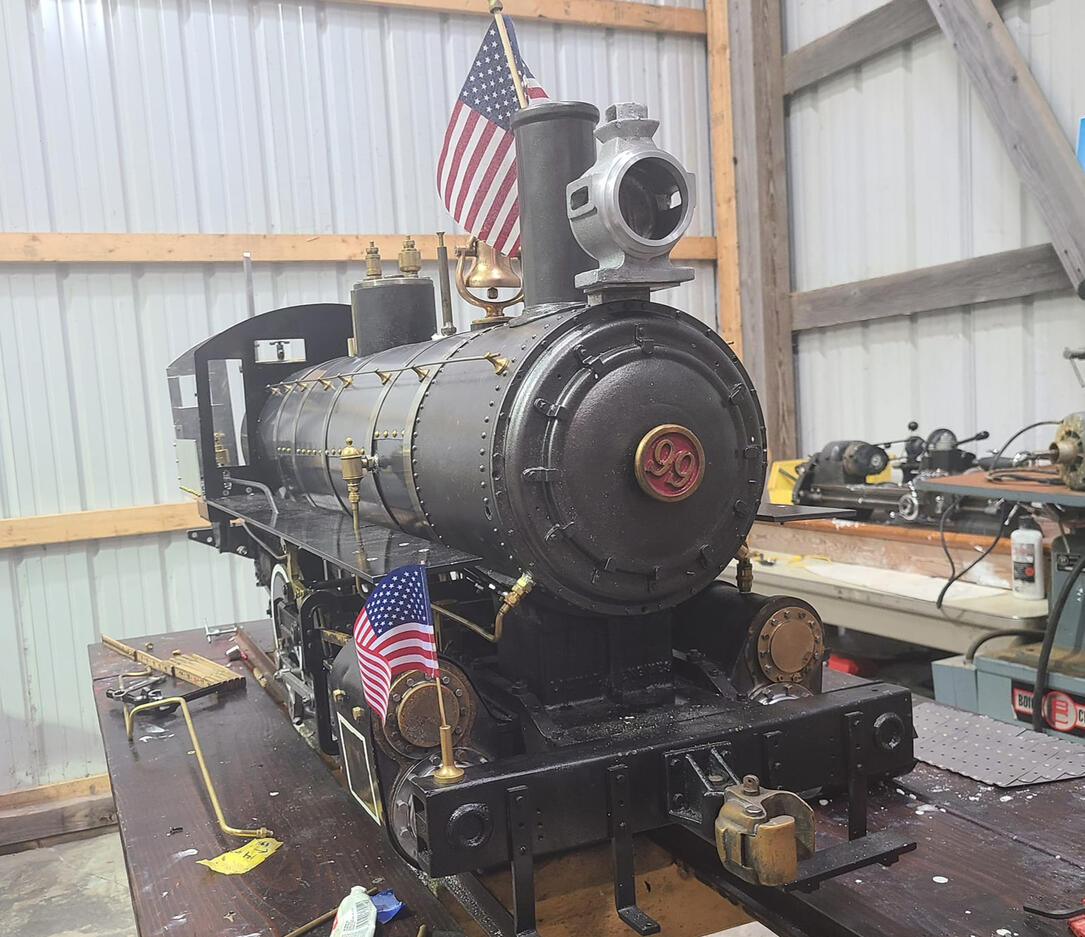
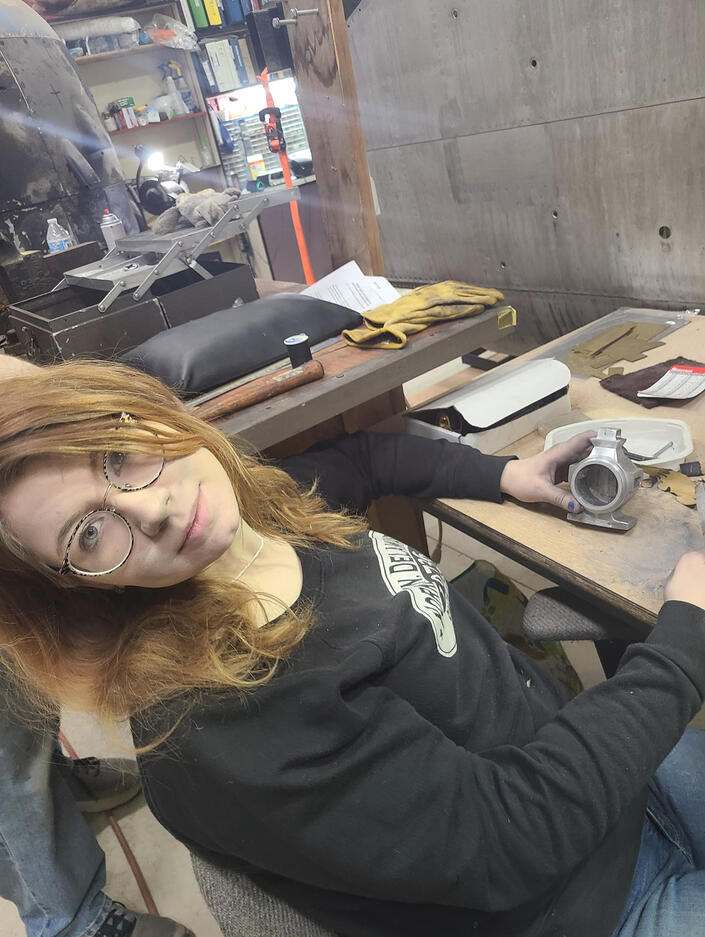
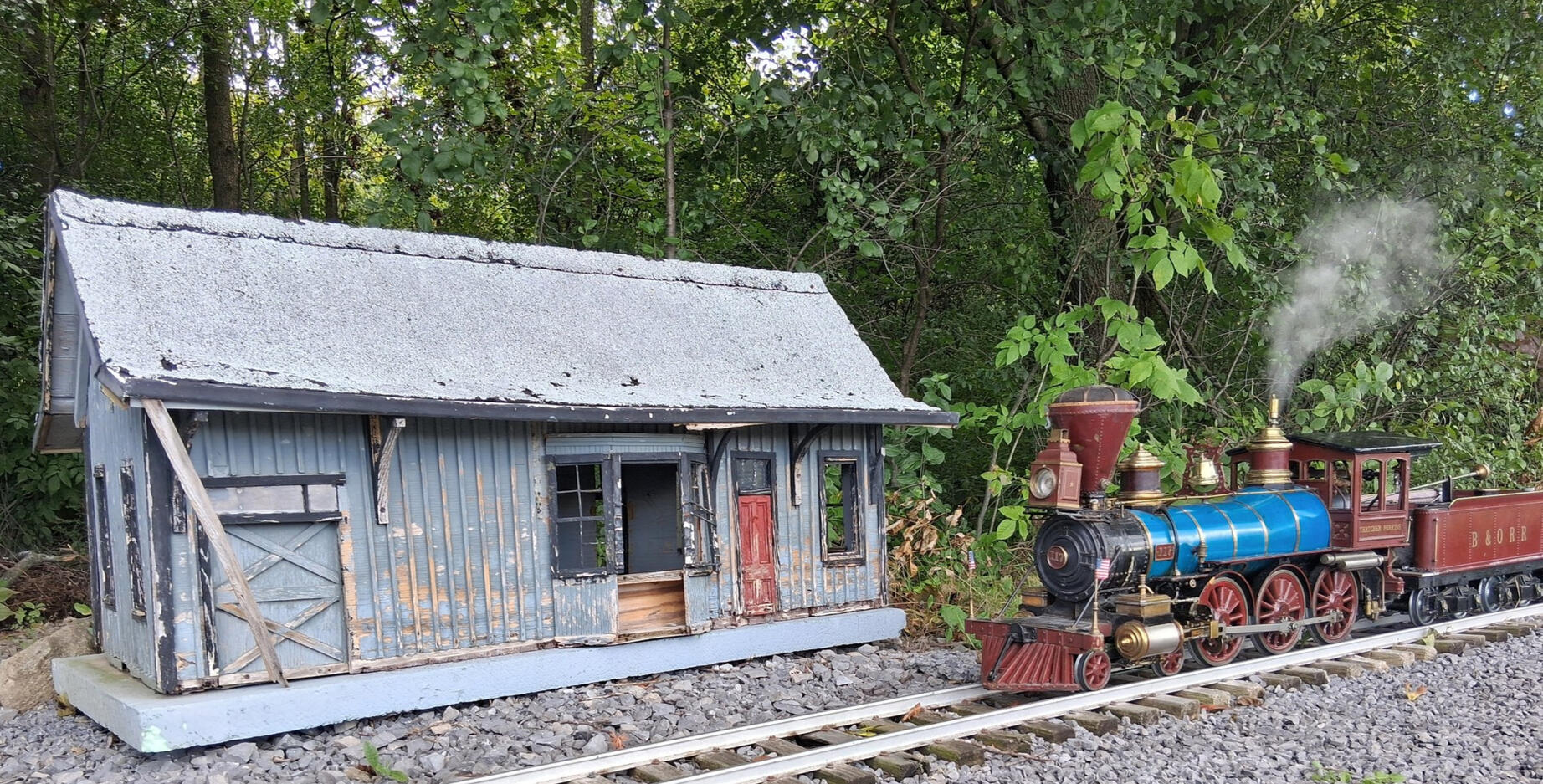
This was always the plan.We are a group of history buffs and gear heads just north of Corning, NY. We restore and maintain a wide variety of historical machines. Currently, we are restoring vintage WW2 (and newer) era aircraft. Some of our projects include classic cars, small scale live steam engines, and now a full sized steam locomotive! All of these are part of a privately owned collection by Kevin and Kurtis Hooey. The family interest in “cool old things” goes back to the 1990s, when an old horse farm was converted to an airplane hangar with grass airstrip. This quickly became part automotive shop, and (as of very recently) a locomotive engine house!Some of our other ongoing projects include:-B-25 Mitchell Bomber “Old Ironsides III” (Currently worked on at the local EAA Chapter 533 hangar, and by Tom Reilly in Douglass GA)-1967 Camaro Convertible-1972 Volkswagen Beetle-1931 Ford Model A CoupeSeveral finished projects include:- PT-19 trainer aircraft-Little Engines 0-6-0 1.5 scaleOver the years we have built a strong crew of skilled hands in our workshop. Without them, we would not have gotten as far as we have today! We hope you follow along on our journey to restore this wonderful piece of industrial history.
Text
Frequently Asked Questions
What is the biggest upcoming challenge?
The left side cylinder and saddle casting has had an “on the field” repair done to it from a past derailment. We are unsure if this will need to be addressed or if it is good enough to be left alone. It is possible that this will be a can of worms with a lot of unknowns. The boiler has had a lot of questionable repairs done to it as well that may need to be addressed. More information will come the deeper we dig into it.
What safety standards must be met?
In order for the locomotive to travel outside of private property and pull passengers, it will need to meet FRA (Federal Railroad Administration) requirements. Key components include inspection of the boiler, brakes, and general safety items like handrails,safety valves, headlight, etc. There is much more involved, but it would easily fill up a few pages even summarized.
Why are you giving it an older appearance?
In our opinion, too many people do up their engines into a late-era configuration. We would like to be unique and try to do something as close to “as built” as possible, with several cosmetic changes to separate it from the other locomotives out there.
How long until it is finished?
We have no idea, we would love to see a 10 year total timetable from start to finish, however manpower, finances and outside life duties will always be an unpredictable factor to consider.
What fuel will it be fired on?
It will be coal fired.
Why call it "project vulcan 39" and not its actual name?
Since the locomotive worked under so many different companies, we wanted to be able include them all, rather than choosing a specific road and excluding others. vulcan is the locomotive builder, so the name sort of works as a blanket statement for the engines entire history.
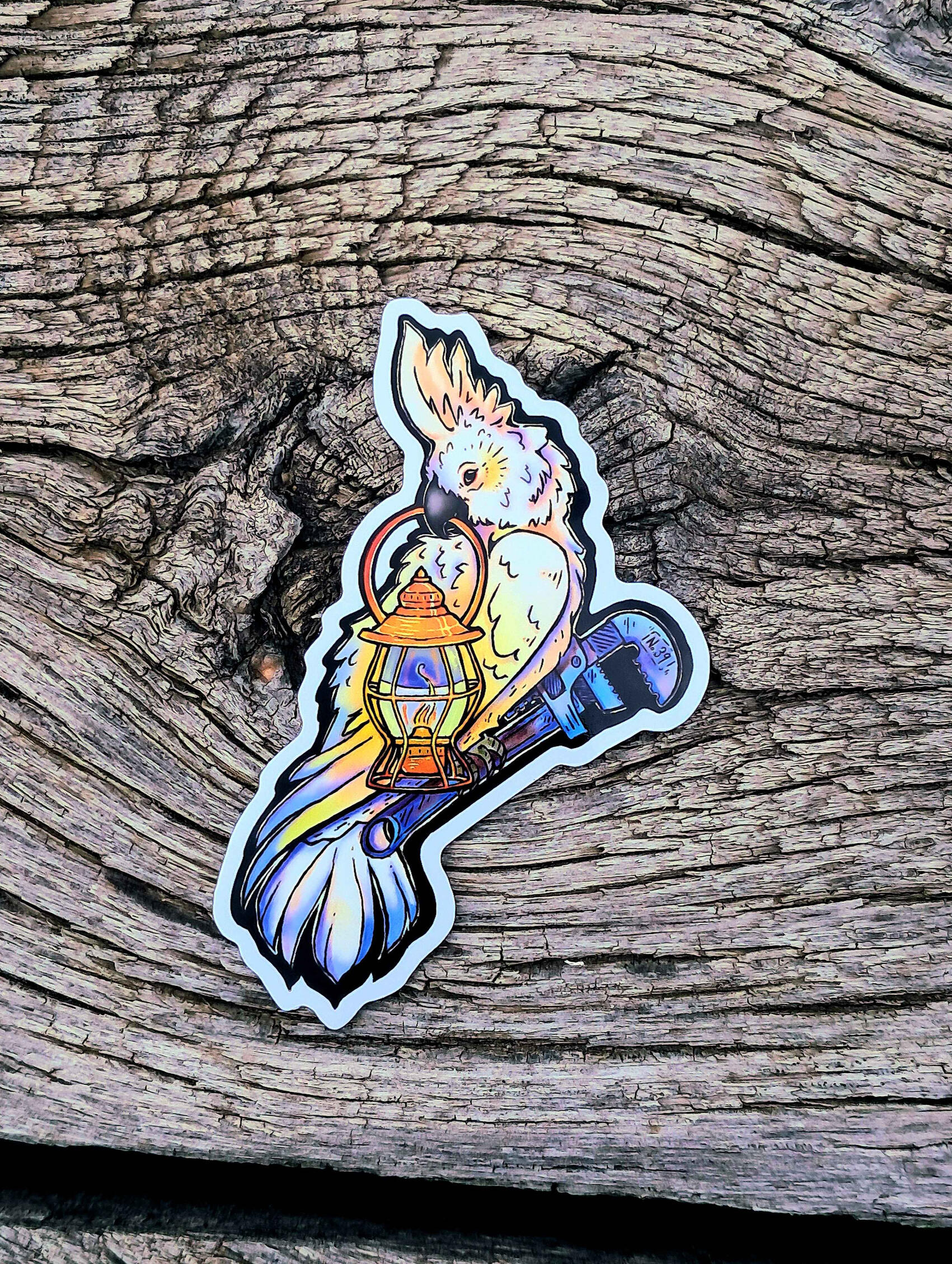
Shop Manager Waterproof Sticker (color)
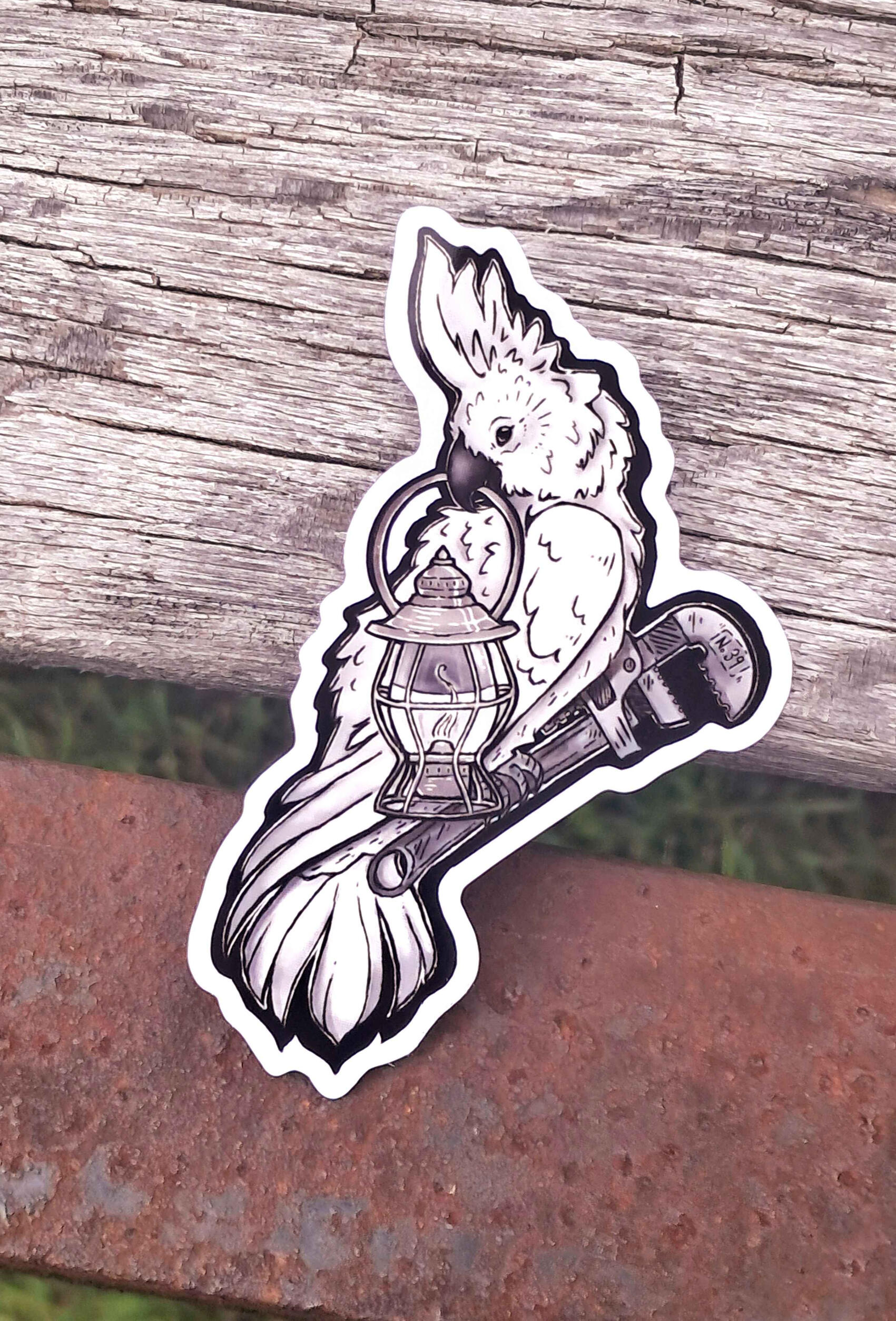
Shop Manager Waterproof Sticker (Black and White)
FallBrook Restorations Waterproof Sticker
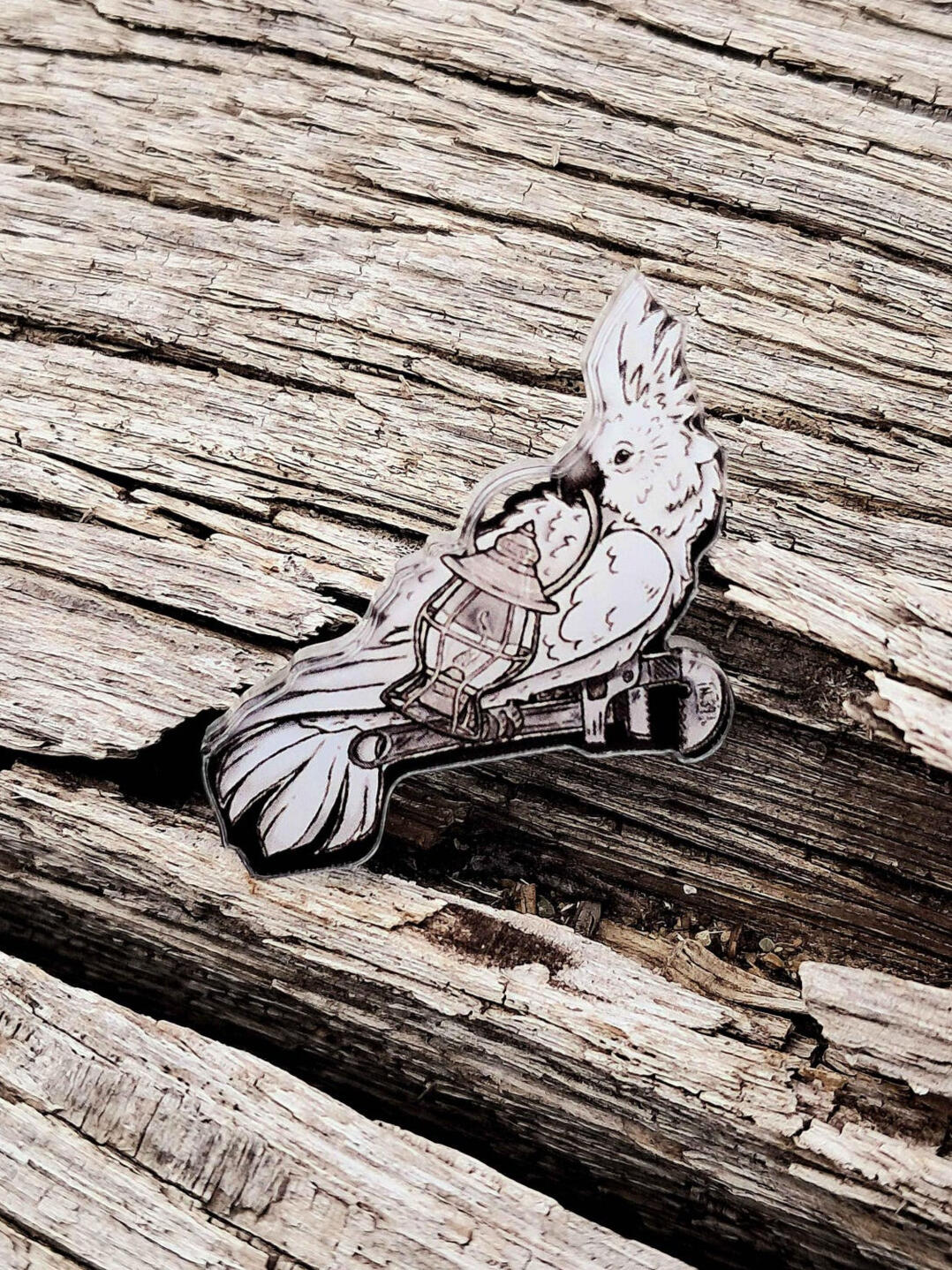
Shop Manager Full Bleed Acrylic Pin
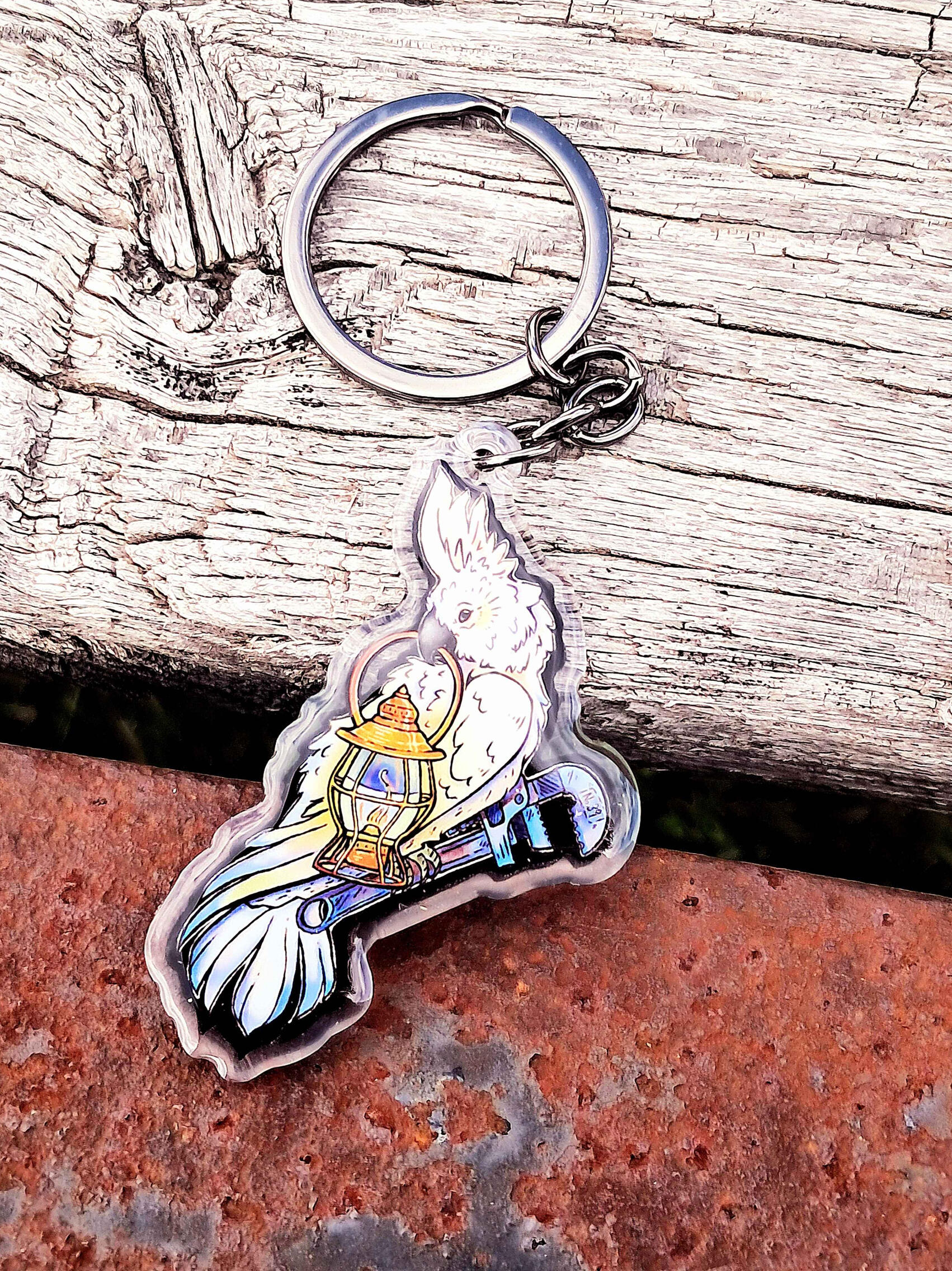
Double Sided Acrylic Keychain
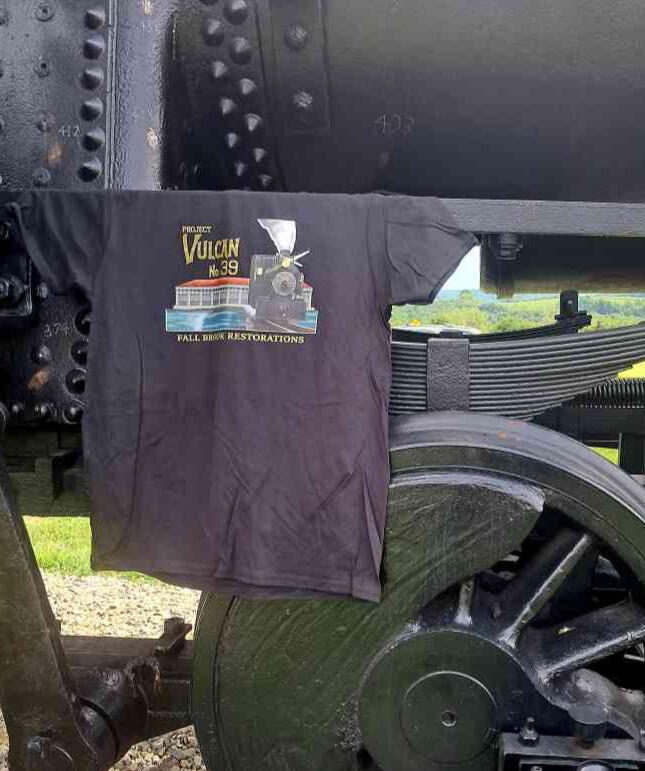
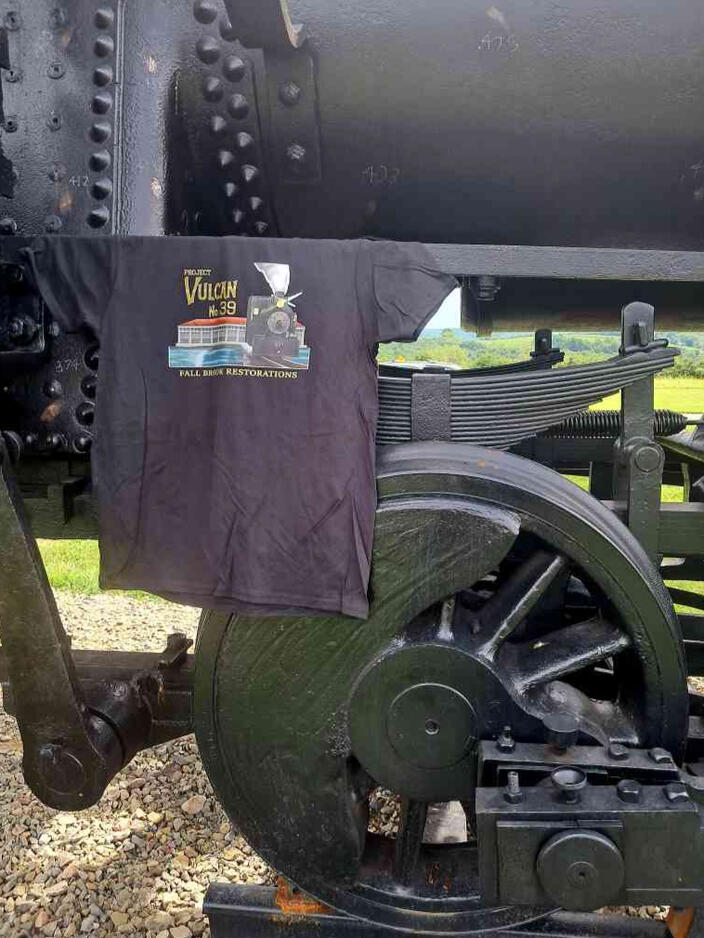
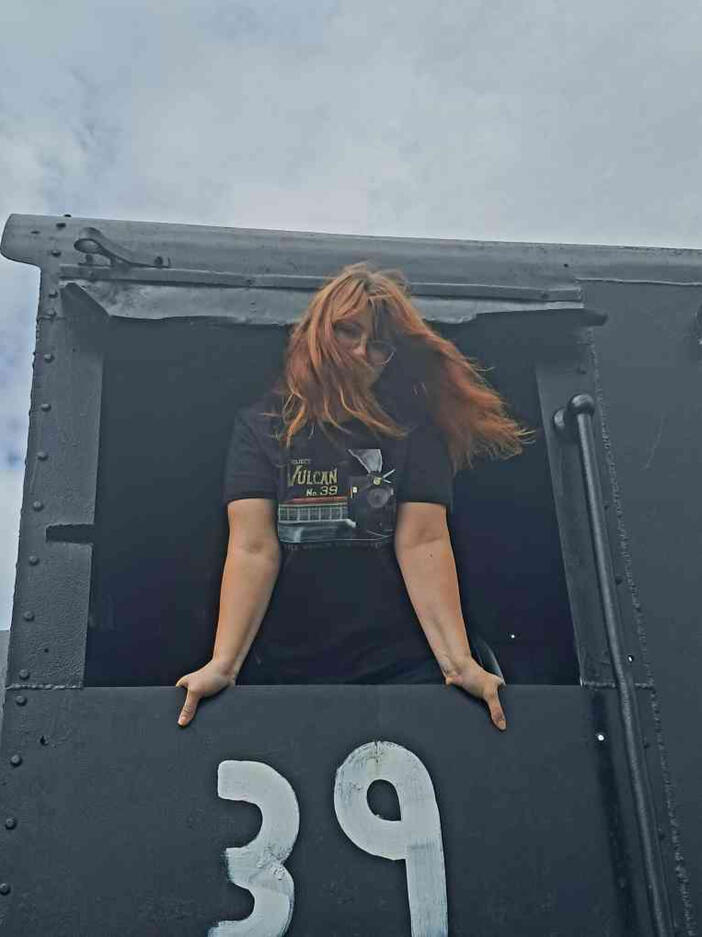
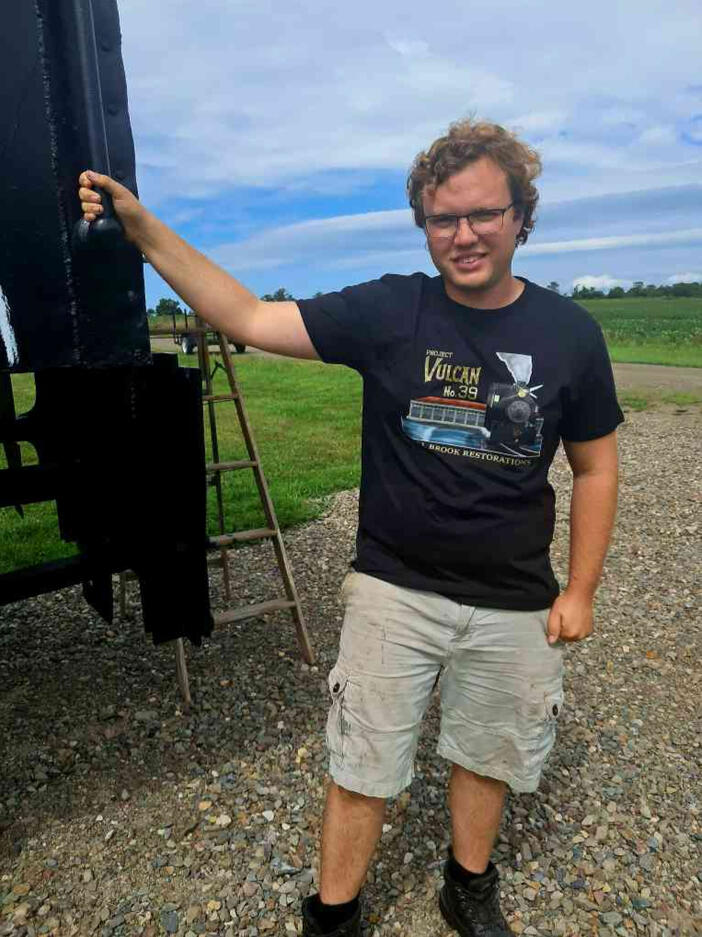
Vulcan 39 printed Tee

Your support will allow us to tackle bigger hurdles in our endeavor. Every dollar you donate directly funds the revival of this machine, which is a very expensive process. We are continually grateful for your support! Together, we can reanimate this historical treasure.

Gofundme

Patreon